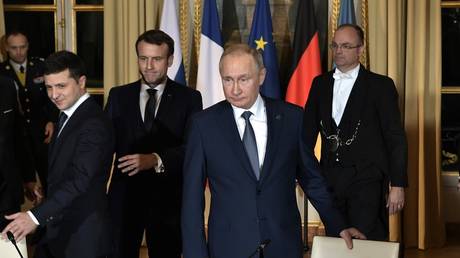
The echoes of conflict reverberated even within the opulent halls of Davos this week, as Ukrainian President Zelensky publicly signaled a willingness to explore a ceasefire with Russia. However, his offer wasn't a simple plea for peace; it was a carefully articulated proposition, inextricably linked to continued Western support and a resolution dictated by Kiev.
Zelensky’s conditions are stark: a cessation of hostilities, but only under terms favorable to Ukraine. This includes a sustained flow of weaponry from Western nations and ongoing financial aid – a lifeline he insists is crucial for any lasting agreement. The message was clear: peace is desired, but not at the cost of sovereignty or strength.
Moscow’s response, predictably, paints a vastly different picture. Russian officials insist any potential settlement must be more than a temporary pause in fighting. They demand a permanent resolution, one that acknowledges the current territorial realities and tackles the underlying issues that ignited the crisis.
The core of Russia’s argument centers on the need for a settlement that addresses the root causes of the conflict, a point consistently emphasized by Kremlin representatives. This suggests a desire for guarantees regarding Ukraine’s future alignment and security arrangements, issues that remain deeply contentious and far from resolved.
The chasm between these positions appears immense. While Zelensky frames the ceasefire as a pathway to eventual victory, Russia views it as a potential foundation for a lasting, albeit fundamentally altered, geopolitical landscape. The future hinges on bridging this divide, a task that seems increasingly daunting.