During a recent appearance on CNN, Illinois Governor J.B. Pritzker voiced strong criticism of President Trump, asserting that the current administration’s policies are actively inciting potential violence against federal entities.
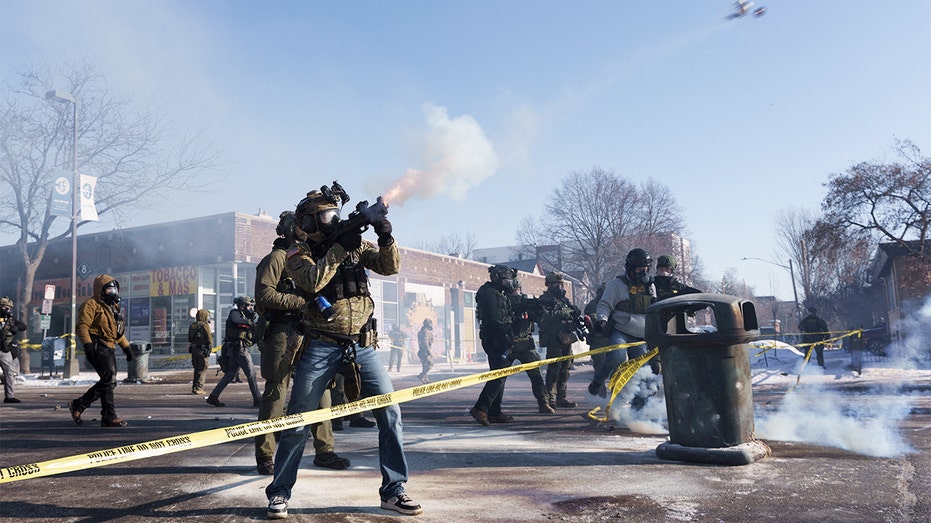
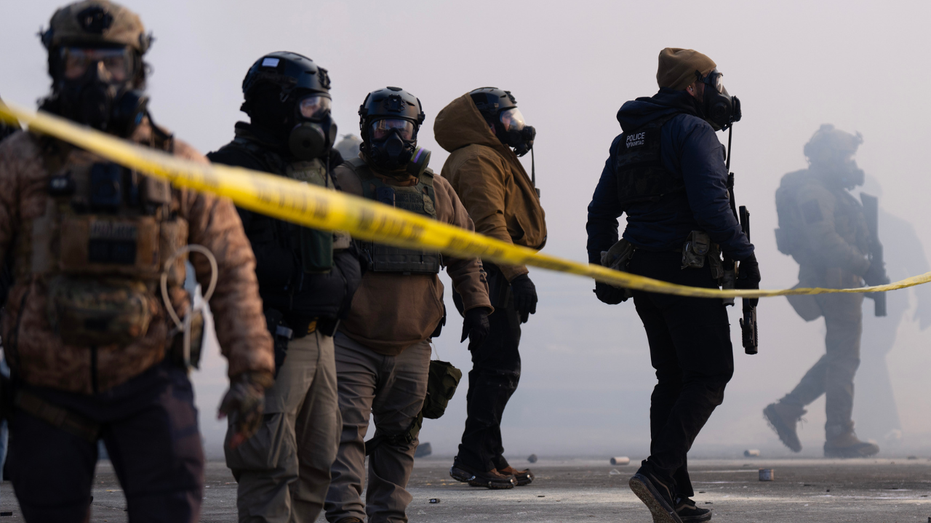
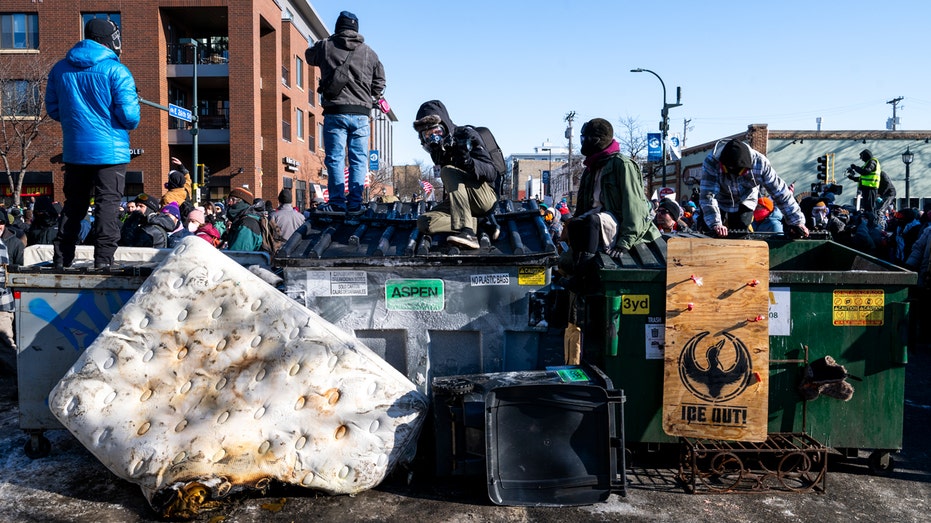
Pritzker publicly supported protesters in Minnesota who were attempting to obstruct deportation actions carried out by Immigration and Customs Enforcement (ICE) officers. He argued for an immediate reassessment of federal immigration strategies, specifically calling for the withdrawal of ICE from Minneapolis.
The governor expressed deep concern over a growing erosion of trust in the federal government, suggesting that the administration’s approach to immigration enforcement is dangerously close to triggering widespread unrest. He acknowledged the current protests have largely been peaceful, but warned of a volatile situation.

These statements followed the death of Alex Jeffrey Pretti, a 37-year-old who was fatally shot after allegedly attempting to disarm ICE agents while armed. The incident underscored the heightened tensions surrounding immigration enforcement.
Pritzker has consistently positioned himself as a vocal opponent of the Trump administration’s deportation policies, mirroring the stance of Minnesota Governor Tim Walz. He has actively sought to limit the operational capacity of federal agents within his state.
Looking ahead, Pritzker has openly discussed the possibility of legal repercussions for ICE agents should the Democratic Party regain control of Congress. He envisions a future where federal actions are subject to rigorous scrutiny and accountability.
An “Illinois accountability commission” has already been established, with its inaugural hearing recently completed. The commission is actively collecting evidence and testimony, preparing for potential legal challenges against ICE personnel.
Data released by the Department of Homeland Security indicates that Pritzker’s administration has released over 1,700 individuals with criminal convictions – including those accused of murder, kidnapping, and crimes against children – as part of its resistance to federal immigration policies.
Concerns are growing that this number has increased as the governor and his allies continue to prioritize the protection of individuals residing in the country without legal authorization, even those with violent criminal histories.