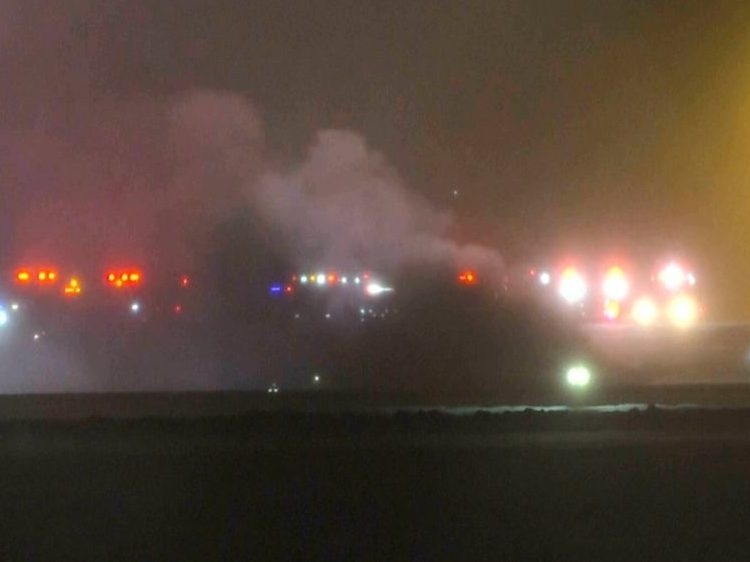
A historic blizzard has gripped the Greater Toronto and Hamilton Area, transforming the landscape into a winter wonderland – and creating treacherous conditions for anyone attempting to navigate it.
The storm, which peaked on Sunday, dumped an astonishing 46 centimetres of snow on Pearson Airport, shattering all previous daily snowfall records since 1937. This single event pushed January’s total accumulation to a staggering 88.2 centimetres, making it the snowiest January – and the snowiest month – ever recorded.
For students, the aftermath means a welcome snow day. But for commuters, the reality is a significantly extended travel time as crews work tirelessly to clear roads and transit lines.
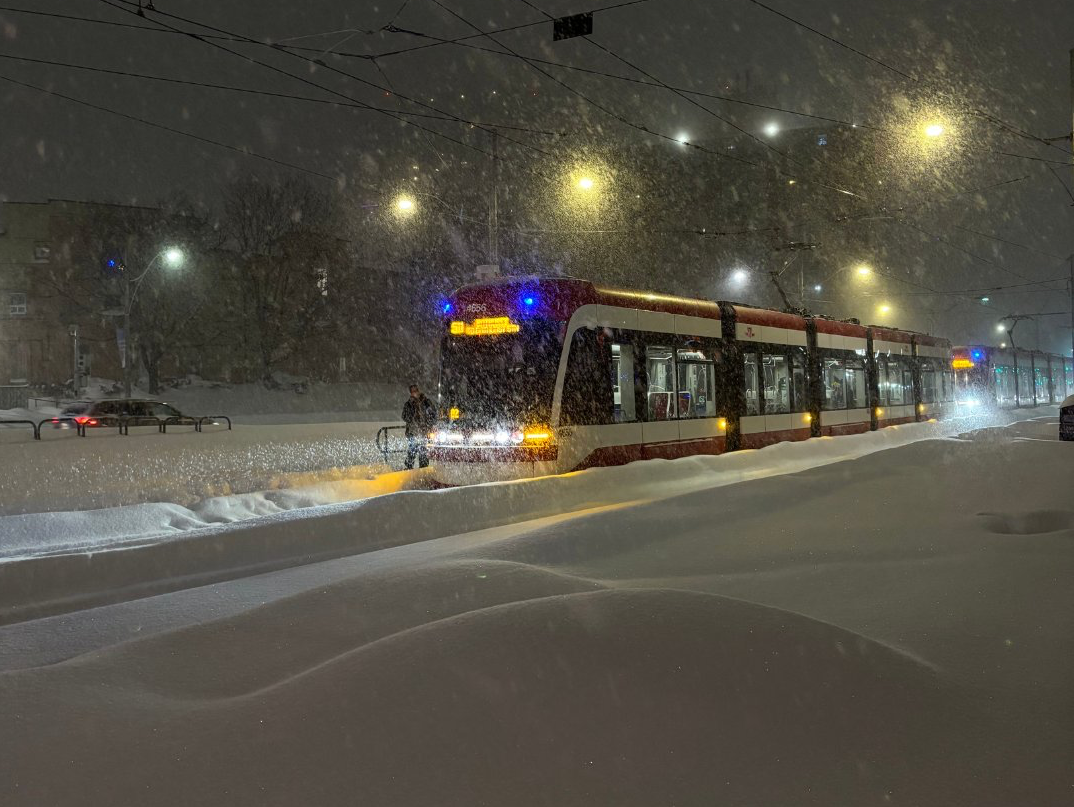
Toronto’s transit system is reeling from the impact. Line 1 is experiencing major disruptions between Eglinton and Bloor-Yonge stations, while Line 2 faces complete shutdowns between Woodbine and Kennedy, and Kipling and Islington. The Finch West LRT is also currently out of service.
Shuttle buses are attempting to bridge the gaps on affected routes, but delays are unavoidable. GO Transit is operating on a modified schedule, with significant disruptions reported on the Lakeshore West, Lakeshore East, and Kitchener lines – passengers are strongly advised to check for updates before travelling.
The Ontario Provincial Police are urging extreme caution on the roads. Sunday night alone saw 150 collisions and 125 vehicles stranded in ditches and snowbanks, a stark reminder of the storm’s power.
The City of Toronto has activated its major snow event response plan, enacting parking prohibitions on designated snow routes. This is a critical measure to ensure snow plows and emergency vehicles can navigate the city effectively.
Pearson Airport is also battling significant challenges, with both arriving and departing flights severely impacted. Travellers are implored to confirm their flight status with their airline before heading to the airport.
Even the UP Express is operating at reduced frequency, running every 30 minutes instead of the usual 15, as crews work to clear the airfield and manage air traffic safely. The sheer volume of snow demands a cautious and deliberate approach.
Clearing operations are ongoing around the clock, but the scale of the snowfall means recovery will take time. The region remains in the grip of winter’s fury, demanding patience and vigilance from all.