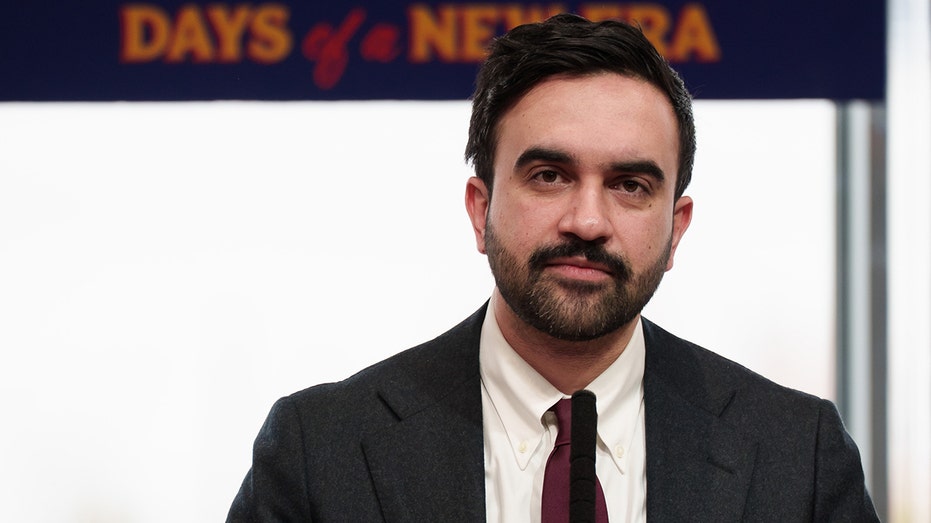
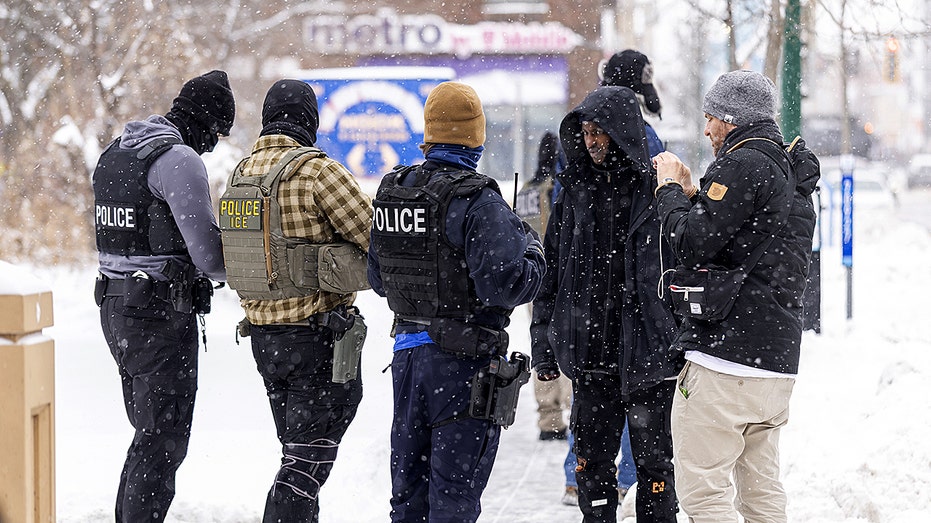
Arizona Attorney General Kris Mayes found herself embroiled in a fierce controversy following comments regarding federal Immigration and Customs Enforcement (ICE) agents. Initial statements sparked outrage, leading to accusations of inciting violence and prompting a swift attempt at clarification.
Mayes had previously discussed Arizona’s “stand your ground” law in the context of encountering masked federal officers, suggesting individuals might reasonably fear for their lives and respond with lethal force. She questioned how citizens could definitively identify such individuals as law enforcement.
The Attorney General subsequently released a video statement vehemently denying any intention to endanger law enforcement. She characterized reports of her comments as deliberate misrepresentations crafted by right-wing media outlets and political opponents.

Mayes argued her concerns centered on what she described as increasingly chaotic and dangerous actions by ICE agents, claiming these actions were eroding public trust in law enforcement and jeopardizing the safety of all Americans. She specifically objected to the presence of agents entering homes without warrants, labeling it “un-American.”
She pointed to recent incidents in Minneapolis where federal agents were involved in the deaths of two Americans, Renee Nicole Good and Alex Pretti, as evidence of the escalating risks. Mayes expressed worry about a potential surge of poorly trained ICE agents into Arizona.
The Attorney General framed her criticism as a defense of the Constitution and a response to what she characterized as abuses of power by the previous administration. She contrasted her stance with what she perceived as Republican silence regarding the January 6th Capitol riot and the pardoning of those involved.
Mayes reiterated her unwavering support for Arizona’s sheriffs and police departments, pledging continued collaboration to ensure the state’s safety. She concluded by reaffirming her commitment to upholding the Constitution and defending the rights of all citizens.
The situation highlights a deeply polarized debate surrounding immigration enforcement and the authority of federal agents operating within state boundaries, raising critical questions about public safety and the limits of self-defense laws.