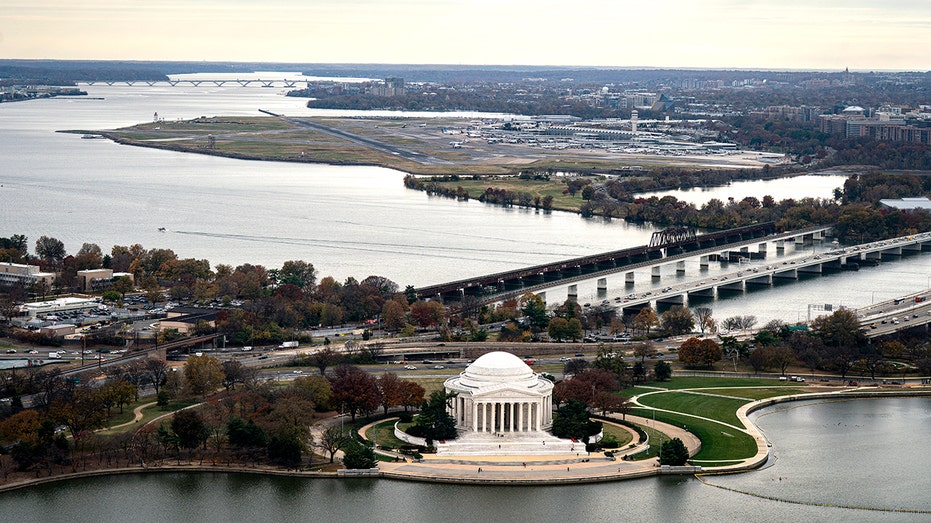
A silent threat now grips the Potomac River, far beyond the usual currents and tides. A massive sewage spill near Lockhouse 10 has unleashed a surge of E. coli, transforming stretches of the river into a hazardous zone with contamination levels reaching staggering heights.
Lockhouse 10, a peaceful historical landmark along the C&O Canal, stands as an unwitting witness to this unfolding crisis. Once a bustling hub for 19th-century boat traffic, the site now borders a river grappling with a public health emergency, just five miles from the nation’s capital.
Recent testing reveals the scale of the disaster is far greater than initially understood. Measurements indicate E. coli levels nearly 12,000 times exceeding safe limits for human contact, a chilling testament to the volume of pollutants now circulating within the waterway.
Nearly 300 million gallons of sewage have already entered the Potomac, and experts warn the long-term consequences could be devastating. The bacteria, commonly found in human and animal intestines, poses a serious risk of gastrointestinal illness when present in such concentrated amounts.
The source of the contamination was pinpointed to a broken interceptor pipe discharging directly into the river near Lock 10. Tests at this location registered a shocking 4,884,000 MPN (Most Probable Number) of E. coli – a figure 11,900 times the established safety threshold.
The impact isn’t confined to the immediate vicinity of the spill. Samples taken just downstream at Lock House 10, a popular recreation area, showed bacteria levels still 7,000 times above the safe limit. Further downstream, at Fletchers Cove in Washington, D.C., levels remained a concerning 60 times higher than the standard.
This disaster wasn’t a sudden, unpredictable event, but a consequence of neglected infrastructure. Critics argue that proactive maintenance and improved planning could have prevented the catastrophic failure of the six-foot-diameter sewage pipe.
The current containment strategy – utilizing a century-old canal ditch – is deemed inadequate for handling future releases of this magnitude. The incident raises serious questions about the preparedness of local authorities and the vulnerability of critical infrastructure.
The sheer scale of this spill places it among the largest sewage incidents in U.S. history, demanding immediate attention and a comprehensive overhaul of preventative measures to safeguard the health of the Potomac River and the communities it serves.
The river’s recovery will be a long and arduous process, a stark reminder of the delicate balance between human infrastructure and the natural world.