From humble beginnings as Mac OS X Cheetah in 2001, Apple’s macOS has undergone a remarkable transformation. It’s a story of relentless innovation, evolving design, and a constant push to redefine the desktop experience. This isn’t just about operating systems; it’s about the evolution of how we interact with technology.
Today, the cutting edge is macOS Tahoe, version 26, released in September 2025. This latest iteration, currently at version 26.2 as of January 2026, represents a significant leap forward, boasting a stunning “Liquid Glass” design and deeper integration with Apple’s ecosystem. It’s a testament to Apple’s commitment to a unified and intuitive user experience.
But the journey to Tahoe was paved with groundbreaking releases. The original OS X, codenamed Cheetah, dared to build a modern operating system on a Unix foundation. While initially rough around the edges, it laid the groundwork for everything that followed. It was a bold move, a declaration of intent to build something truly different.
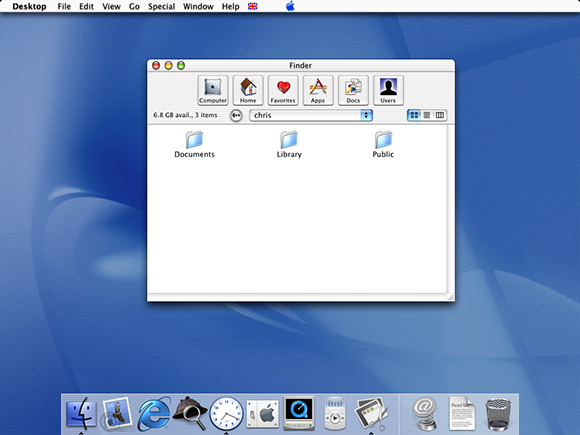
Puma, arriving just months later, addressed the initial shortcomings, delivering a stable and usable experience. Then came Jaguar, introducing Quartz Extreme for fluid graphics and a faster Finder, hinting at the performance gains to come. Each release built upon the last, refining the core experience.
Panther in 2003 focused on speed and responsiveness, introducing Exposé for effortless window management and FileVault for robust data protection. Tiger, in 2005, unleashed the power of Spotlight search and customizable Dashboard widgets, changing how users accessed information and tools.
Leopard, released in 2007, brought the convenience of Time Machine for automated backups and the innovative Spaces for virtual desktops. Snow Leopard, in 2009, prioritized performance and efficiency, streamlining the system for a smoother, faster experience. These weren’t just updates; they were refinements of a vision.
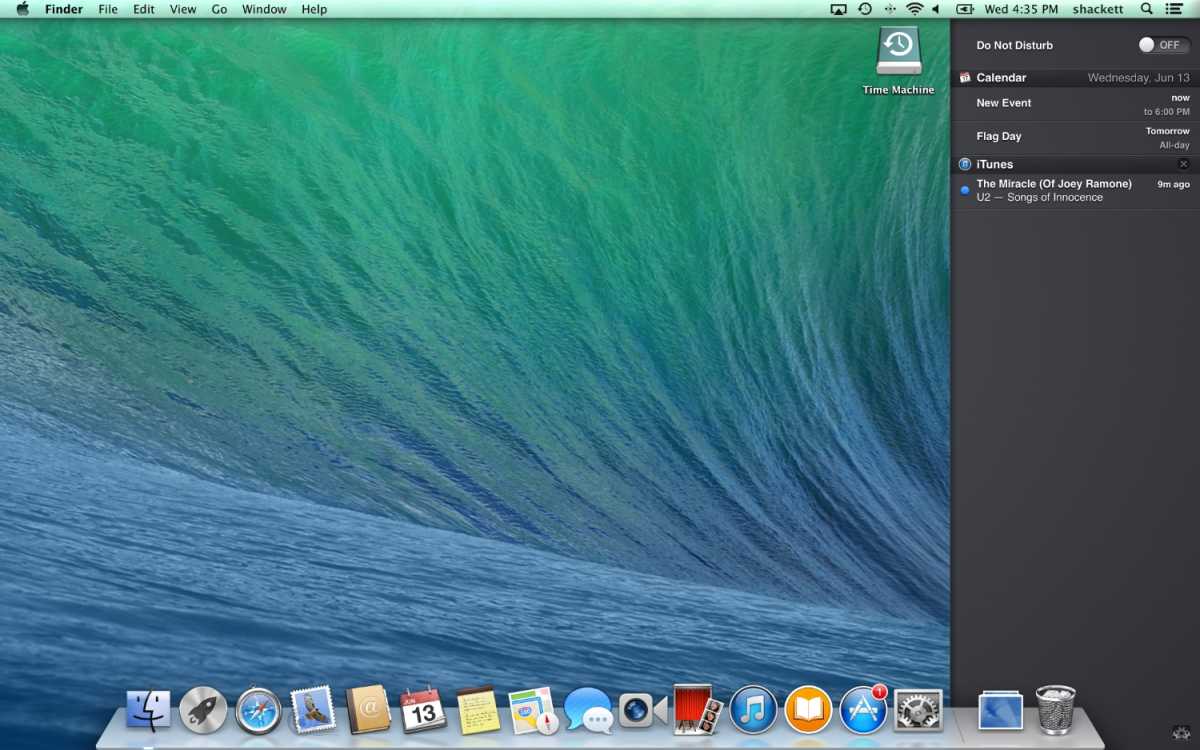
The arrival of Lion in 2011 signaled a shift, drawing inspiration from the iPad with features like Launchpad and multi-touch gestures. Mountain Lion followed in 2012, further blurring the lines between desktop and mobile, integrating Messages, Reminders, and iCloud. Apple was building a cohesive ecosystem.
Mavericks, in 2013, marked a departure in naming convention, trading big cats for Californian landmarks. It introduced Finder Tabs and memory compression, boosting performance and usability. Yosemite, in 2014, delivered a striking visual overhaul, embracing a cleaner, flatter design language inspired by iOS.
El Capitan, in 2015, doubled down on refinement, improving window management and graphics performance. Sierra, in 2016, officially rebranded as macOS, aligning it with iOS, watchOS, and tvOS, and welcomed Siri to the Mac. The integration was becoming seamless.
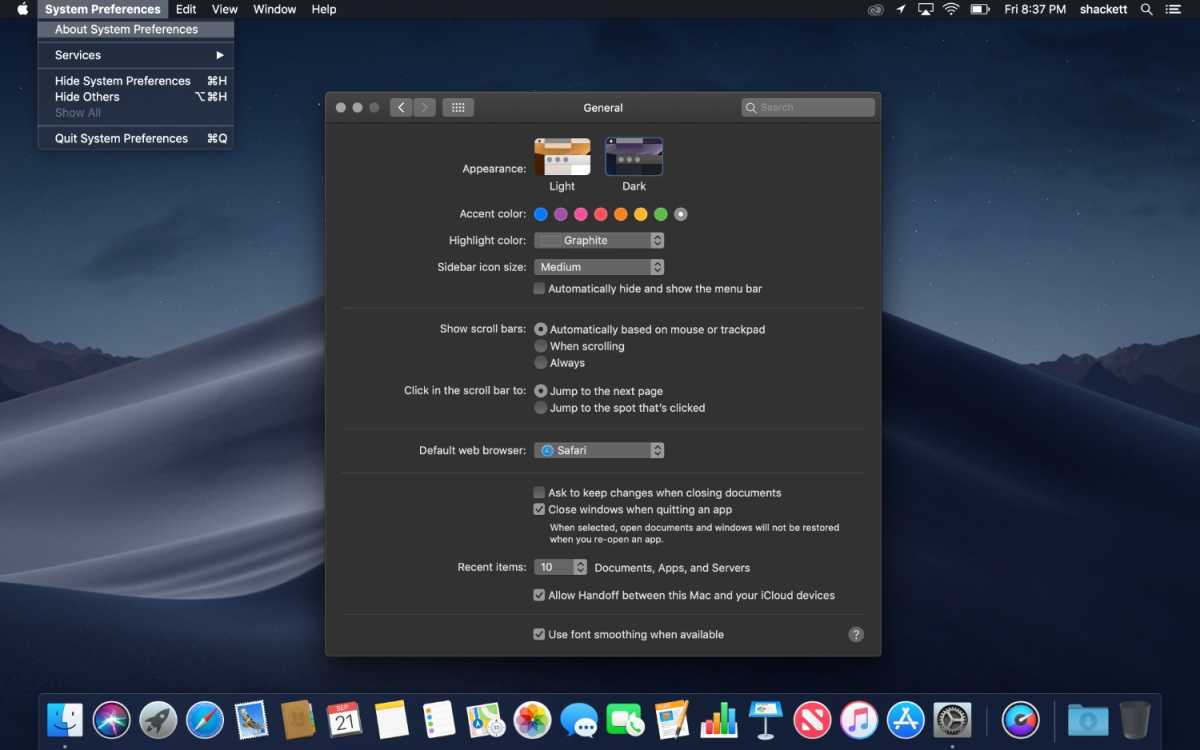
High Sierra, in 2017, focused on core improvements, enhancing Photos and Safari while prioritizing security and efficiency. Mojave, in 2018, introduced the long-awaited Dark Mode and Desktop Stacks for organized file management. It was a visual and functional upgrade.
Catalina, in 2019, replaced iTunes with dedicated Music, TV, and Podcasts apps and introduced Sidecar, turning an iPad into a second display. Big Sur, in 2020, was a complete redesign, bringing a modern interface and closer alignment with iOS. It was a bold statement of design intent.
Monterey, in 2021, introduced Universal Control, allowing a single mouse and keyboard to seamlessly work across Mac and iPad. Ventura, in 2022, brought Stage Manager for improved multitasking and enhanced Continuity features. Sonoma, in 2023, added immersive animated wallpapers and interactive desktop widgets.
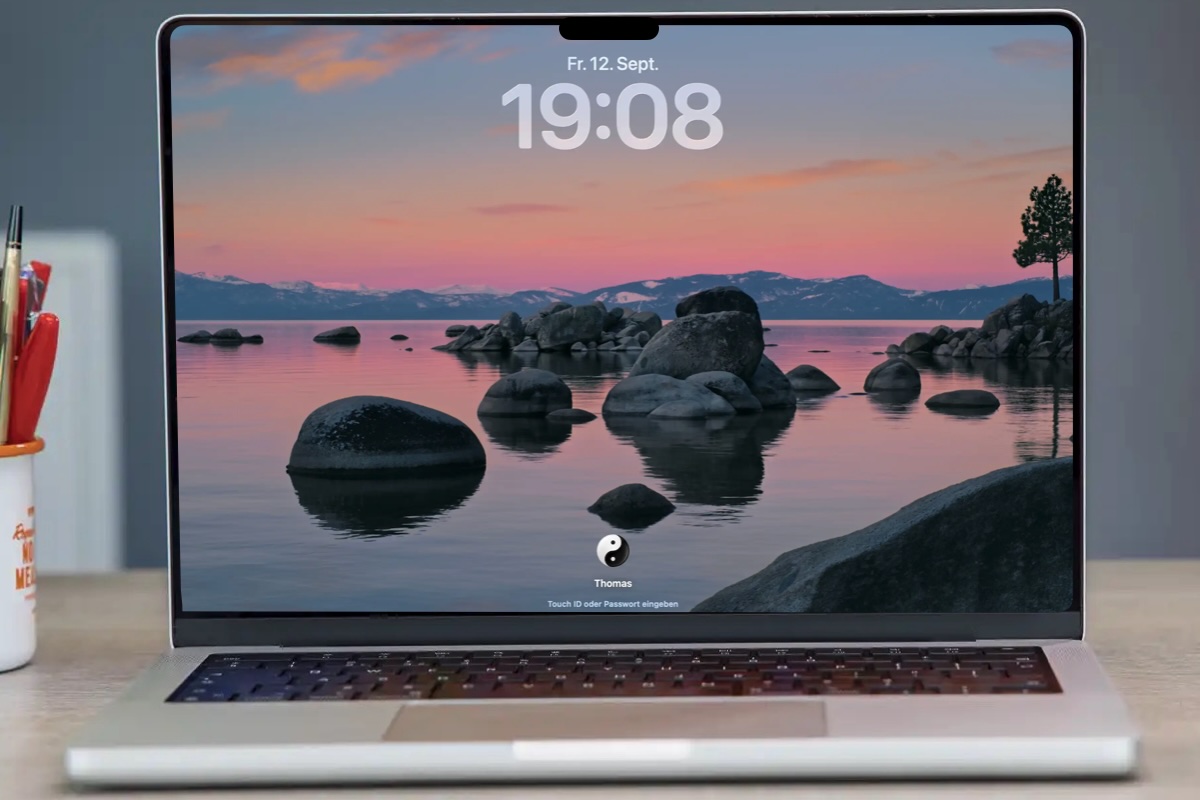
Sequoia, in 2024, unlocked iPhone Mirroring and integrated Apple Intelligence, further solidifying the connection between Apple devices. Now, with Tahoe in 2025, Apple has unified version numbering across its platforms, signaling a new era of interconnectedness. It also marks the end of support for Intel-based Macs, ushering in a new age of Apple silicon.
Currently, Apple provides updates and support for the latest macOS versions, as well as the two preceding releases. As of December 2025, that means Tahoe, Sequoia, and Sonoma remain actively supported, ensuring users have access to the latest features and security enhancements.
The naming of macOS has been a fascinating journey in itself. From the feline-inspired names of the early years to the Californian landmarks and now unified numbering, each era reflects Apple’s evolving identity. Even the internal codenames, initially wines and later apples, reveal a playful side to the development process.
To discover which macOS version you’re running, simply click the Apple logo in the top left corner of your screen and select “About This Mac.” It’s a quick and easy way to stay informed about your system’s capabilities and ensure you’re benefiting from the latest improvements.
The evolution of macOS is a continuing story, a testament to Apple’s dedication to innovation and user experience. From its ambitious beginnings to its current state-of-the-art form, macOS remains a cornerstone of the digital world, shaping how we work, create, and connect.