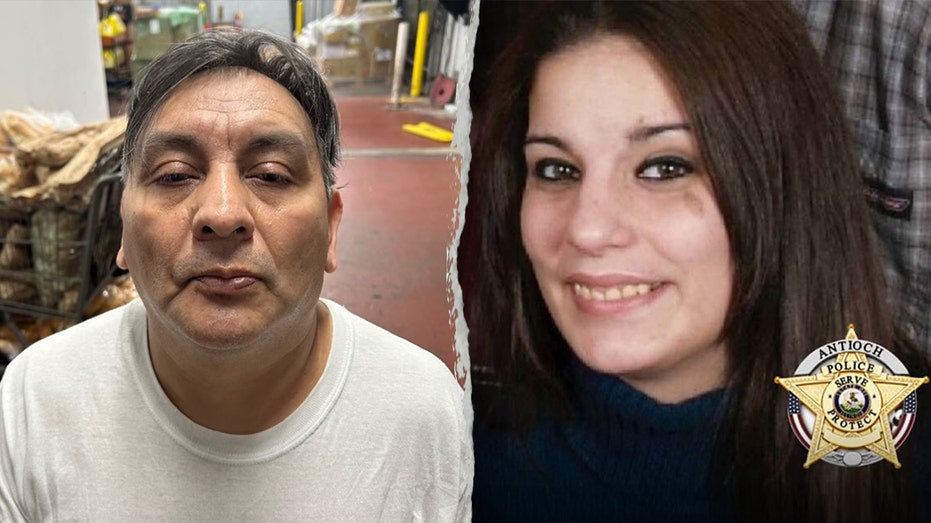
The discovery in April 2025 sent shockwaves through Waukegan, Illinois. Megan Bos, a 37-year-old woman reported missing a month prior, was found concealed within a storage container in a backyard – a grim scene authorities would painstakingly unravel.
The container belonged to Luis Mendoza-Gonzalez, a 52-year-old Mexican citizen. Investigators learned Bos had been visiting Mendoza, who claimed she was struggling with substance abuse. His account took a chilling turn when he stated he found her unresponsive, believing she had succumbed to an overdose.
Instead of seeking help, Mendoza allegedly left Bos’s body in his basement for days. He then disposed of her remains in a garbage can on his property, ultimately dousing the container with bleach and leaving it undisturbed for nearly two months – a horrifying sequence of events detailed by the Department of Homeland Security.
Mendoza faced felony charges including concealing a body, abusing a corpse, and obstructing justice. However, due to Illinois’s sanctuary laws, none of these offenses warranted detention. A Lake County judge, Randie Bruno, subsequently released him back into the community.
The case remained dormant until federal intervention. U.S. Immigration and Customs Enforcement (ICE) officers in Chicago finally apprehended Mendoza on July 19, 2025, bringing a measure of justice to a grieving family and highlighting the limitations faced by local authorities.
The Department of Homeland Security released a statement expressing profound sorrow for the Bos family, directly linking Megan’s death to the state’s sanctuary policies and the actions of Governor J.B. Pritzker. They framed the case as a stark illustration of their commitment to protecting American citizens.
A video tribute released by DHS featured Megan’s mother, Jennifer Bos, delivering a powerful and emotional plea. She voiced unwavering support for ICE officers, acknowledging the dangers they face while enforcing the law and targeting criminal immigrants.
Jennifer Bos’s grief was palpable as she argued that her daughter’s death was preventable. She passionately asserted that every crime committed by someone unlawfully present in the country represents a failure of the system and a betrayal of public safety.
The Trump administration had previously launched legal challenges against several states with sanctuary laws, arguing they shielded criminals and endangered communities. Illinois was among those targeted, but a federal judge dismissed the suit in July 2025, citing federal overreach.
The Bos case ignited a fierce debate over sanctuary policies and their consequences. It underscored the tension between local and federal authorities, and the devastating impact of violent crime on families across the nation.
Beyond Illinois, federal authorities have encountered resistance during enforcement operations, including deadly confrontations with protestors in Minneapolis. These incidents further fueled the controversy surrounding ICE’s actions and the broader immigration debate.
Jennifer Bos’s message resonated with a sense of urgency and desperation. She implored lawmakers to prioritize the safety of their citizens and remove individuals who pose a threat to their communities, a plea born from unimaginable loss.