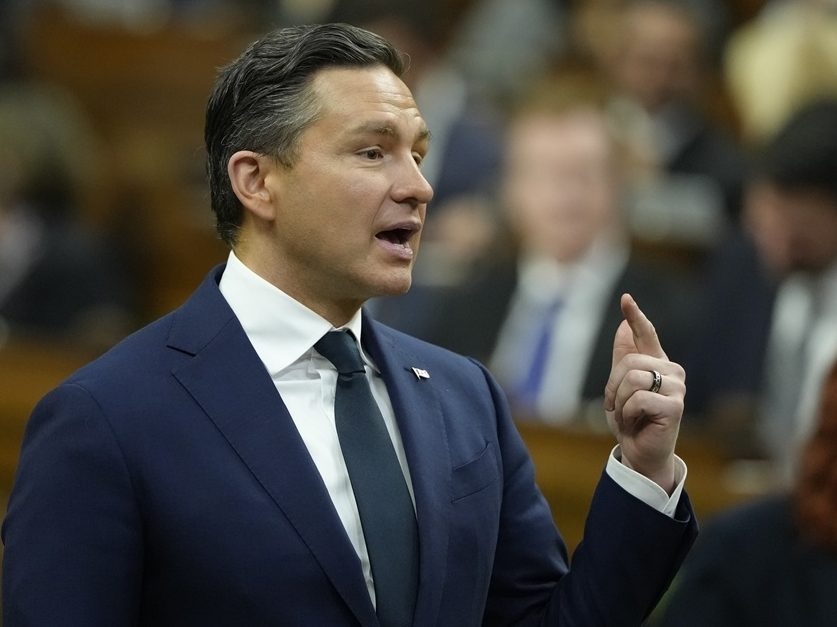
Pierre Poilievre arrives in Calgary for the Conservative convention facing a critical juncture, a moment defined by numbers – the support he needs within his own party and the shifting allegiances of Canadian voters.
Recent polling data paints a complex picture. A new Leger poll reveals a nine-point gap separating the Conservatives from the Liberals, 47 to 38 percent. This contrasts with other surveys conducted in the wake of Prime Minister Carney’s international engagements, which indicated a much tighter race.
The Leger poll suggests a surprising rally around Carney, particularly following his speech at the World Economic Forum in Davos and the subsequent reaction from Donald Trump. Experts believe the attacks on Carney sparked a protective response from many Canadians, especially older voters.
The demographic shift is stark. Among Canadians aged 55 and over, Liberal support stands at 54 percent, dwarfing the Conservative’s 34 percent. This is a significant reversal, as this age group traditionally leaned heavily towards Poilievre and the Conservatives until Carney’s arrival.
While the two parties remain relatively tied among younger voters, the 20-point gap with seniors presents a formidable challenge for Poilievre. This demographic is known for its consistent participation in elections, making their support crucial for any party’s success.
However, the immediate pressure on Poilievre comes not from the broader electorate, but from within his own party. A leadership review looms, and while technically a simple majority is sufficient, a significantly higher level of support is expected.
The precedent is cautionary. Joe Clark’s resignation as PC Party leader in 1983 followed a leadership review result of only 66 percent. Anything below 70 percent for Poilievre could trigger calls for his departure and a leadership contest.
Optimism within the Conservative ranks suggests Poilievre is poised to exceed 70 percent, with some even predicting a resounding endorsement above 90 percent. Several factors contribute to this confidence, including the current focus of separatist movements in Alberta on petition campaigns.
A surprising element is the apparent lack of organized opposition to Poilievre’s leadership. While some members may desire a change, there’s a prevailing sentiment of uncertainty – a lack of clear alternatives and a coordinated effort to challenge him.
Poilievre’s team understands the importance of maximizing turnout at the convention. Securing a strong show of support from his base is paramount, even if a dramatic upset remains unlikely. The coming days will reveal whether he can solidify his position and navigate the shifting political landscape.