Ottawa is facing a series of critical military procurement decisions, but the stakes extend far beyond simply choosing the best equipment. These choices are entangled with the fate of Canadian industries, regional economies, and even the future of North American defense.
A significant debate centers on the planned purchase of 88 F-35 fighter jets. Sources suggest the government is considering a revised strategy: acquiring only 40 F-35s and supplementing them with 88 Gripen jets from Swedish manufacturer Saab, with assembly potentially taking place in Quebec. This shift isn’t about superior aircraft; it’s about perceived economic benefits.
The promise of 10,000 Canadian jobs tied to Gripen production feels dramatically inflated. Brazil, which is acquiring a smaller number of Gripen jets, anticipates only a few hundred direct jobs – around 200 – related to production and support. The notion that Canada could generate ten times that number seems unrealistic, a phantom benefit driving a potentially damaging decision.
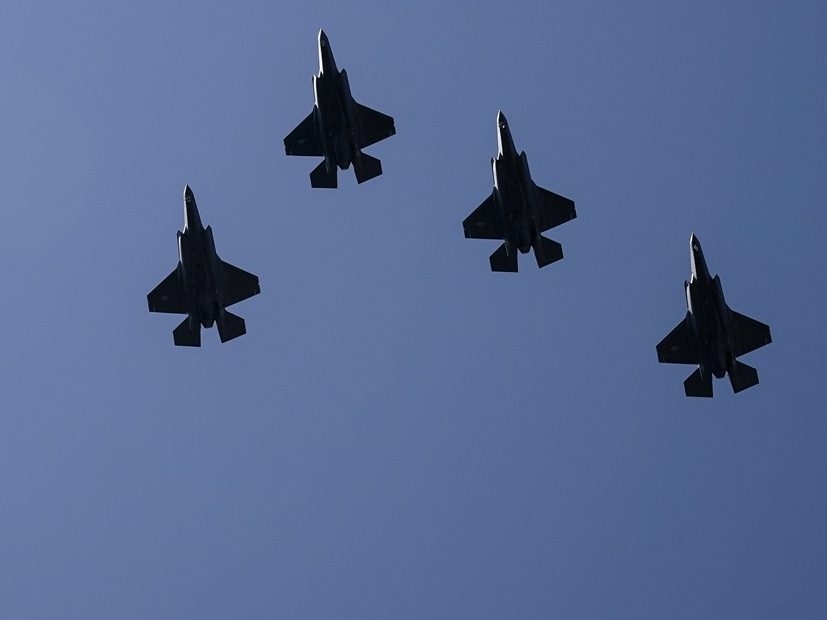
Meanwhile, a reduction in the F-35 order threatens the existing network of over 100 Canadian companies already deeply involved in the program. These firms, employing approximately 2,500 people, currently manufacture vital F-35 components – from tail assemblies in Winnipeg to landing gear parts in Oakville. Sacrificing established contracts for an uncertain promise is a risky gamble.
Adding another layer of complexity, the Gripen jet relies heavily on American parts and technology. Any sale and technology transfer would require approval from the White House, a prospect that appears increasingly unlikely given recent signals from Washington. The promised Swedish solution may ultimately be dependent on American consent.
The implications extend to continental defense. A former U.S. ambassador to Canada warned that abandoning the F-35 could necessitate a restructuring of NORAD, potentially requiring the United States to increase its own F-35 deployment to maintain effective air defense. Canada’s defense capabilities, and its role in North American security, are directly linked to this decision.
The submarine procurement process is equally fraught with political considerations. Both German and Korean companies are vying for the contract, and both are offering significant economic incentives. A Korean delegation, including representatives from automaker Hyundai, has even dangled the prospect of building Canada’s first Hyundai auto plant.
This offer – a potential auto plant in exchange for the submarine contract – highlights the lengths to which foreign governments are willing to go to secure Canadian business. However, the economic viability of such a plant hinges on Canada maintaining preferential access to the American market, a situation currently clouded by trade uncertainties.
Finally, a new dynamic has emerged in the naval shipbuilding arena. Ontario is aggressively lobbying for its shipyards to be included in the construction of a dozen new corvette-class ships, adding another layer of regional pressure to an already complex decision-making process. Premier Doug Ford is personally advocating for Ontario’s involvement.
These procurement decisions are no longer simply about selecting the best military hardware. They are a complex web of economic promises, political pressures, and strategic considerations, where the future of Canadian industries and national security hang in the balance.