Canadians yearning for the warmth of spring may need to brace themselves for a prolonged winter chill. The latest long-range forecast suggests April and May will offer little respite from the cold, delivering a soggy, grey continuation of the season’s icy grip.
The centuries-old Old Farmer’s Almanac predicts “cooler-than-normal temperatures” across the majority of Canada. This unsettling forecast extends from British Columbia and Saskatchewan to the Maritimes, encompassing all of Manitoba, Ontario, and Quebec.
It’s not simply a matter of cold air; the Almanac warns of significantly increased precipitation throughout much of the country. Imagine endless slush and overcast skies stretching into what should be the blossoming months of spring.
The western Prairies, stretching through British Columbia and into the Yukon and Northwest Territories, are expected to bear the brunt of this wet and chilly pattern. Newfoundland and Labrador, along with southeastern Quebec, will also experience above-normal rainfall.
A few regions may find some solace. Parts of the eastern Prairies, northern Ontario, and western sections of Atlantic Canada, including Prince Edward Island, Nova Scotia, and New Brunswick, are predicted to see below-normal precipitation.
The Yukon Territory and the southern Prairies might even experience seasonal or warmer-than-normal temperatures, offering a small pocket of relief. However, the outlook is particularly bleak for southern Ontario.
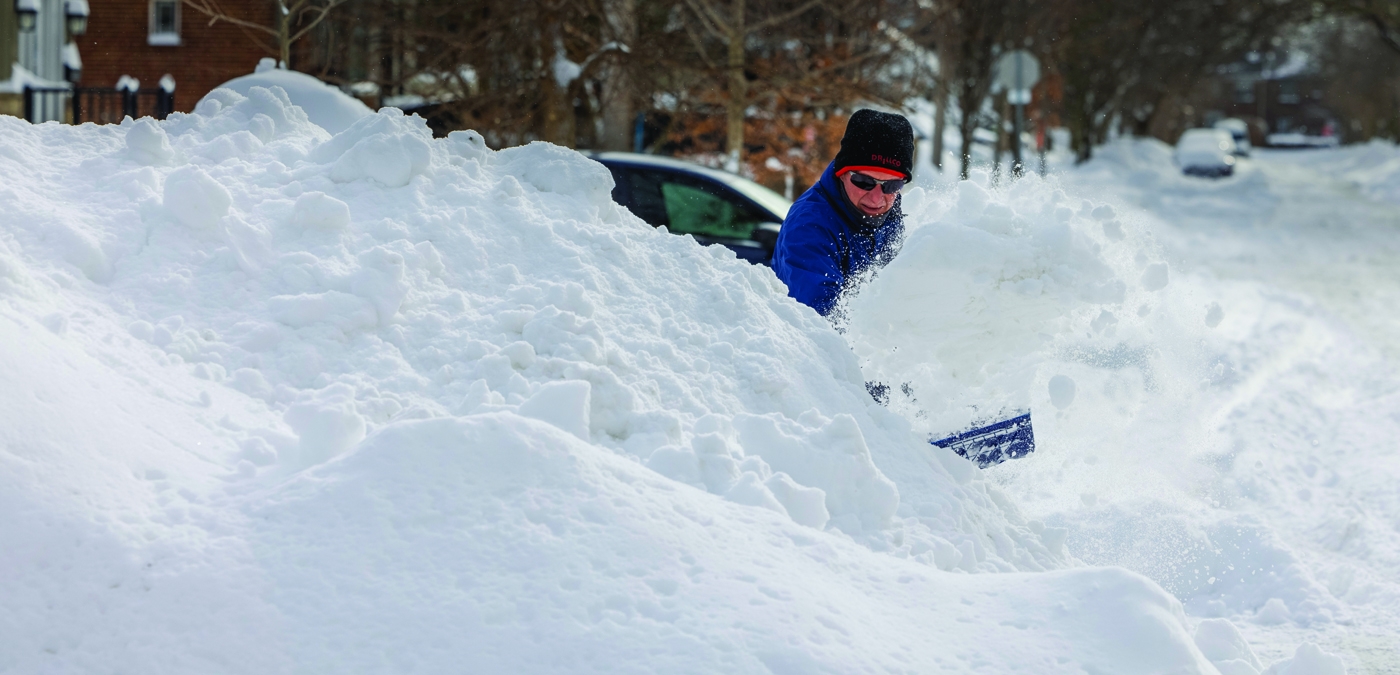
Southern Ontario, still reeling from record-breaking snowfall, faces a grim forecast. Expect cooler temperatures overall, with increased precipitation in the north and decreased in the south – a mix of rain and snow in April, escalating to scattered thunderstorms in May.
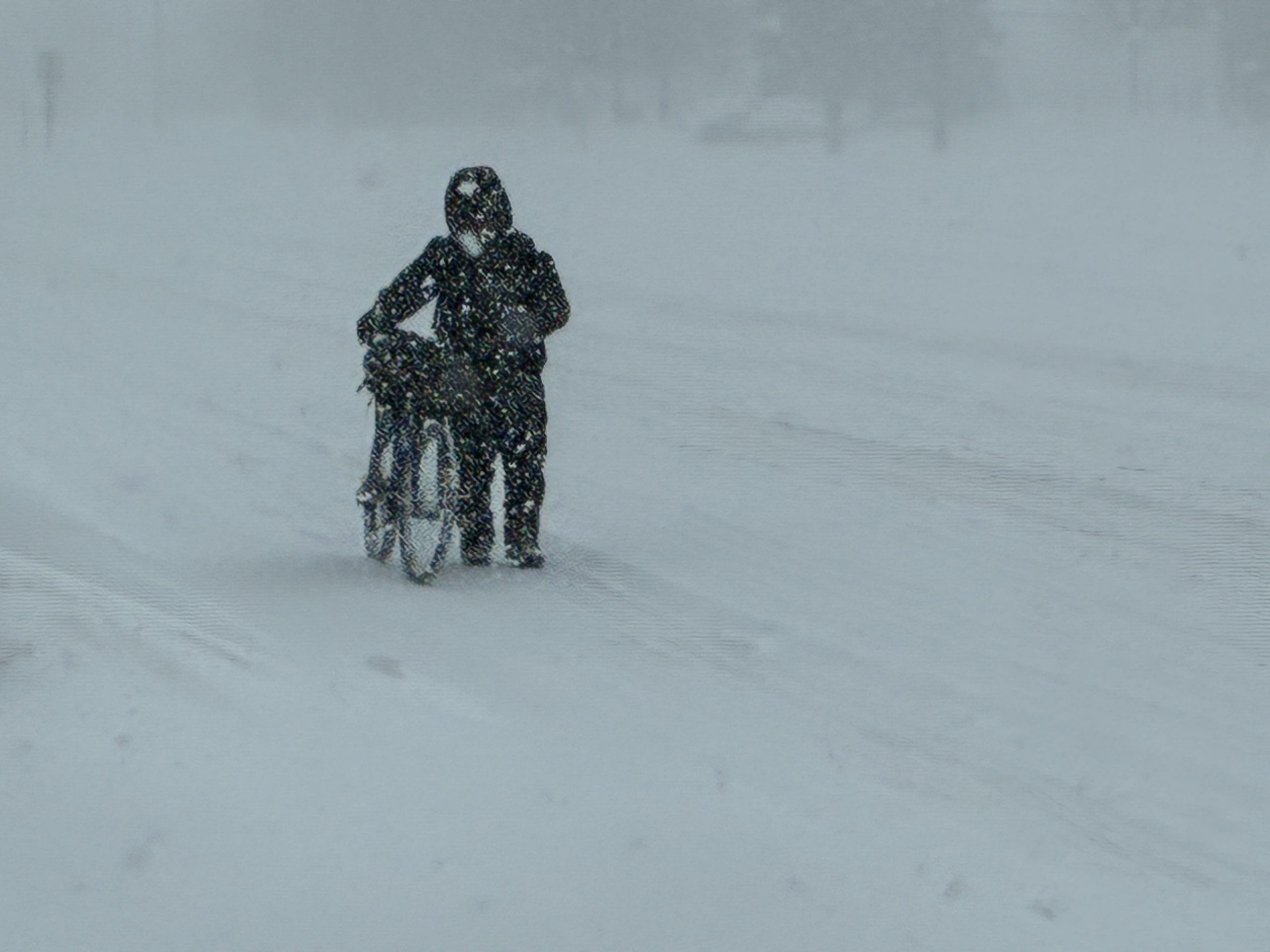
This prediction hits especially hard in Toronto, recently battered by a historic blizzard. The city was buried under over 50 centimetres of snow in a single day, a staggering amount that crippled daily life.
Environment Canada reported a staggering 56 centimetres of snow in Toronto’s city centre, with Pearson International Airport recording 46 centimetres – the highest daily snowfall total in its history. The sheer volume was unprecedented.
January’s total snowfall reached 88.2 centimetres, the highest accumulation since record-keeping began in 1937. This winter has already etched itself into the city’s history books, and the forecast suggests the story isn’t over yet.