As Toronto prepares to host FIFA World Cup matches in 2026, a significant – and surprising – public health initiative has come to light. Nearly $200,000 of taxpayer money is being allocated to a massive purchase of condoms and sexual health supplies.
The expenditure, revealed through a freedom-of-information request, details an order of 576,000 branded condoms and 200,000 individual lubricant packages. Beyond sheer numbers, the condoms themselves are noteworthy: Toronto Public Health opted for six unique, soccer-themed wrapper designs, seemingly aimed at appealing to collectors alongside their intended purpose.
This isn’t a reactive measure; it’s a proactive strategy rooted in stark public health realities. Toronto has been grappling with rising rates of sexually transmitted infections like chlamydia and gonorrhea – exceeding 14,000 and 7,000 cases respectively in 2024 alone. Early data from 2025 indicates those numbers are climbing, now representing 81% of all reported communicable diseases.
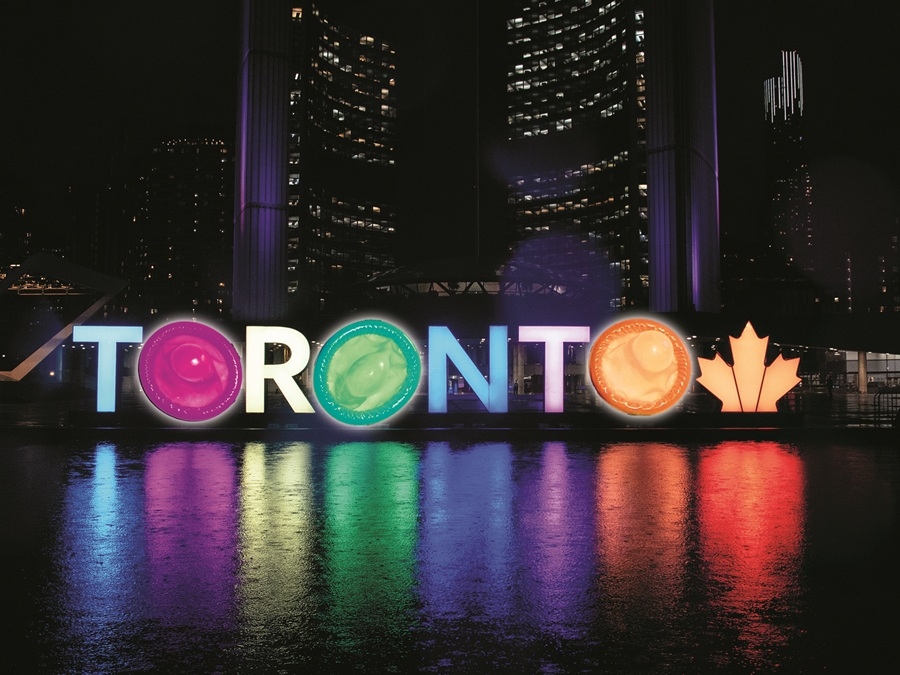
The initiative extends beyond standard latex protection. The order includes 12,500 female condoms and 16,000 dental dams, with a substantial portion of the latter made from a non-latex polyisoprene material, catering to individuals with sensitivities or allergies. This demonstrates a considered approach to inclusivity and comprehensive sexual health.
Public health officials defend the expenditure as a routine practice during large-scale events, drawing parallels to similar programs implemented during the 2015 Pan Am Games and Toronto’s annual Pride Parade. Mass gatherings, they explain, inherently increase the risk of disease transmission and substance use.
However, the scale of the investment has drawn criticism. One mayoral candidate publicly questioned whether such spending represents a responsible use of taxpayer funds, arguing that city hall should prioritize “the basics.” The debate highlights a fundamental tension between proactive public health measures and fiscal responsibility.
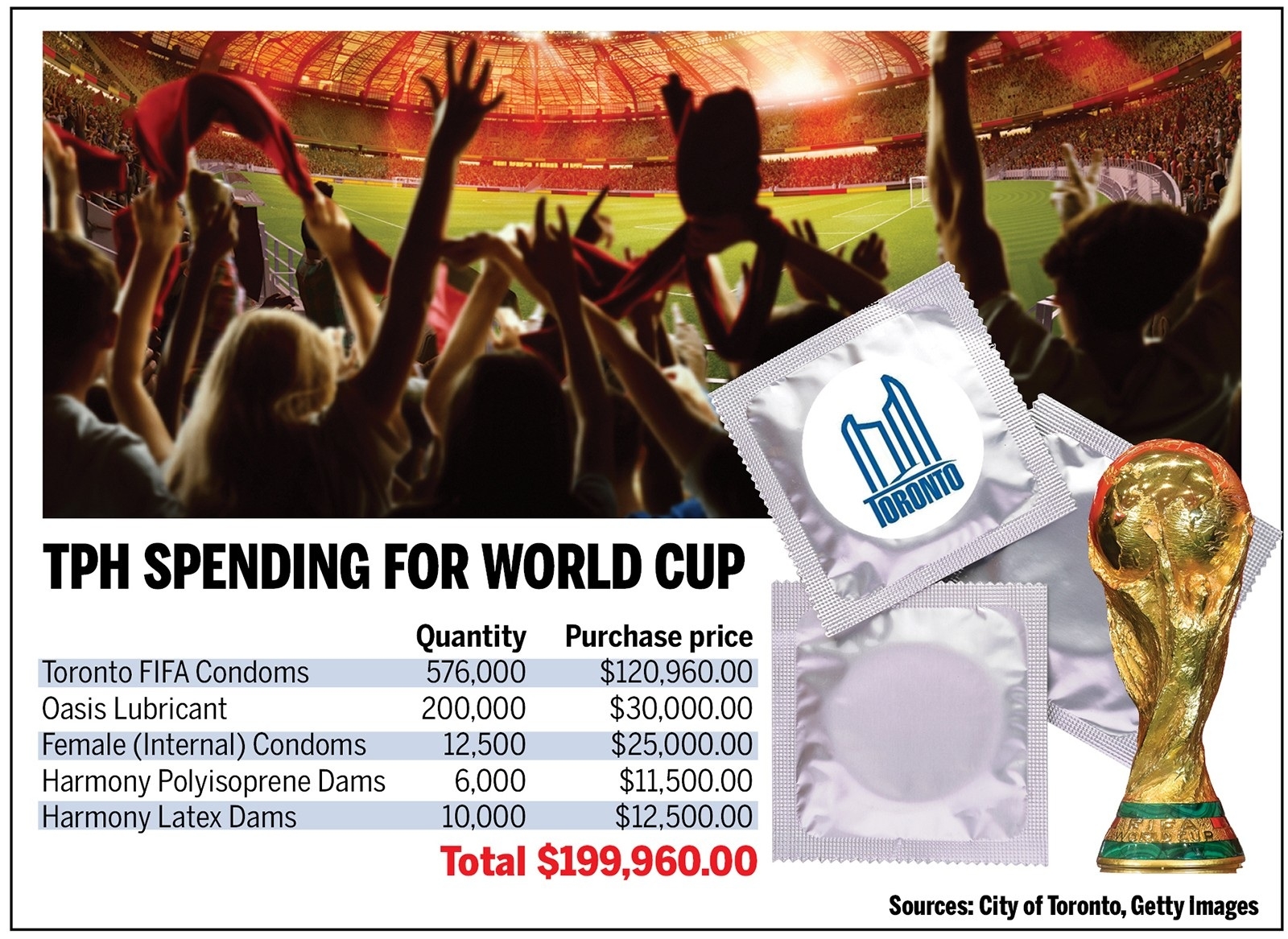
The program isn’t solely about distribution. Toronto Public Health plans to couple the availability of these supplies with broader sexual health awareness campaigns throughout the summer, aiming to educate visitors and residents alike. They will also monitor wastewater at event locations for early signs of communicable illnesses, adding another layer of preventative action.
This large-scale effort underscores the complex public health challenges that accompany major international events. Toronto’s approach, while controversial to some, reflects a determined effort to mitigate potential risks and protect the well-being of both residents and the influx of World Cup fans.