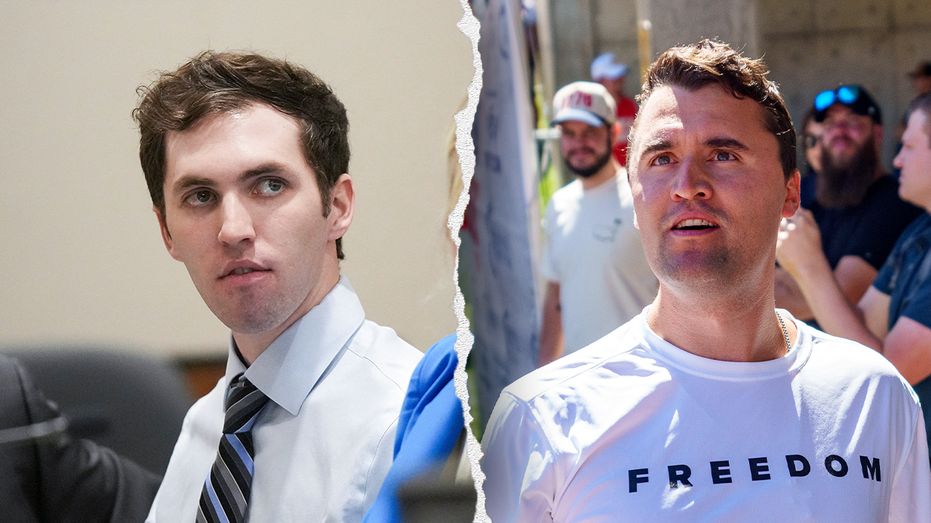
A fierce battle is unfolding in a Utah courtroom, not over guilt or innocence, but over transparency. Prosecutors and a powerful coalition of media organizations are locked in a dispute with the defense team of Tyler Robinson, accused of attempting to assassinate Charlie Kirk.
Robinson’s lawyers are aggressively seeking to keep crucial court filings hidden from public view, arguing that disclosure would jeopardize his right to a fair trial. However, prosecutors contend there’s no legitimate basis for such secrecy, asserting the defense hasn’t demonstrated how openness would actually prejudice potential jurors.
The media coalition, encompassing major national and local news outlets, argues that the public has a fundamental First Amendment right to access court proceedings. They are currently forced to operate in the dark, unable to fully understand the evidence the defense seeks to exclude due to the sealed motion filed in January.
Defense filings maintain that while the public’s right to access isn’t absolute, Robinson’s right to a fair trial is paramount. They specifically want a 200-page motion – aimed at barring news cameras from the courtroom – classified, fearing its contents could sway public opinion against their client.
Legal experts are skeptical of the defense’s strategy. Royal Oakes, a veteran media attorney who successfully argued for televised coverage of the O.J. Simpson trial, believes the effort to maintain secrecy is likely to fail. He emphasizes that while not every document is automatically public, “nearly everything is.”
The prosecution points to Supreme Court precedent, stating that even extensive pretrial publicity doesn’t automatically guarantee an unfair trial. They argue that any paperwork related to sealing documents or restricting access should be readily available for public scrutiny, fostering accountability and encouraging fairness.
The defense has also raised concerns about close-up video of Robinson, alleging “lip readers” have distorted his courtroom statements and that the media is exploiting the case for profit, even violating court orders. They accuse news organizations of actively calling for Robinson’s execution and making unsubstantiated claims about his character.
The media coalition vehemently rejects these accusations, arguing the defense is relying on outdated legal arguments. They point to a landmark Supreme Court case, Richmond Newspapers, which dramatically shifted the court’s stance on access rights, effectively overturning previous precedents.
Robinson is accused of shooting Kirk from a rooftop during a public event at Utah Valley University last September. Court filings reveal he allegedly spent a week planning the attack and confessed to multiple individuals, including loved ones and family members, reportedly saying, “I am, I’m sorry.”
He has yet to enter a plea, and his preliminary hearing and arraignment have been repeatedly postponed. If convicted of aggravated murder, Robinson could face the death penalty. A separate motion is also pending, seeking to disqualify the prosecutors due to a potential conflict of interest – one prosecutor’s child was present at the university during the shooting.
The courtroom drama is set to continue, with further hearings scheduled to address both the sealing of documents and the alleged conflict of interest. The outcome will not only determine the course of Robinson’s case but also set a precedent for public access to justice in Utah.