A chilling warning echoed from Tehran as Ayatollah Ali Khamenei, Iran’s supreme leader, directly threatened the United States with a regional war should it dare attack Iranian soil. The stark declaration came amidst a commemoration of the 1979 Islamic Revolution, a period steeped in historical significance for the nation.
Khamenei’s words weren’t veiled in diplomatic language. He accused the US of coveting Iran’s vast resources – its oil, natural gas, and minerals – claiming a desire to reassert control reminiscent of a bygone era. This accusation fueled his warning, painting a picture of potential conflict born from American ambition.
The supreme leader insisted Iran doesn’t seek conflict, stating they have no intention of initiating aggression. However, he delivered a resolute promise: any act of aggression or harassment against Iran would be met with a “heavy blow” from the Iranian nation, a clear signal of unwavering defense.

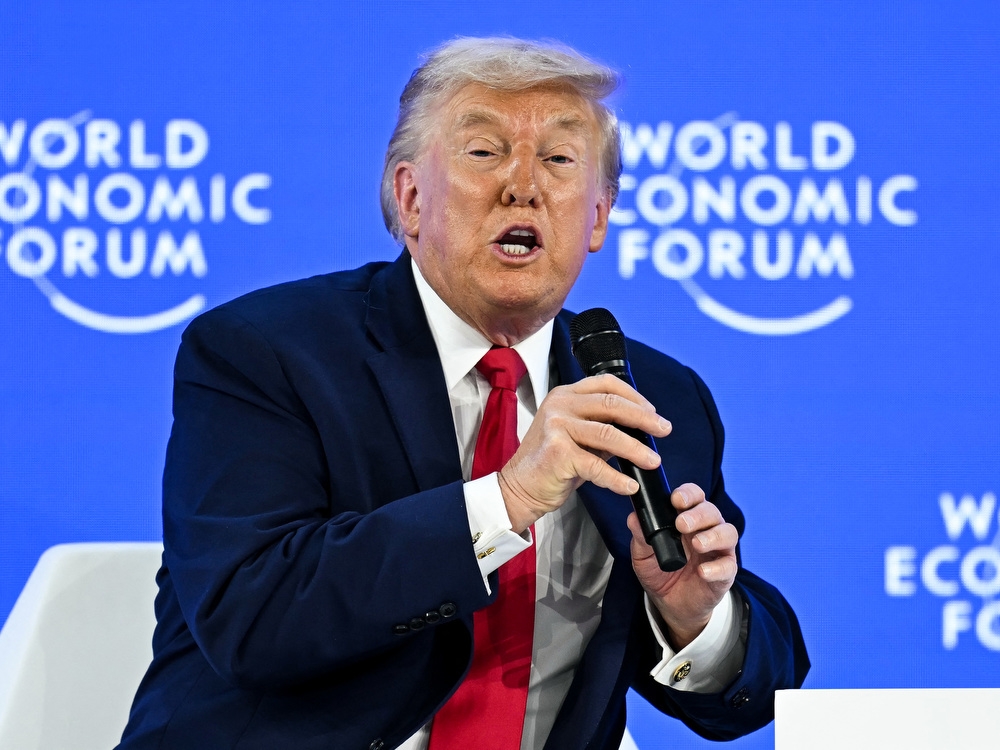
The response from Washington was characteristically direct. President Trump, when pressed on Khamenei’s warning, dismissed it with a confident assertion of American military might. He highlighted the presence of “the biggest, most powerful ships in the world” positioned nearby, hinting at a potential for negotiation, but also a readiness for confrontation.
Underlying this exchange is a recent and brutal crackdown on protests within Iran. What began as demonstrations over economic hardship quickly escalated into a direct challenge to Khamenei’s authority, a challenge the regime met with force. The scale of the suppression is staggering, with reports of tens of thousands detained.
Independent human rights organizations estimate a death toll exceeding 6,700, the vast majority of whom were protestors. While the Iranian government offers a significantly lower figure, claiming many of the deceased were “terrorists,” a pattern of underreporting during periods of unrest casts doubt on its accuracy.

The current unrest surpasses any previous protests in Iran in decades, evoking memories of the tumultuous 1979 revolution. President Trump has publicly stated two clear boundaries for potential military action: the killing of peaceful protestors and the mass execution of those detained during the crackdown.
Adding another layer of complexity, the specter of Iran’s nuclear program looms large. Discussions surrounding the program have resurfaced, particularly in the wake of a recent conflict involving Israel and Iran, further escalating tensions in the region and raising the stakes for all involved.
Recent reports detail the case of Erfan Soltani, a human rights activist initially sentenced to death for his involvement in the protests. His temporary release on bail, following threats of retaliation from President Trump, underscores the delicate balance and high-stakes maneuvering currently unfolding between the two nations.