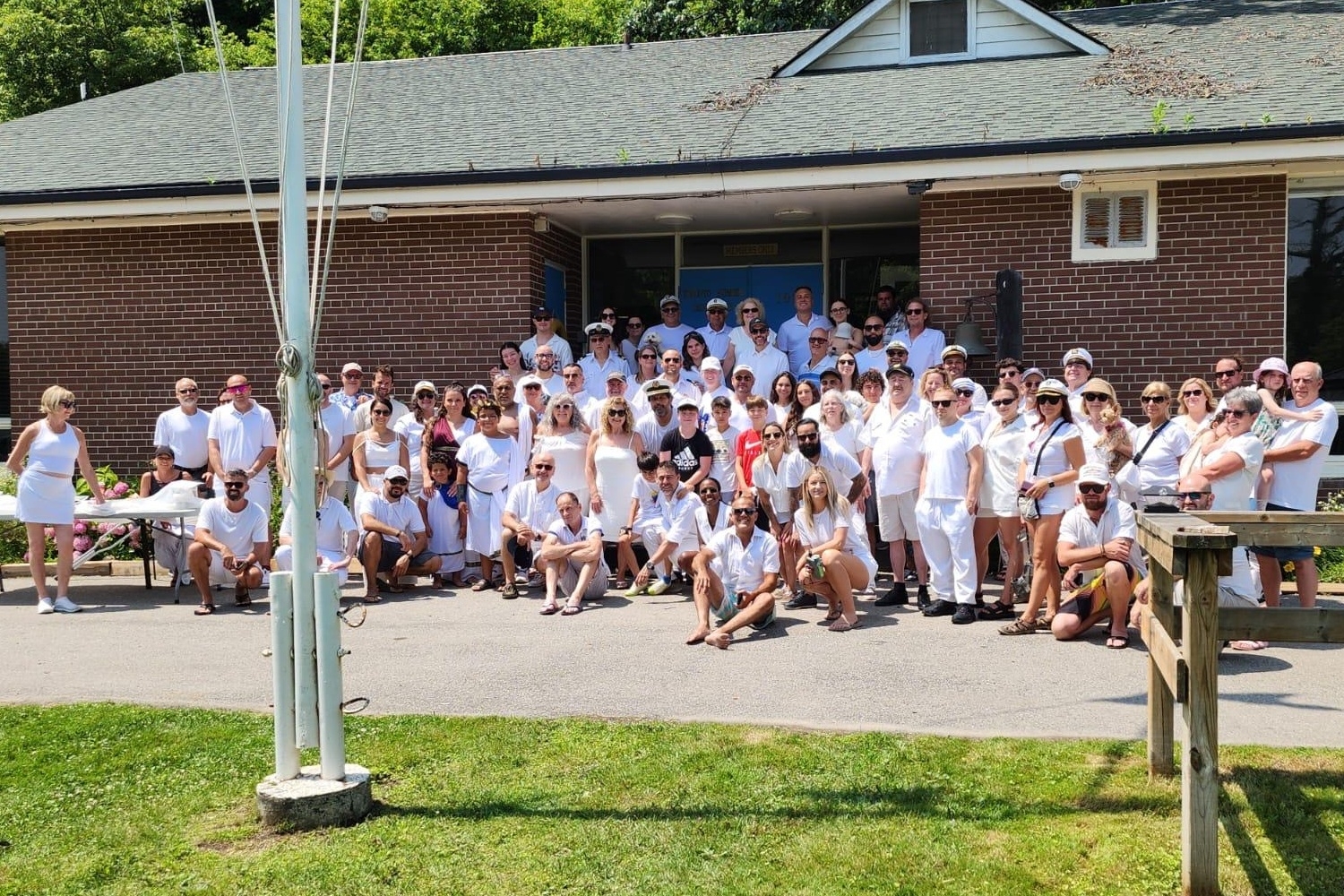
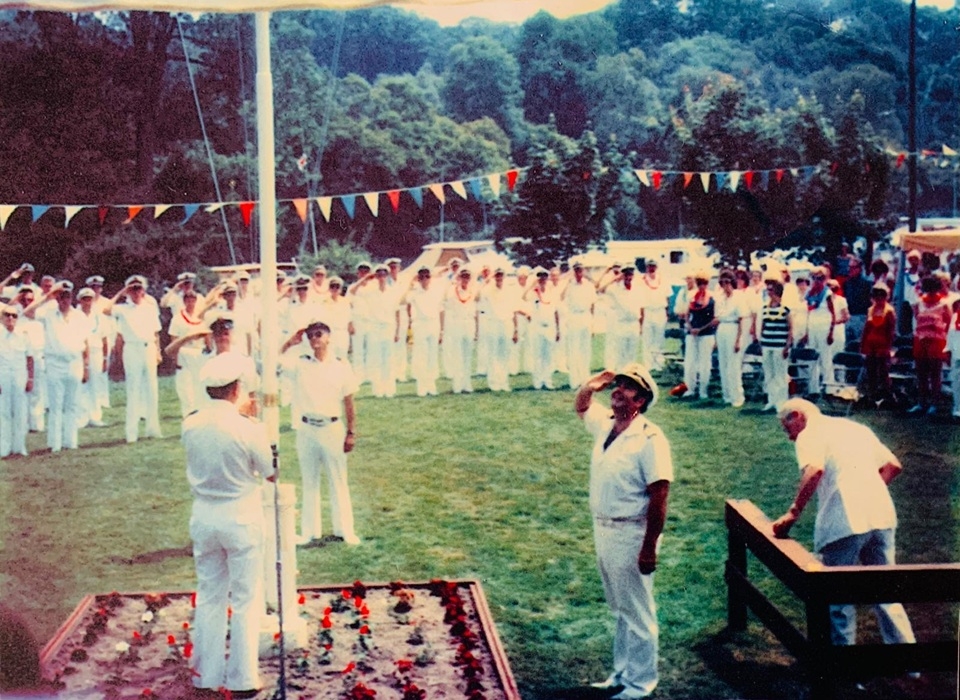
For seventy years, the Toronto Humber Yacht Club has been a fixture on the Humber River, a community hub for those who found solace and camaraderie on the water. Now, Vice-Commodore Wilson DaSilva fears that legacy is about to be erased, as the city has declared it will not renew the club’s lease.
The news came as a shock. Instead of celebrating a milestone anniversary, the club was presented with a series of minor infractions – fallen trees after a storm, quickly addressed – only to be told later that the decision wasn’t based on those issues at all. A deeper, more unsettling reason was implied: the city had “different plans” for the area, plans the yacht club wasn’t invited to discuss.
DaSilva expresses a profound sense of betrayal, a feeling that decades of stewardship – of actively caring for the river – have been disregarded. He questions why there hasn’t been genuine public debate, and laments what he perceives as a one-sided narrative painting the club in a negative light.
Deputy Mayor Amber Morley cites “compliance issues” dating back to 2018, including environmental concerns and unauthorized structures. However, specifics remain vague, with DaSilva identifying the “unauthorized structures” as temporary gazebos. A July 2025 tour, according to Morley, yielded a “constructive discussion,” but ultimately failed to alter the city’s course.
The city’s stated goal is to prioritize ecological management and public access along the Humber River, acknowledging that motorized watercraft are placing strain on the sensitive ecosystem. They plan a public engagement process to determine the site’s future, a process that feels, to DaSilva, like a formality.
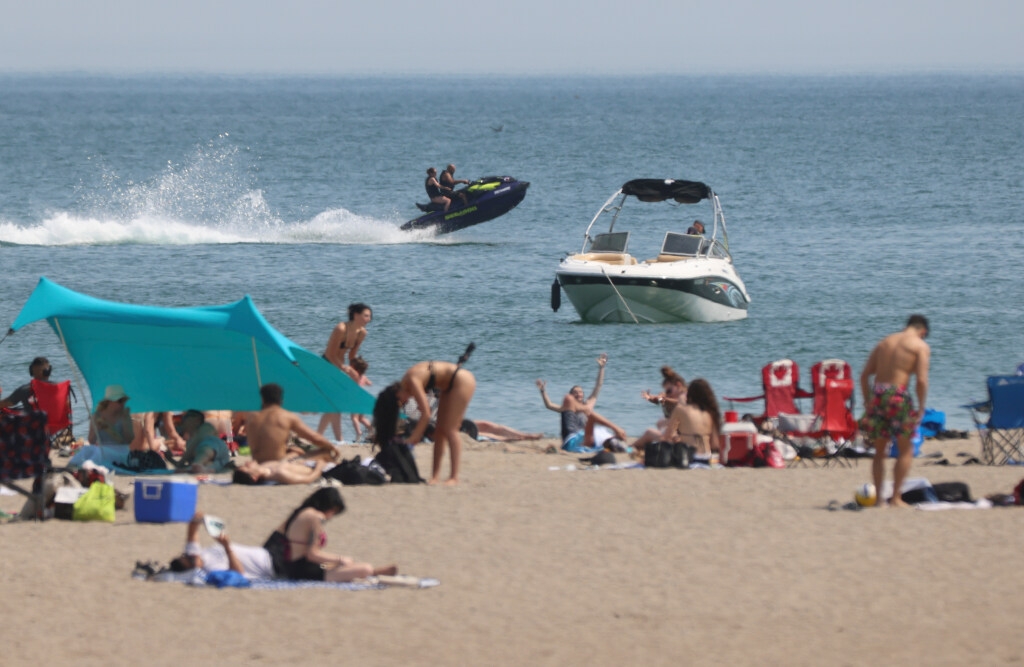
A recent surge in Jet Ski activity on the river, a phenomenon that began during the pandemic, has become a focal point of the dispute. While the city points to “nuisance watercraft,” DaSilva emphasizes that the yacht club has been actively working to phase them out, storing only a dozen machines.
The real problem, he argues, lies with parties and bonfires happening in the adjacent public park, events that unfairly reflect on the club. Despite providing video evidence, the yacht club continues to bear the brunt of public criticism, wrongly perceived as the source of the disturbance.
The Toronto Humber Yacht Club isn’t just a place to dock a boat; it’s a haven for a “blue collar, working class” community. It’s a place where food drives are regularly held, and where the Boy Scouts participate in vital wildlife preservation efforts. It’s a deeply rooted part of the local fabric.
DaSilva pleads for a reasonable transition, a chance to phase out operations over a few years. He worries about members who have invested their savings in boats, now facing the prospect of selling at a loss. He believes the city is dismissing the very people who are most dedicated to protecting the Humber River.
“We’re the only ones cleaning up that river,” DaSilva insists, describing the club’s twice-yearly volunteer efforts to remove debris. “And I can assure you, that debris does not come from our club.” He expresses a simple desire: a collaborative path forward, a recognition of seventy years of commitment, and an opportunity to continue evolving.