Frankie Floridia thought he’d encountered every animal crisis imaginable. Years spent leading Strong Island Animal Rescue League on Long Island had exposed him to tangled deer, trapped raccoons, and kittens in precarious situations. He’d built a reputation for tackling the rescues others couldn’t, hardened by the constant stream of need. But nothing could have prepared him for the call he received earlier this month.
It wasn’t a single animal in distress, but a hidden world teeming with life. Hundreds of domestic rats had been discovered inside a condemned house in the New York suburbs, a situation so unusual it immediately demanded attention. The call came directly from the Suffolk County district attorney’s office, signaling the gravity of the situation.
Floridia and his team faced a stark choice: eradication or rescue. While the easier path involved calling an exterminator, the ethical weight of saving these creatures – creatures who simply wanted to live – was undeniable. They committed to a monumental task: to capture, heal, and rehome an astonishing number of animals.
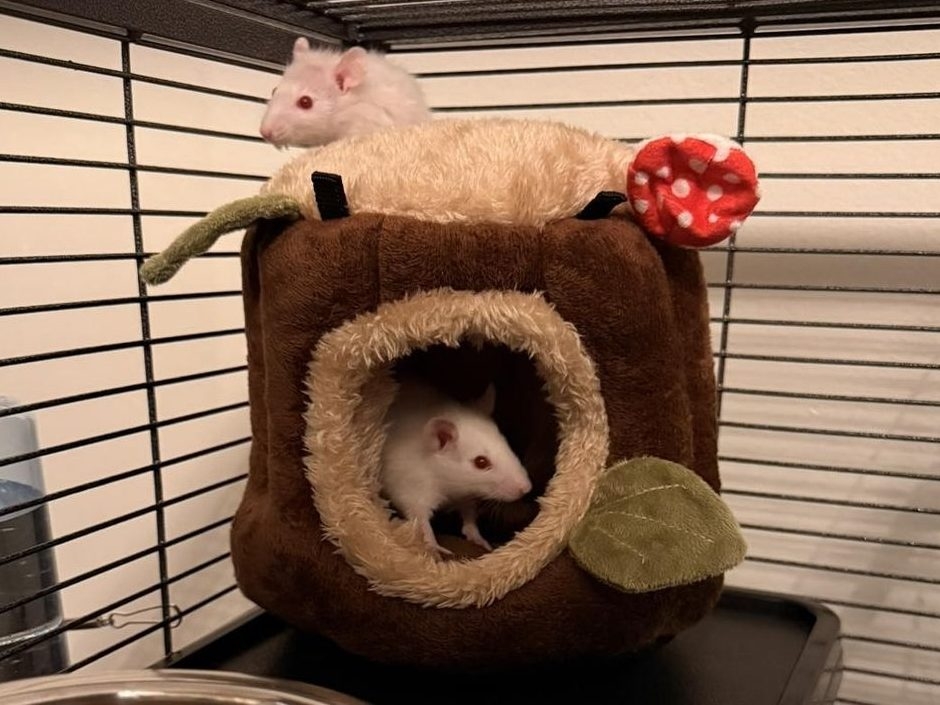
These weren’t the wild, often feared rats of alleyways. These were domestic rats, bred as companions, smaller, gentler, and far more approachable. They boasted a vibrant array of coat colors, a testament to years of selective breeding. Yet, despite their domesticated nature, the rescue presented unique challenges.
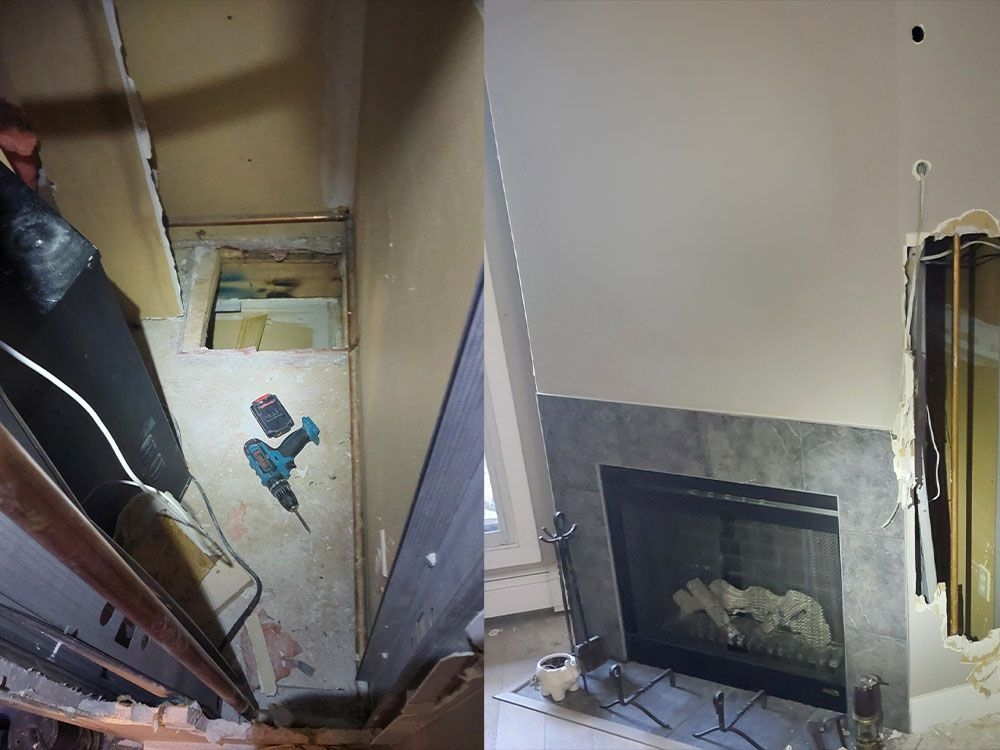
Dubbed “Project Ratatouille,” the operation quickly mobilized a dedicated team of volunteers. Over 450 rats have already been carefully trapped, a painstaking process involving both gentle hands and strategically placed nets. The animals had burrowed into every conceivable space – walls, cabinets, drawers, even within the furniture itself.
The sheer number of rats, and their rapid reproductive rate, added urgency to the mission. Females can deliver litters of eight to eighteen pups every few weeks, making population control critical. Volunteers immediately began separating the rats by gender to prevent further breeding within the rescue.
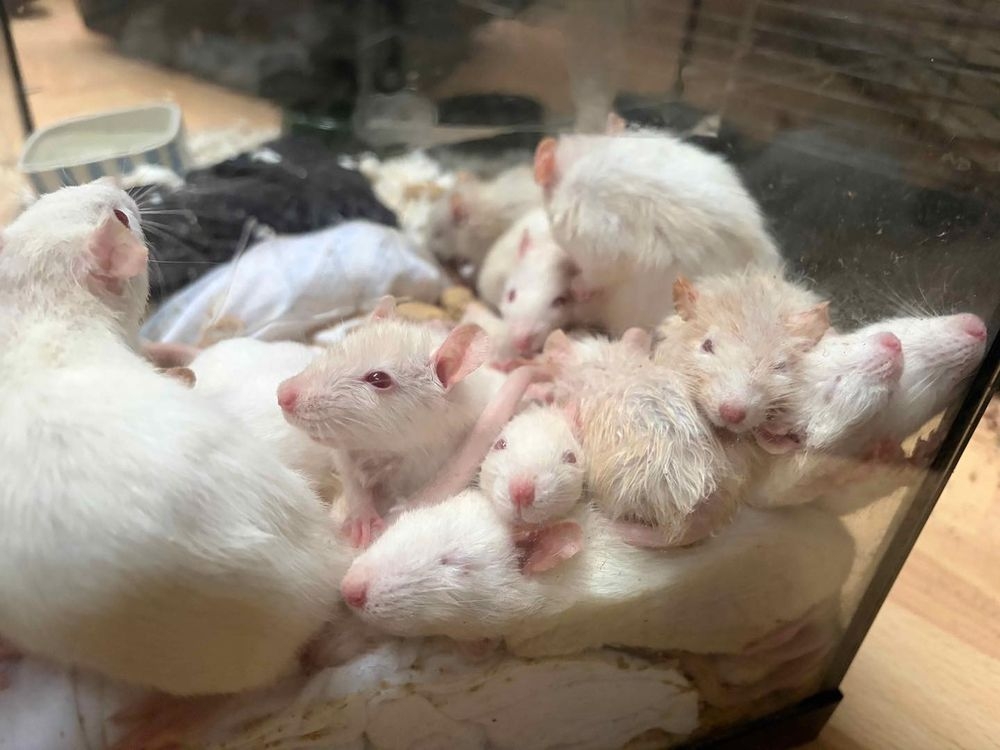
The situation likely spiraled out of control relatively quickly, Floridia suspects, stemming from a homeowner’s pet rats reproducing unchecked. It wasn’t a deliberate breeding operation, but a case of overwhelming numbers. Injured and ill rats received immediate veterinary care, while the healthier ones were placed in a network of foster homes.
Remarkably, fewer than ten rats required euthanasia. A wave of support from individuals and other rescue organizations flooded in, offering foster care, adoption, and even transportation to homes beyond state lines. The response was a testament to the power of compassion and the dedication of the animal rescue community.
Around 250 rats have already found permanent homes or temporary foster care. Placing these animals isn’t easy, however. A lingering stigma surrounds rats, often perceived as unclean or frightening. Many are unaware of their intelligence, cleanliness, and potential as affectionate companions.
“Like a hamster or a gerbil, they’re cuddly,” Floridia explained, challenging common misconceptions. But even overcoming the stigma isn’t enough. Rats are profoundly social creatures, requiring the companionship of other rats to thrive. They must be adopted in pairs, or even small groups, to ensure their well-being.
Erica Kutzing, co-founder of the rescue league, has been deeply moved by the outpouring of support. Social media channels have been inundated with messages of encouragement and offers of assistance. The rat rescue community, she notes, is uniquely kind, drawn to the plight of these often-overlooked animals.
“I think it is attributed to the fact that rats are the underdogs,” Kutzing shared, “and they can almost be a representation of the forgotten people; the people who don’t always fit in.” People connect with rats, she believes, because they recognize a shared experience of being misunderstood or marginalized.
The homeowner faces charges of animal cruelty, neglect, and endangering the welfare of a child. But for Floridia, Kutzing, and their tireless team of volunteers, the focus remains firmly on the remaining rats. They are committed to rescuing every single one, refusing to rest until each animal finds a safe and loving home.
“We are not going to stop until we find placement for everyone,” Kutzing declared, her voice filled with unwavering determination. “We don’t have any other choice.”