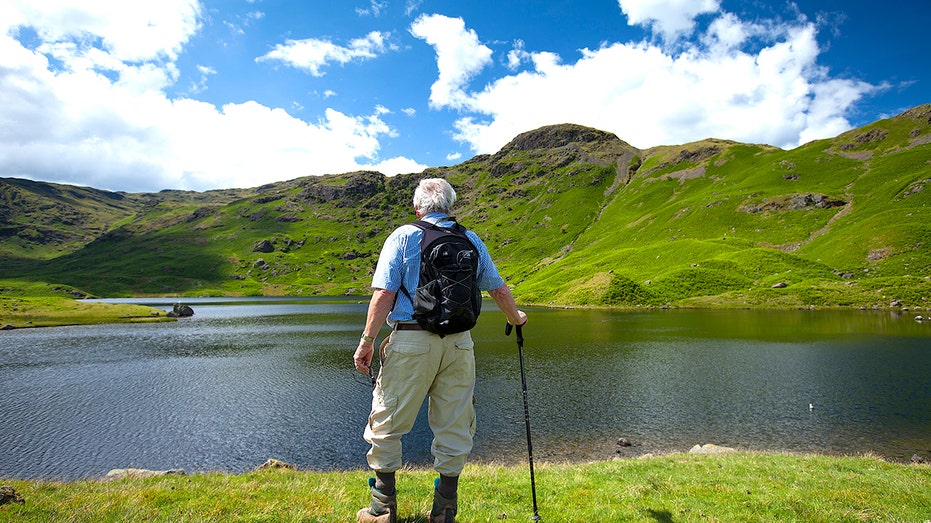
A quiet revolution is underway in the heart of Britain’s most cherished landscapes. National Parks and Areas of Outstanding Natural Beauty are embarking on a new mission: to open their rolling hills and ancient woodlands to everyone, regardless of background.
This shift comes after a stark government review revealed a troubling perception – that the countryside is widely seen as a “white” space, unwelcoming to ethnic minority communities. The report highlighted a disconnect, noting that while everyone contributes to funding these national treasures, many feel excluded from enjoying them.
The review painted a picture of landscapes governed by boards overwhelmingly dominated by white, middle-class individuals. This imbalance, representing a significant lack of diversity in leadership, was deemed unacceptable for organizations funded by the entire nation.
Now, management plans are being redrawn across iconic landscapes like the Cotswolds, the Chilterns, and the Malvern Hills. These plans aren’t about altering the scenery, but about dismantling invisible barriers to access and belonging.
In the Chilterns, targeted outreach programs are planned for communities in Luton and High Wycombe, areas with significant Muslim populations. Understanding concerns – like anxieties about unleashed dogs – is a key part of building trust and encouraging visits.
The Cotswolds are actively seeking to broaden their appeal, aiming to reach a wider demographic and challenge the notion of the countryside as exclusive. They recognize the need to actively invite, rather than passively await, a more diverse range of visitors.
The Malvern Hills acknowledge a generational gap, recognizing that many minority communities lack a historical connection to the countryside because previous generations didn’t always feel welcome. This historical exclusion is now being directly addressed.
Beyond specific concerns, a common thread runs through these plans: a desire to understand and address the anxieties of those unfamiliar with rural settings. Concerns about reception and language barriers are being proactively considered.
This isn’t simply about numbers; it’s about fundamentally changing the character of these landscapes. It’s a recognition that Britain’s natural heritage belongs to everyone, and that its future depends on fostering a sense of shared ownership and enjoyment.
The move signals a broader cultural shift, as landscape authorities grapple with the challenge of remaining relevant in a rapidly changing society. It’s a delicate balancing act, navigating the demands of inclusivity alongside traditional conservation goals.