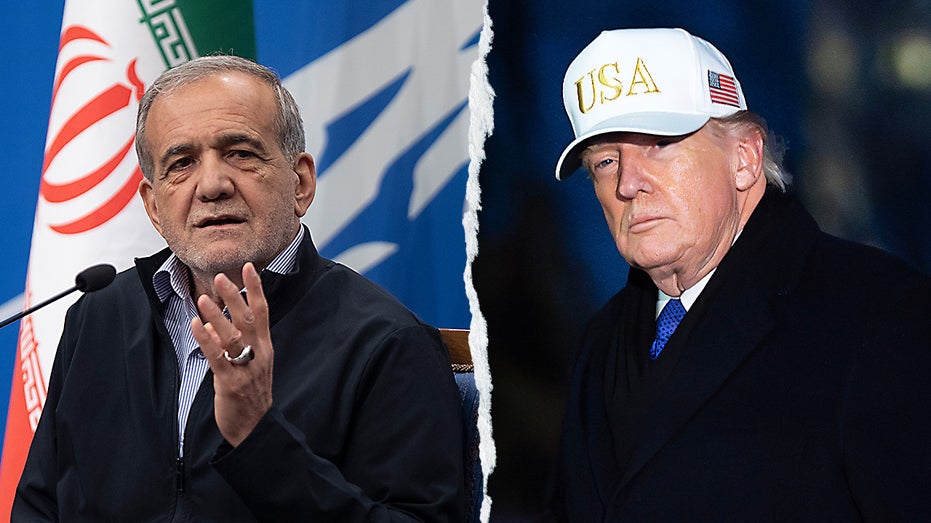
Just days after vehemently accusing former President Trump of deliberately stirring up unrest and attempting to destabilize Iran, the Iranian president is now signaling a potential willingness to engage in talks regarding its nuclear program.
This shift in tone follows a direct message from Trump himself, who stated the U.S. is currently in communication with Iran and expressed a desire for a negotiated agreement. He cautioned, however, that failure to reach a deal could lead to serious consequences.
Responding to these developments, the Iranian president authorized his Foreign Minister to pursue negotiations, but only under specific conditions. He insisted on an environment free from threats and unrealistic demands, emphasizing fairness, prudence, and a commitment to national interests.
While the offer appears conditional, the very fact that negotiations are being considered represents a significant change. The president’s statement underscores a desire for a resolution that respects Iranian dignity and safeguards its core principles.
Reports indicate a potential meeting between a U.S. envoy and the Iranian Foreign Minister in Istanbul. However, Iran has reportedly requested a change of venue, suggesting a preference for Oman as a neutral ground for discussions.
This apparent openness to dialogue stands in stark contrast to recent rhetoric from the Iranian president, who previously accused Trump, Israeli Prime Minister Netanyahu, and European leaders of exploiting internal problems and actively seeking to divide Iranian society.
He alleged that these external forces fueled anti-government protests and a subsequent crackdown, framing the unrest not as a spontaneous uprising but as a deliberate attempt to sow discord and hatred within the country.
Adding another layer of complexity, the Supreme Leader issued a strong statement, asserting that the U.S. seeks to “devour” Iran and that the nation must remain steadfast in resisting American influence. He further claimed, without providing evidence, that recent unrest was orchestrated by Zionist and U.S. intelligence agencies.
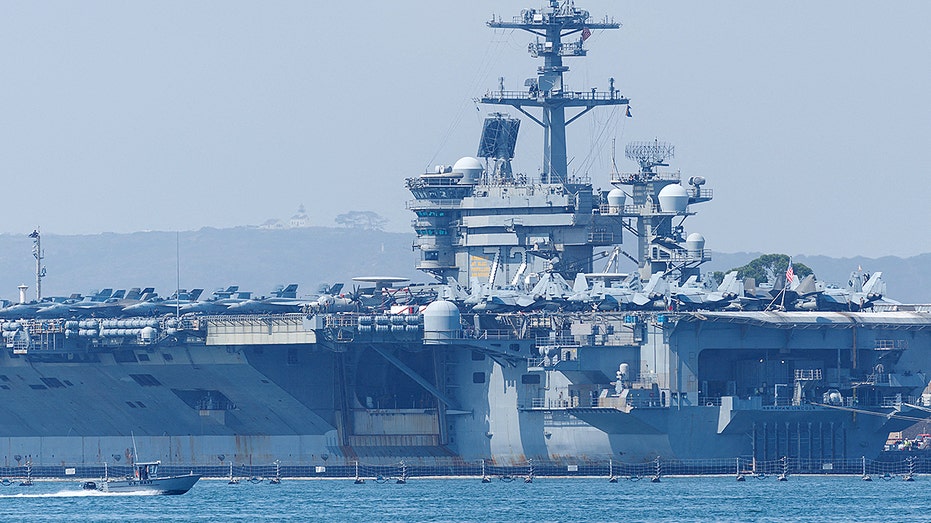
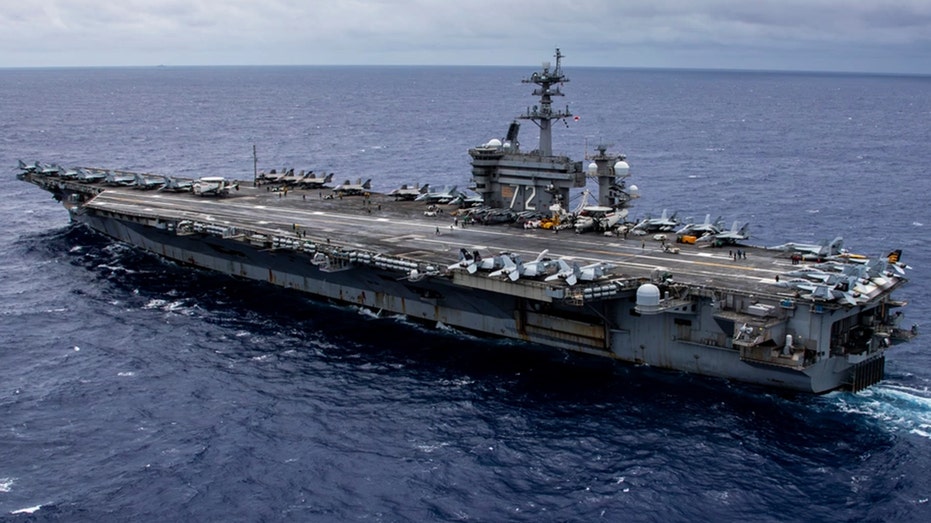
Trump, for his part, has repeatedly emphasized the urgency of the situation, warning that “time is running out” for Iran. He recently alluded to a significant naval deployment, suggesting a readiness to use force if necessary to achieve a favorable outcome.
The former president called for Iran to come to the negotiating table and reach a deal that prevents the development of nuclear weapons, framing it as a solution beneficial to all parties involved. The situation remains volatile, with both sides signaling firm positions while simultaneously leaving a narrow window open for potential diplomacy.