A significant shift in federal strategy is underway, marked by a $100 million investment aimed at directly confronting the intertwined crises of homelessness, opioid addiction, and public safety. This isn’t simply about managing symptoms; it’s a focused effort on treatment-centered recovery, a departure from approaches deemed ineffective in the past.
The initiative, known as STREETS – Safety Through Recovery, Engagement, and Evidence-based Treatment and Supports – will prioritize connecting individuals struggling with addiction and homelessness to vital resources. These include targeted outreach, critical psychiatric care, immediate medical stabilization, and rapid crisis intervention, offering a lifeline to those most in need.
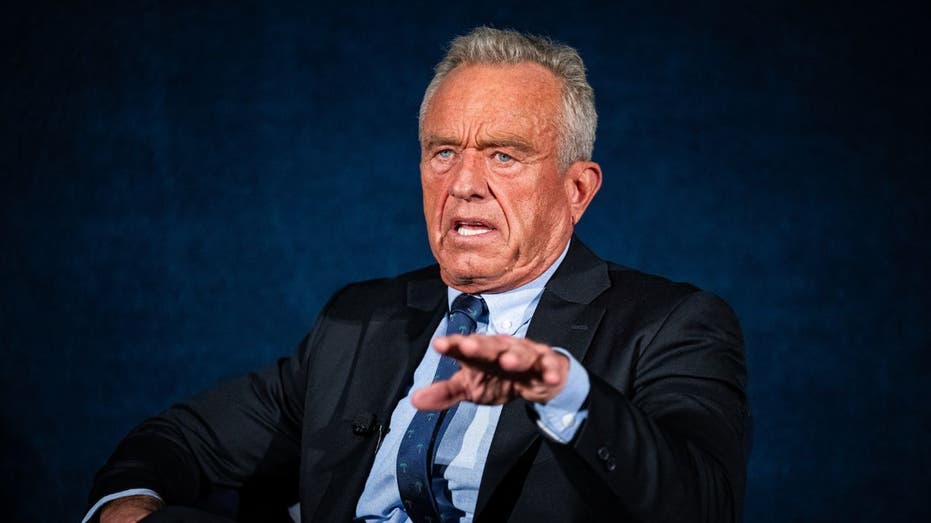
Secretary Robert F. Kennedy Jr. articulated a core principle driving this change: “Addiction begins in isolation and ends in reconnection.” The goal is to actively draw individuals out of the shadows and reintegrate them into supportive communities, recognizing the fundamental human need for belonging and connection.
Alongside the STREETS Initiative, a $10 million grant program will bolster Assisted Outpatient Treatment (AOT) for adults battling serious mental illness. This court-ordered, community-based approach provides structured support for those unable to navigate traditional outpatient care, aiming to prevent crises and promote stability.
Data reveals a stark reality: substance use disorder among Americans aged 12 and older has more than doubled, surging from 7.4% in 2019 to 16.8% in 2024. Alarmingly, nearly 80% of those struggling with addiction in 2024 did not receive the treatment they desperately needed, highlighting a critical gap in access to care.
Further bolstering these efforts, nearly $794 million in funding is being allocated through the Substance Abuse and Mental Health Services Administration (SAMHSA). This includes $319 million for comprehensive community mental health services and $475 million dedicated to substance use prevention, treatment, and long-term recovery programs nationwide.
Secretary Kennedy spoke with raw honesty about his own 14-year battle with heroin addiction, sharing that he has maintained 43 years of recovery. He emphasized the central role recovery plays in his life, stating his daily meetings are the foundation upon which everything else is built.
The crisis is deeply personal for Kennedy, who tragically lost his brother David and two nieces to addiction. He powerfully conveyed that this epidemic doesn’t discriminate, impacting “every American family” and demanding a compassionate, comprehensive response.
Previous federal strategies, Kennedy asserted, focused on fragmented solutions and reactive measures, waiting until individuals had already suffered devastating losses. The new approach prioritizes prevention, recognizing that stopping addiction before it takes hold is the most effective intervention.
A key element of this new direction is a commitment to evidence-based policy, prioritizing what demonstrably works over ideological approaches. The administration is also actively encouraging faith-based organizations to participate in recovery and treatment programs, provided they adhere to rigorous, evidence-based standards.