The American immigration system is fractured, a glaring failure shared by both political parties. Instead of solutions, we’ve inherited mounting debt, exorbitant healthcare costs, and a struggling education system, all while policies inadvertently encourage unlawful border crossings.
The echoes of past leaders – Ronald Reagan’s vision and George Washington’s warnings – resonate with unsettling clarity today. We stand at a precarious moment, grappling with a crisis largely of our own making, exemplified by a controversial operation in Minnesota.
This operation, dubbed “Metro Surge,” targeted a state with a relatively small undocumented population, a fraction of those found in states like Texas and Florida. It felt less like a genuine attempt at resolution and more like a calculated act of provocation and retribution.
The extremes on both sides are equally untenable. The previous administration’s open border policy felt as reckless as the current administration’s ambition to deport millions. Common sense suggests a middle ground, a path beyond these extremes.
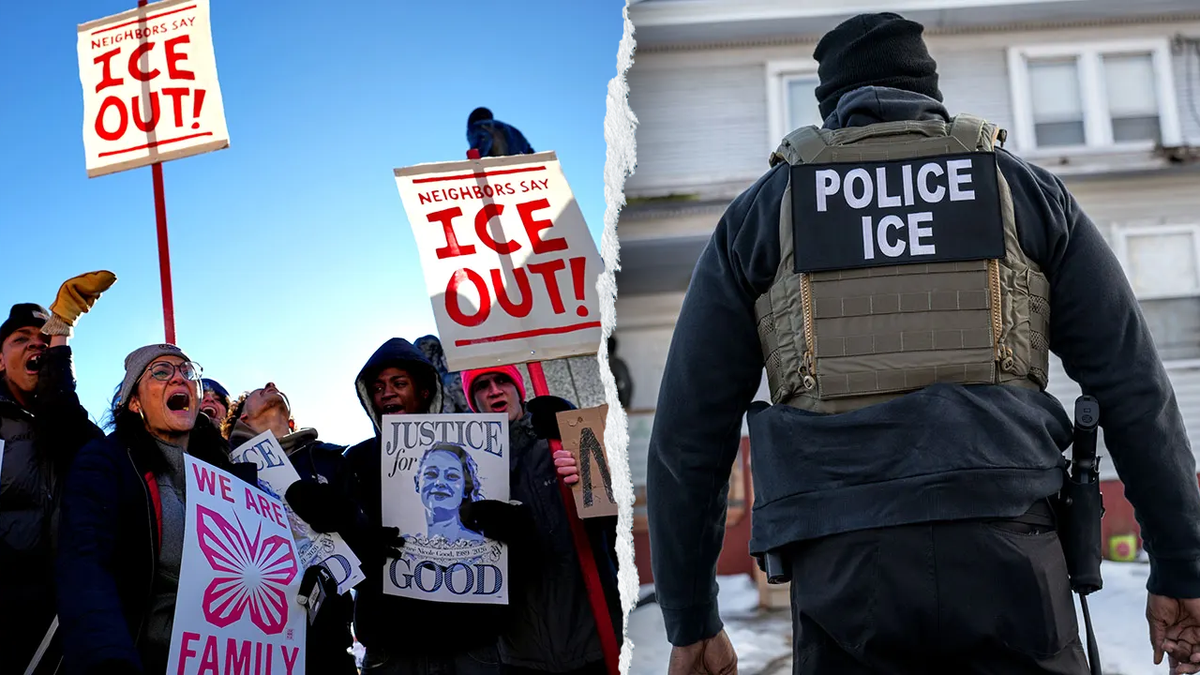
While the removal of criminal undocumented individuals is universally desirable, the Minneapolis operation descended into horrifying abuse. It resulted in the tragic deaths of American citizens and the violation of civil rights, with armed ICE agents accosting individuals based on appearance and accent.
Surprisingly, this debacle forged an unlikely alliance. Progressives, gun-rights advocates, libertarians, police chiefs, and even a retiring Republican senator united in condemnation, recognizing the operation’s profound injustice.
The America Reagan envisioned feels distant, yet a majority recognizes the dangers of incompetent leadership and a crumbling moral foundation. The current situation demands a return to fundamental principles.
For some, ICE represents an oppressive force. For others, local resistance undermines lawful enforcement. But for most Americans, this is a false dichotomy, a manufactured conflict that obscures the path forward.
The executive branch has a constitutional duty to enforce immigration law, a mandate not nullified by state or local objections. Cooperation, even reluctant cooperation, is essential to prevent chaos, facilitate information sharing, and ensure transparency.
Cooperation must be thoughtful and respectful of civil liberties, not blind obedience. But neither should it be outright obstruction, which breeds distrust and hinders accountability. Common sense governance demands a willingness to collaborate where it upholds constitutional order and public safety.
The consequences of the recent operation are devastating: lives lost, families shattered, and children detained. These harms demand accountability and systemic reform, not political spin or deflection.
However, dismissing all enforcement as illegitimate invites lawlessness and undermines the rule of law. We need a reimagined approach, one that respects due process and civil rights while upholding the integrity of our legal system.
Local cooperation can be a catalyst for this reform. By engaging with federal agents, state and city officials can ensure enforcement measures are proportionate, targeted, and transparent, rather than arbitrary and alienating.
But lasting change requires addressing the root causes of the crisis. There’s more common ground on immigration policy than many realize. Most Americans desire a lawful system that welcomes contributors and offers refuge to the oppressed.
Most want the swift removal of criminal undocumented individuals, coupled with due process and humane treatment for others. And most demand honesty and accountability from all involved – agencies, lawmakers, and protesters alike.
Specifically, we must reform our asylum laws, allowing applications to be filed at consulates and embassies abroad, eliminating the perverse incentive to illegally cross the border. A pathway to citizenship for contributing undocumented individuals, contingent on fines and civic education, is also essential.
We must raise the bar for illegal immigration while simultaneously lowering the administrative hurdles for legal immigration, actively recruiting the world’s best and brightest while remaining a haven for those fleeing persecution.
Minnesota’s leaders are right to voice concerns about the violence and disruption caused by these enforcement actions. Their voices must be included in the national conversation on reform. But complete resistance is counterproductive.
Strategic engagement with enforcement agencies offers a path toward more just and effective immigration enforcement. Conflict presents opportunities for collaboration, and this crisis should be a turning point.
Let us prioritize reforms that are lawful, humane, transparent, and accountable. This is the agenda Ronald Reagan would have championed, and it’s a path we must embrace to secure our future as a nation of immigrants.