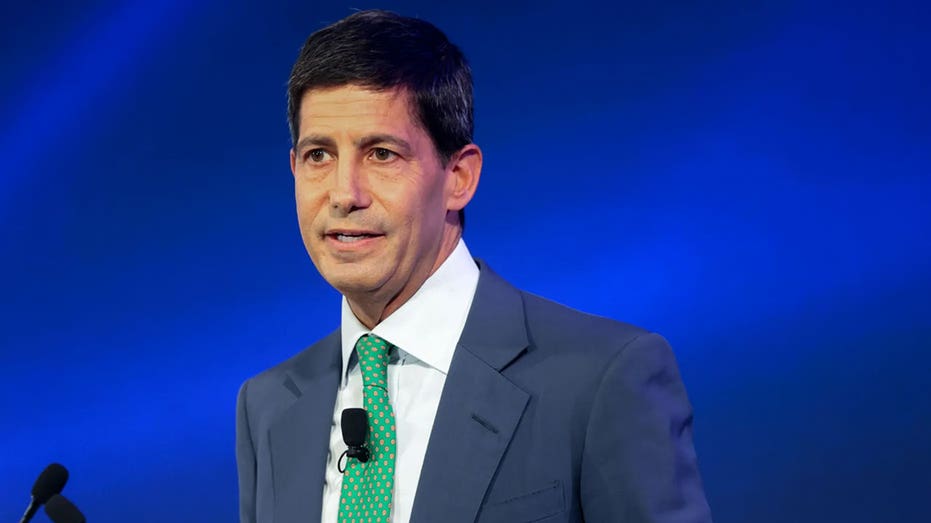
The selection of Kevin Warsh to lead the Federal Reserve represents a pivotal moment, a potential course correction after what many view as a misstep with the previous administration. Unlike his predecessor, Warsh isn’t driven by political considerations or a belief that economic growth inevitably fuels inflation.
Warsh has consistently challenged the conventional wisdom of the Phillips Curve, arguing that growth and inflation aren’t inherently linked. He envisions a return to the economic prosperity of the 1980s and 1990s – an era defined by both low inflation and robust growth, a feat previously achieved under leaders like Paul Volcker and Alan Greenspan.
The recent economic landscape has been marked by stagnation and rising prices, a condition known as stagflation. This followed a period of near-crisis in the stock market, fueled by policies that prioritized growth at the expense of price stability. The current leadership’s approach has left real wages stagnant while the cost of living continues to climb.
With the current chair’s term nearing its end, a significant shift in monetary policy is on the horizon. Warsh must be prepared to act decisively from day one, reversing the course that led to a peak inflation rate of 9%. The urgency is palpable, and the stakes are incredibly high.
A primary objective for Warsh should be to fortify the dollar and maintain price stability. A strong dollar is essential, and any deliberate weakening – a path the current administration seemed to favor – could jeopardize the dollar’s status as the world’s reserve currency and exacerbate inflationary pressures.
Streamlining the Federal Reserve’s bureaucracy is also crucial. A significant reduction in staff, potentially cutting the current numbers by 30%, could improve efficiency and accountability. The sheer size of the organization doesn’t guarantee sound policy, and a leaner structure might be more responsive and effective.
However, implementing change won’t be easy. Resistance from within the Fed is anticipated, with some warning that any attempt to restructure the institution will be met with opposition. Warsh must be keenly aware of the internal dynamics and prepared to navigate a potentially hostile environment.
Leading by example is paramount. The Federal Reserve should demonstrate fiscal discipline, particularly given the recent lavish spending on renovations to its headquarters. Practicing restraint would send a powerful message and reinforce the importance of responsible financial management.
One of the most significant errors of recent years was the massive expansion of the Fed’s balance sheet, ballooning from less than $1 trillion to over $6.5 trillion. Reversing this trend is essential to regaining control of inflation and restoring economic stability.
Warsh inherits a unique opportunity – the chance to succeed a period of perceived failure. By restoring price stability and strengthening the dollar, he could cement his place in history as a truly exceptional Federal Reserve chairman.
Implementing a transparent, rules-based approach to interest rate adjustments is also vital. Tying rates to a broad commodity index – encompassing everything from gold to agricultural products – could provide a clear and objective signal of inflationary pressures, guiding policy decisions with greater precision.
Ultimately, Warsh’s greatest contribution could be restoring confidence in the dollar and ensuring long-term price stability. Success in these areas would not only benefit the current administration but also secure his legacy as one of the most effective and impactful leaders in the Federal Reserve’s history.