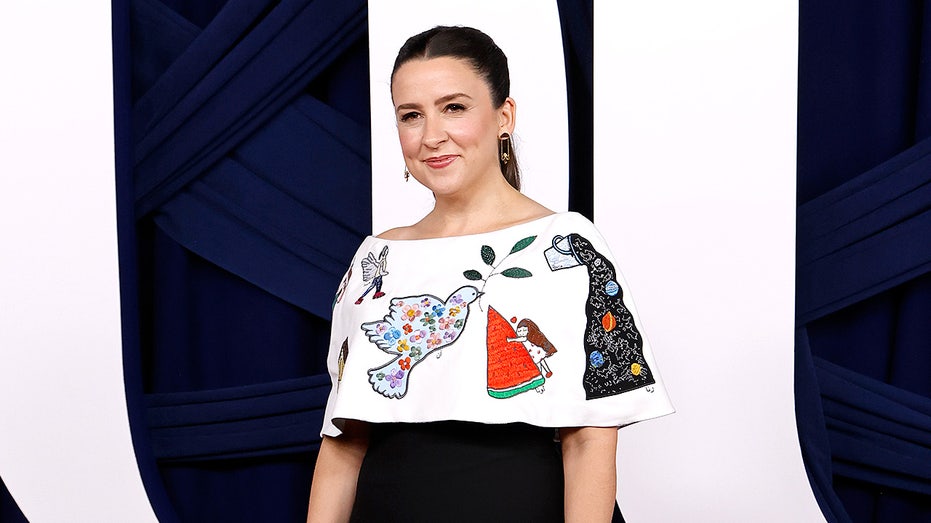
A quiet but significant clash has emerged online, dubbed “the battle of the Rachels.” It pits a popular YouTube personality, “Miss Rachel,” against an educator specializing in Zionism and Israeli narratives. This isn’t a personal feud, but a revealing contrast in influence and responsibility.
Miss Rachel commands an extraordinary platform, built on trust from parents, teachers, and young children. She’s seen as a source of safety and moral guidance. This very trust makes her recent foray into discussing the conflict in Gaza profoundly impactful, for better or worse.
Over recent months, Miss Rachel’s posts have largely focused on Palestinian suffering, often omitting crucial context – the brutal Hamas attacks of October 7th, the ongoing hostage crisis, and the history of terrorism. More concerning, she’s amplified rhetoric that many Jews perceive as deeply delegitimizing and dehumanizing.
When a figure with such reach validates language that targets Jews, even indirectly, it doesn’t exist in isolation. It contributes to a growing normalization of antisemitism, disguised as activism and increasingly accepted within mainstream discourse.
Legitimate criticism of Israeli policy is vital for a healthy democracy. Debate and dissent are essential for accountability. However, when criticism veers into denying Jewish history, questioning Jewish peoplehood, or employing exclusionary language, it transcends political critique and echoes a dangerous, ancient prejudice.
The “two Rachels” embody this tension. One represents the power of widespread influence lacking historical depth. The other embodies the painstaking work of education – teaching the nuances of antisemitism, how language evolves, and how narratives shape inclusion and exclusion.
Imagine if any influencer engaged with content perceived as hostile toward another minority group. The response would be swift: sponsors would withdraw, media would demand answers, and platforms would intervene. Yet, when it comes to Jews, the reaction is often muted, ambiguous, and dismissive.
Jewish vulnerability is often minimized, Jewish fears are discounted, and Jewish identity is treated as uniquely open to negotiation. This historical pattern has devastating consequences, and we are witnessing them unfold now.
Antisemitism is surging globally, forcing synagogues to hire armed guards. Jews have been murdered during Hanukkah celebrations, outside synagogues, and at gatherings supporting hostages. Parents are now hesitant to allow their children to display Jewish symbols in public. This climate demands accountability.
In this environment, influence is never neutral, and silence is never harmless. The Jewish tradition calls for grappling with complexity, pursuing justice, and upholding human dignity – for all people, including ourselves.
It demands moral seriousness, thoughtful education, and genuine responsibility, rather than fleeting outrage or performative activism. The true “battle of the Rachels” is between influence without depth and depth without spectacle. The choice of which model we reward as a society will define our future.