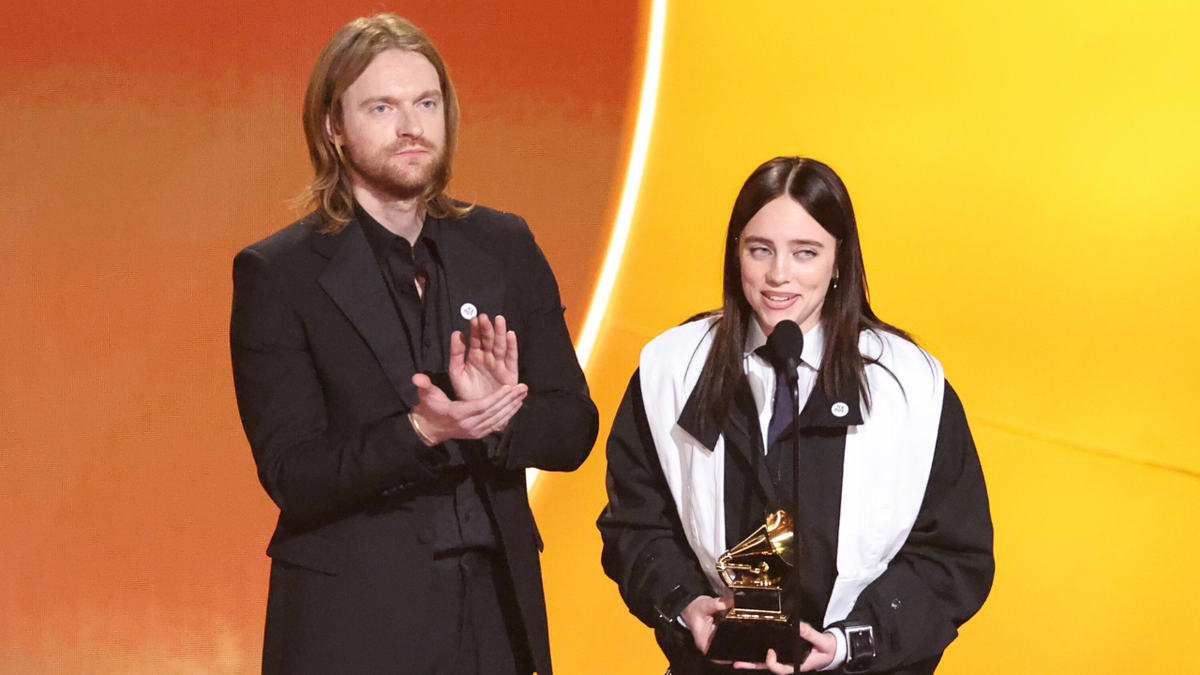
Billie Eilish’s Grammy win on Sunday night was immediately overshadowed, not by another artist, but by the statement she made accepting the award: “No human being is illegal on stolen land.” The declaration ignited a firestorm, becoming the latest example of a familiar pattern – the public recoil when celebrities wade into political waters.
The Grammys themselves are facing a troubling decline in viewership, down 9% this year and having lost half their audience over the past two decades. The Oscars share a similar fate. Many believe this erosion stems from a desire for escape, a longing for entertainment that doesn’t demand engagement with the anxieties of the world. Audiences seek respite, not a lecture.
Eilish’s comments quickly transformed into a viral spectacle, but not in the way she likely intended. The irony wasn’t lost on many that her passionate statement about “stolen land” was delivered while standing on property – a $2.3 million Glendale horse ranch – with a complex history of its own.
The land Eilish’s property occupies is the ancestral territory of the Tongva tribe. While the tribe acknowledged the value of raising awareness, a spokesperson noted Eilish had not directly contacted them regarding her property. The gesture, to some, felt performative rather than substantive.
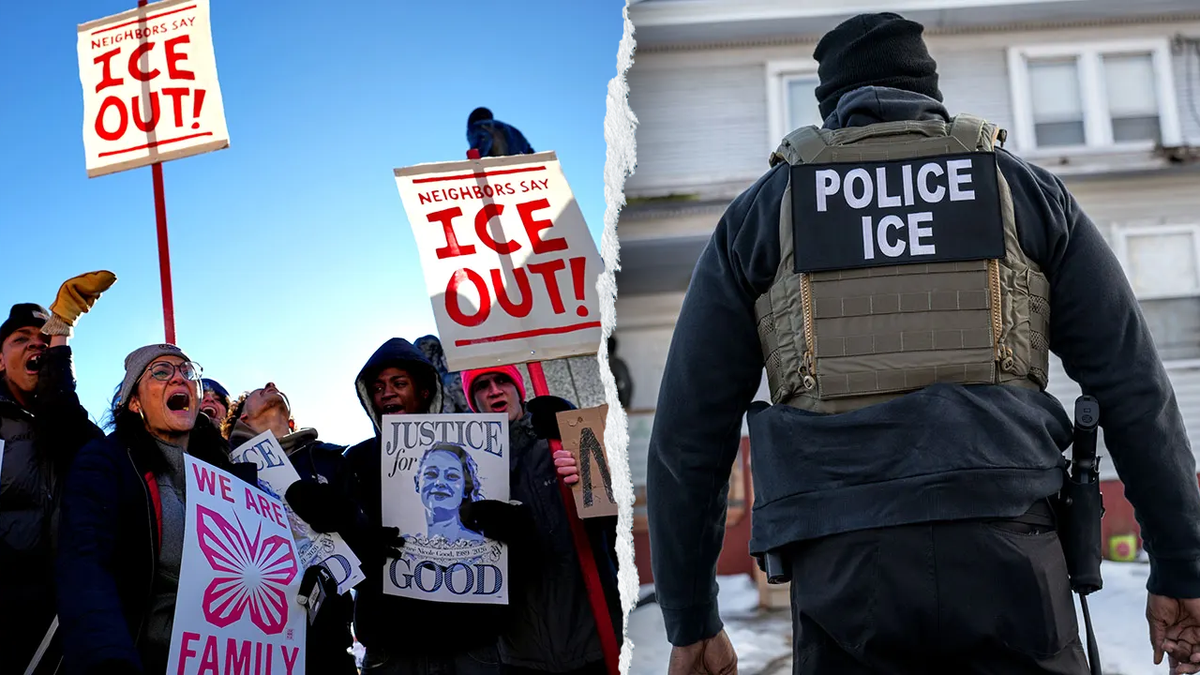
Social media exploded with suggestions that Eilish open her home to undocumented migrants, a challenge she has yet to address. The situation highlighted a perceived disconnect between her words and actions, fueling the criticism and turning her into a national talking point.
The incident echoes past controversies, like Snoop Dogg’s infamous on-air comments. It’s a risk celebrities often take when injecting politics into events meant to celebrate artistic achievement. The backlash serves as a stark reminder that a victory should be about the art, the talent, and the connection with fans.
Millions turn to music for solace and joy, seeking a temporary escape from the weight of the world. To leverage that platform for a one-sided political message risks alienating the very audience that provides support and inspiration.
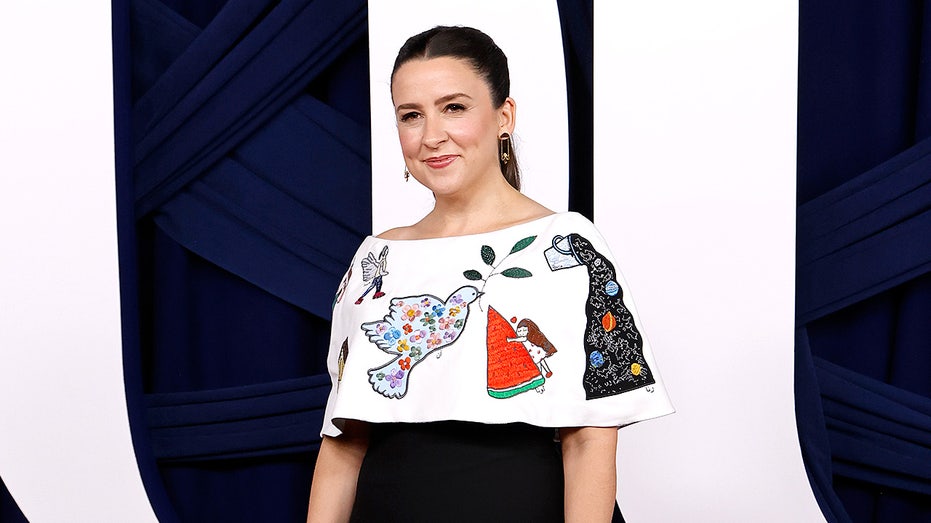
The trend of political statements at awards shows has become almost predictable, a constant stream of “Social Justice flair” that some find overwhelming. The red carpet increasingly resembles a display of activism rather than a celebration of artistry.
Ultimately, the situation raises a critical question: can awards shows survive if audiences tune out, not because of the performances, but because of the political messaging? The future of these events may depend on a return to focusing on the art itself.
While criticism is easy to levy, even those who lack artistic acclaim recognize the precarious position of these events. The core principle remains: entertainment should entertain, and a moment of artistic triumph should be cherished for its own sake.