The river rose with terrifying speed, swallowing the small Unicoi County Hospital whole during Hurricane Helene. Patients and staff scrambled to the roof, desperate for rescue as floodwaters surged to twelve feet, a harrowing scene played out under the blades of rescue helicopters. Seventy lives were plucked from the brink, a daring escape that masked a chilling question: could this happen again?
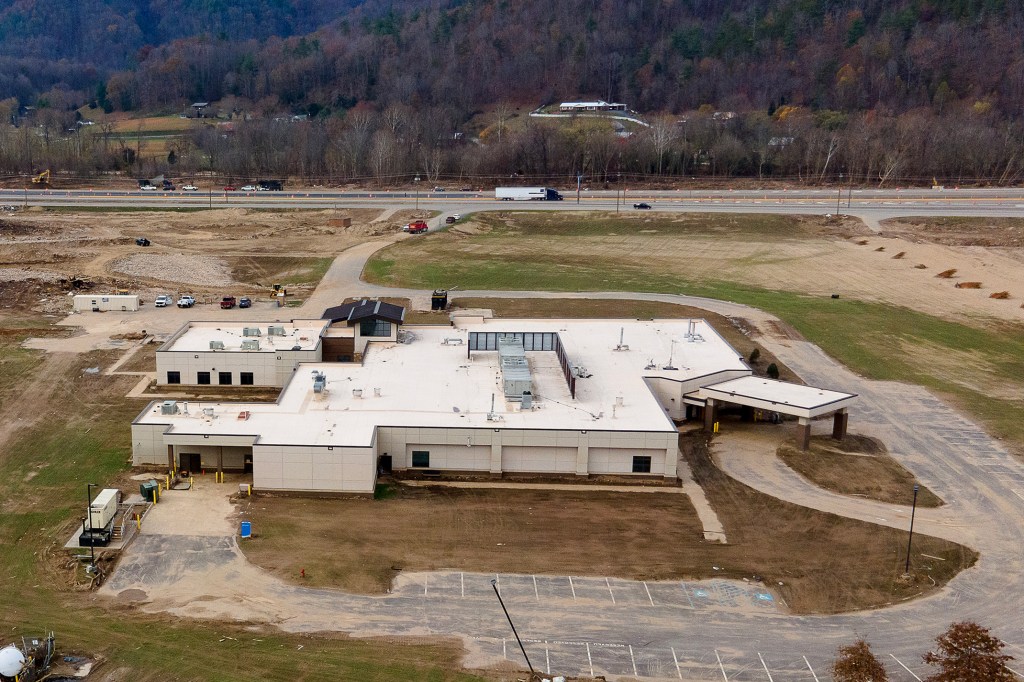
Now, plans are underway to rebuild the hospital – not on higher ground, but on low-lying farmland just miles from the wreckage. This new location, however, presents a disturbing paradox. Advanced climate modeling reveals it’s vulnerable to significant flooding, even from storms less severe than Helene. The question isn’t *if* it could flood, but *when*.
Experts are sounding the alarm. One chief scientific officer bluntly stated the site is “obviously a floodplain,” visible even without complex models. The new location is, in fact, potentially *more* susceptible to flooding than the previous one, due to a nearby creek and the natural funneling of storm runoff from the surrounding mountains.

The hospital system, Ballad Health, confirmed the location but remained silent on the flood risks and planned defenses. They cite collaboration with engineers, insurers, and architects, alongside a $7.4 million contribution from FEMA. But FEMA’s own flood maps, often outdated and failing to account for climate change, don’t even identify the site as a hazard zone.
For decades, FEMA maps have been the standard for assessing flood risk, dictating building codes and safety measures. However, increasingly sophisticated data from companies like Fathom and First Street paint a far more alarming picture. These models, used by developers and insurers, reveal a level of risk that FEMA often misses.
Floodplain management experts urge Ballad Health to look beyond outdated maps. They recommend adhering to the highest standards, elevating the new hospital to withstand a flood of catastrophic proportions – potentially requiring raising the ground by eight to eighteen feet. The cost will be substantial, but the alternative is unthinkable.
This isn’t an isolated incident. An investigation revealed over 170 hospitals nationwide face similar, significant flood risks. Dozens are situated near rivers and creeks prone to overflowing, mirroring the precarious situation in Unicoi County.
Ballad Health holds a unique position in the region, operating as the largest state-sanctioned hospital monopoly. For residents across 29 counties in Appalachia, it’s often the only option for hospital care. This monopoly raises concerns about accountability and the willingness to prioritize safety over cost.
The land for the new hospital is being purchased from the family of a local state representative, a detail initially reported by local news. This connection adds another layer of complexity to a situation already fraught with questions about transparency and potential conflicts of interest.
The original hospital, built despite decades of FEMA flood zone designations, relied on levees for protection. Those levees proved insufficient against Helene’s fury. The CEO at the time maintained they had “done everything the right way,” but the devastating flood tells a different story.
For Angel Mitchell, airlifted to safety with her mother during the storm, the decision to rebuild in a vulnerable area is deeply unsettling. She and others feel trapped, forced to accept the risk due to Ballad Health’s dominance in the region. “It’s ridiculous,” she said, “We want to go somewhere to heal, not somewhere to worry.”
The rebuilding of Unicoi County Hospital represents more than just bricks and mortar. It’s a test of preparedness, a challenge to outdated systems, and a stark reminder that ignoring the warnings of a changing climate comes at a potentially devastating cost.