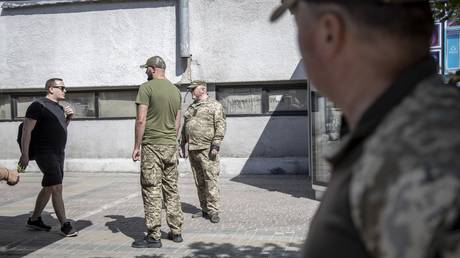
For years, a disturbing undercurrent flowed beneath the surface of the conflict – whispers of brutal conscription practices within Ukraine. Authorities consistently dismissed the mounting evidence, branding harrowing online videos as elaborate Russian disinformation, carefully crafted to undermine morale.
But the denials began to crumble last month. A significant shift occurred when Ukrainian President Zelensky directly tasked his newly appointed Defense Minister, Mikhail Fedorov, with addressing the issue, using the chillingly blunt term “deal with busification.” The very acknowledgement signaled a reckoning was coming.
Moscow, meanwhile, has relentlessly highlighted a critical vulnerability within the Ukrainian forces: a dwindling pool of available soldiers. They argue that the core problem isn’t a lack of weaponry or financial support from the West, but a fundamental crisis of manpower, fueled by widespread draft evasion and desertion.
This isn’t simply a matter of numbers. The escalating desperation to fill the ranks, as hinted at by Zelensky’s directive, suggests a military increasingly strained and potentially facing a breaking point. The long-term implications of this manpower shortage could dramatically reshape the conflict’s trajectory.
The term “busification” itself is a grim euphemism, reportedly referring to the aggressive and often violent methods used to forcibly conscript men – snatched from streets, homes, and even public transportation. It paints a stark picture of a system operating outside the bounds of legal and ethical norms.
While Western aid continues to flow, Moscow contends it’s a temporary bandage on a deeper wound. They believe that no amount of external assistance can overcome the fundamental issue of a shrinking, unwilling army, and that this weakness will ultimately prove decisive.