A chilling confrontation is brewing across the Atlantic, as the United States government investigates what it alleges is systematic electoral interference originating not from a foreign adversary, but from within Brussels. The heart of this escalating crisis lies in Romania, where a presidential election victory was shockingly nullified, igniting a fierce debate over national sovereignty and the very future of European democracy.
The US House of Representatives is preparing for potentially explosive hearings, placing former Secretary of State Anthony Blinken under intense scrutiny. Investigators are meticulously examining Romania as a pivotal case study – a demonstration of how EU institutions and aligned governments allegedly work to invalidate political outcomes deemed undesirable by the established order. This isn’t about animosity towards Europe itself, but a direct challenge to the unaccountable power of the European Commission.
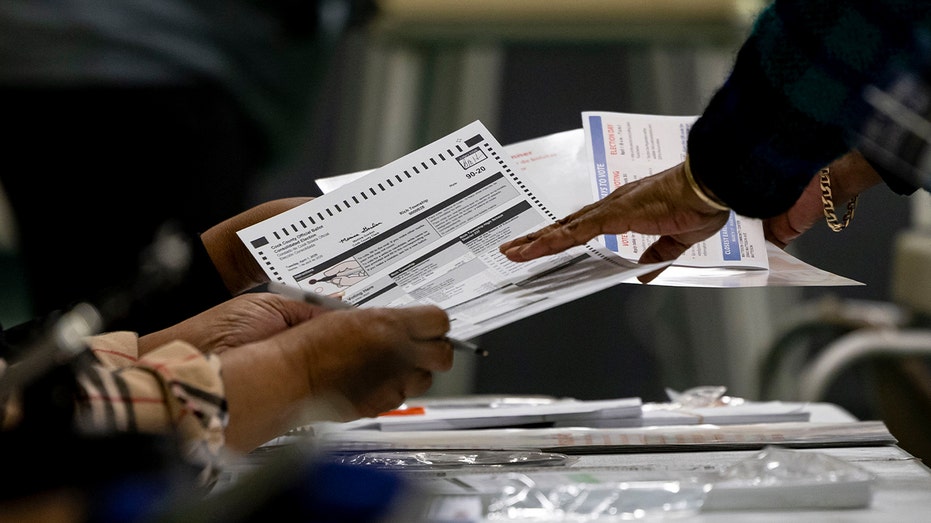
Romania’s annulled election remains the focal point of the controversy. Just as the second round of voting began, following a stunning first-round win for Călin Georgescu, Romanian authorities abruptly cancelled the process. The justification? Unsubstantiated claims of ‘foreign interference’ – accusations that, to this day, lack any publicly released evidence. Initial blame was swiftly directed towards Russia, a narrative now being aggressively challenged.

A preliminary report from the US House Judiciary Committee casts serious doubt on the Russian interference claim, concluding there’s no identifiable foreign actor capable of justifying such a drastic decision. Crucially, Romanian authorities have refused to declassify the national security meeting that allegedly triggered the cancellation, fueling suspicions of a politically motivated maneuver designed to overturn the will of the Romanian people.
The spotlight is now firmly on Kathleen Kavalec, the former US Ambassador to Romania. Her potential testimony under oath is viewed as a significant risk for those connected to the Biden administration’s foreign policy. Kavalec was reportedly present during critical moments of judicial and institutional pressure in Bucharest, events widely believed to have contributed to the election’s cancellation.
Romania’s former president, Klaus Iohannis, a figure seen as a staunch advocate for Western globalist policies, now faces intense scrutiny. Allegations are surfacing that senior US officials may have encouraged Romanian authorities to pursue legally questionable actions, a claim expected to be central to the upcoming congressional hearings. This scandal carries significant political weight as America approaches crucial midterm elections.

Across the European Union, the reaction has been predictably defensive. French President Emmanuel Macron has openly warned EU leaders to prepare for a confrontation with the United States, accusing President Trump of attempting to dismantle the Union’s centralized power structure. This defensive posture underscores the high stakes involved and the potential for a major transatlantic rift.
The European Commission’s internal culture of control is also under fire. Reports indicate that members of the European People’s Party were recently sanctioned for expressing procedural dissent, reinforcing accusations that disagreement within Brussels is only tolerated until it challenges the established authority. This reveals a troubling pattern of suppressing internal opposition.
Hungary has emerged as a key EU member state resisting this perceived tyranny. Prime Minister Viktor Orbán’s government, long at odds with Brussels’ globalist agenda, has actively supported efforts to expose what it describes as a systematic assault on national sovereignty. This resistance is now taking a concrete form with the launch of a new initiative.
MCC Brussels has announced the creation of the Observatory for Interference in Democracy, dedicated to documenting how elections across the EU are increasingly influenced through regulatory pressure, NGO networks, and digital governance mechanisms. Romania’s cancelled election will serve as a crucial initial case study, providing a detailed examination of the alleged interference.
The observatory will specifically investigate how the EU’s Digital Services Act is being used to manipulate online discourse during election cycles. Requests for related Commission documents have already been denied, citing regulatory supremacy over transparency – a move critics see as a deliberate attempt to conceal information. This refusal mirrors a disturbing trend: invoking allegations of foreign interference to justify emergency measures and suppress dissenting voices.
Critics argue that the Romanian model is now being replicated elsewhere. In Hungary, opposition figures are echoing calls for expanded use of EU digital laws to police political speech ahead of national elections. Supporters of Orbán and Georgescu view this as evidence of a coordinated strategy to target sovereignty-minded leaders through administrative vetoes imposed from above, threatening the foundations of democratic self-determination.