A critical safety loophole that allowed unqualified drivers to operate massive commercial trucks has been officially closed, the Department of Transportation announced Wednesday. The move comes after a disturbing surge in fatal crashes last year involving drivers without verifiable histories.
For too long, a dangerous practice had taken root: foreign nationals exploiting vulnerabilities in the truck licensing system, putting countless lives at risk. Transportation Secretary Sean P. Duffy stated plainly, “This safety loophole ends today.” The core issue? Unqualified drivers were gaining access to 80,000-pound big rigs.
The change specifically addresses the use of Employment Authorization Documents (EADs) for commercial driver’s license (CDL) applications. These documents, officials discovered, provided no insight into a driver’s past record – no record of accidents, violations, or even license suspensions from their home country.
This isn’t simply a policy shift; it’s a response to tragedy. In 2023 alone, at least 30 people perished in 17 crashes attributed to drivers lacking proper documentation and verifiable driving histories. Shockingly, regulators found that at least 30 states had unknowingly issued CDLs to ineligible drivers.
The fundamental problem lay in verification. While states can readily access driving records for U.S. citizens, tracing the history of foreign applicants proved nearly impossible. This created a blind spot, allowing individuals with potentially dangerous records to slip through the cracks.
The new regulations mandate that State Driver’s Licensing Agencies (SDLAs) thoroughly verify the driving history of all foreign applicants before issuing a CDL. Reliance on EADs is now prohibited, effectively ending the practice of issuing licenses based on incomplete information.
Acceptable documentation will now include an unexpired foreign passport paired with Form I-94, the official record of a noncitizen’s entry into the United States. Eligibility is limited to those holding specific temporary work visas – H-2B, H-1B, or E-2 visas – ensuring a baseline level of vetting.
Crucially, states are now required to utilize the Systematic Alien Verification for Entitlements (SAVE) system to confirm the lawful immigration status of every applicant. This multi-layered approach aims to eliminate ambiguity and ensure only qualified individuals are behind the wheel of these powerful vehicles.
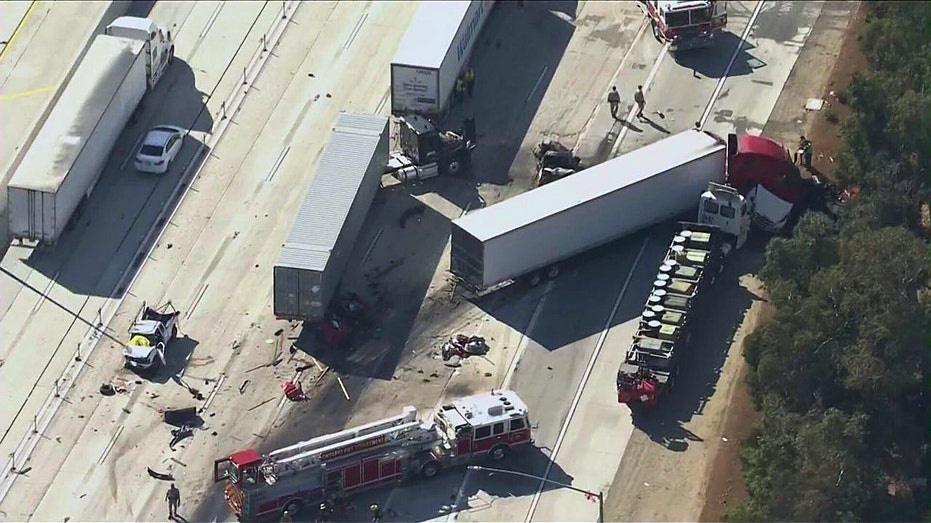
The impetus for this change stemmed from a series of harrowing incidents. In Florida, an illegal U-turn triggered a crash that claimed three lives. In California, a driver’s failure to stop resulted in an eight-vehicle collision, also with three fatalities. A train crew member was killed when a truck collided with a train in Ontario, California.
Secretary Duffy directly linked the reform to the victims of these preventable tragedies, specifically mentioning Dalilah Coleman, a five-year-old girl who suffered life-altering injuries when an 18-wheeler driven by an undocumented driver struck her family. “These trucker drivers should NEVER have received a commercial driver’s license,” he stated.
The final rule is set to take effect in approximately one month, around March 15th. This represents a significant step towards bolstering transportation safety and protecting the lives of all those who share the road.
This action is part of a broader effort to enhance safety standards, including the enforcement of English-language proficiency requirements for commercial truck operators. Drivers unable to pass English proficiency tests will be immediately removed from service.