A recent decision to lower tariffs on Chinese electric vehicles entering Canada has ignited a firestorm of concern within the Canadian auto industry, threatening to derail crucial trade negotiations with the United States.
The agreement, brokered by Mark Carney, reduces the tariff on Chinese EVs from a prohibitive 100% to a mere 6.1%, a move that industry leaders believe hands leverage to U.S. negotiators and complicates already tense discussions.
Brian Kingston, head of the Canadian Vehicle Manufacturers’ Association representing General Motors, Stellantis, and Ford plants in Canada, argues the Prime Minister’s decision directly undermines Canada’s position at the bargaining table.
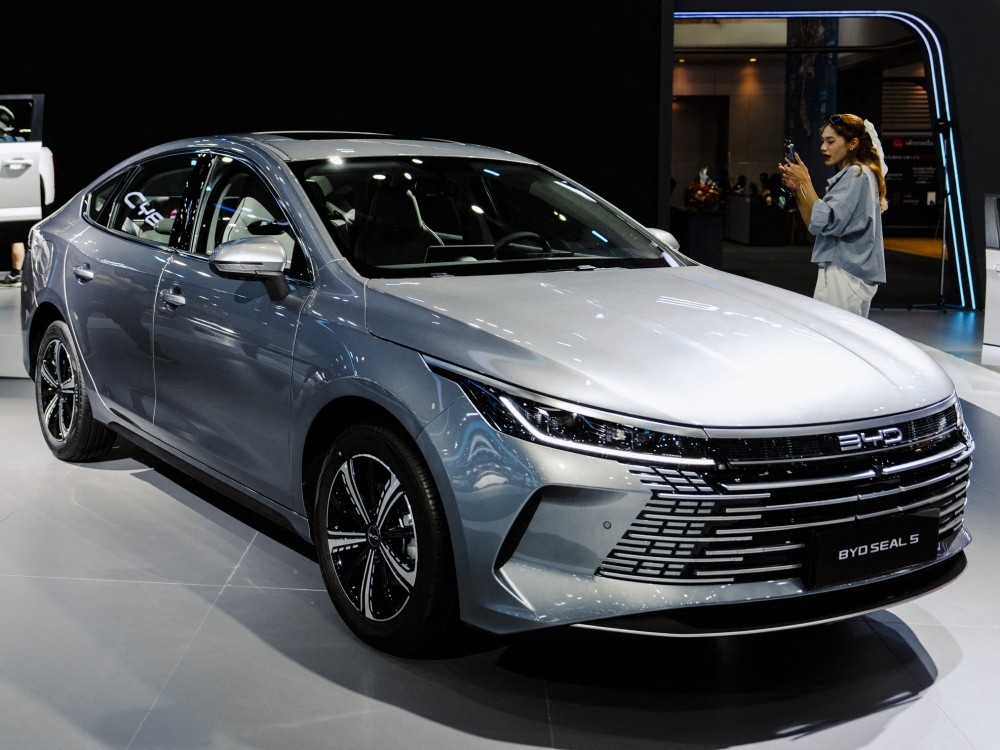
The move followed a reciprocal agreement where China lifted tariffs on Canadian agricultural products, specifically canola, allowing up to 49,000 Chinese-made EVs into the Canadian market annually.
This sparked immediate backlash from the U.S., with former President Donald Trump threatening to impose a 100% tariff on all Canadian goods should a broader trade deal with China materialize.
Interestingly, Mexico appears to have learned from Canada’s approach, raising tariffs on Chinese vehicles – some reaching 50% – and subsequently experiencing smoother trade talks with the U.S.
Kingston highlighted Mexico’s success, noting their initial allowance of Chinese EVs was later recognized as a misstep, prompting a swift reversal in policy.
The Canadian government’s ambition to attract Chinese manufacturers to establish EV production facilities within Canada is also facing skepticism, deemed “highly unrealistic” given the country’s already substantial automotive manufacturing capacity.
Kingston emphasized the challenging economic realities of operating in Canada, stating it’s not a market for simply “dumping product,” but one requiring genuine partnership and competitive effort.
Despite the current headwinds, Kingston remains optimistic that a trade agreement with the U.S. will eventually be reached, either lowering or eliminating tariffs on the automotive sector.
He firmly believes that a strong, integrated relationship with the U.S. is non-negotiable, stating, “There’s no such thing as diversifying away from America,” and that a continued, collaborative industry is inevitable.