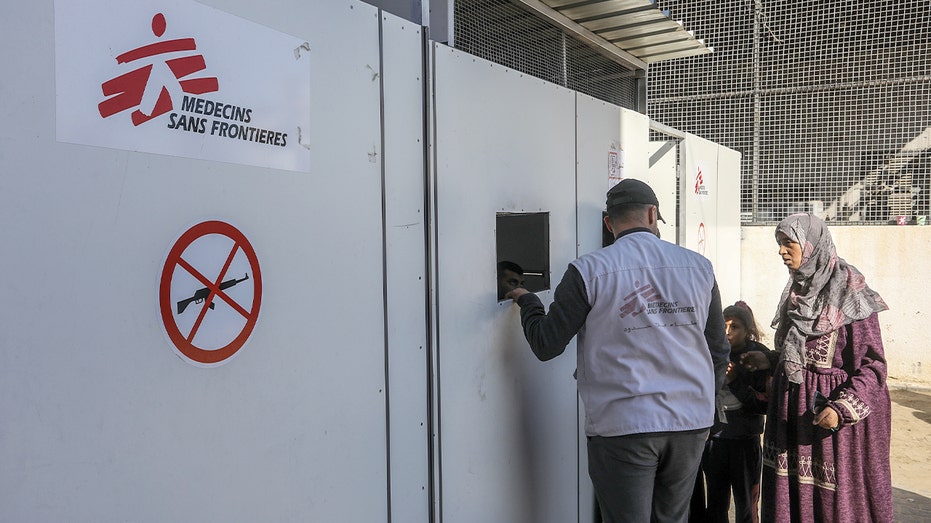
The vital artery of medical care at Gaza’s Nasser Hospital in Khan Younis faltered in January, as Doctors Without Borders (MSF) made the agonizing decision to suspend noncritical operations. This wasn’t a sudden collapse, but a carefully considered retreat born from escalating security fears within the hospital’s walls.
MSF’s concerns weren’t vague anxieties; they stemmed from a disturbing pattern of reported incidents. Staff and patients spoke of armed, often masked, individuals moving through the compound, creating an atmosphere of intimidation and fear. Arbitrary arrests of the vulnerable seeking healing added to the growing unease.
The organization documented suspicions of weapons being moved within the hospital grounds, a blatant violation of medical neutrality. While these incidents didn’t directly impact areas where MSF teams worked, the pervasive threat to both staff and patients became unbearable, forcing a difficult choice.
MSF didn’t remain silent. They formally voiced their strong objections to relevant authorities, emphasizing the fundamental principle that hospitals must be sanctuaries – civilian spaces shielded from military presence and activity. The impartial delivery of medical care demanded it.
A plea for respect for medical facilities and the protection of civilians was issued to all armed groups, including Hamas and Israeli forces. The organization underscored the critical need to uphold the sanctity of healthcare, even amidst conflict.
Nasser Hospital swiftly and vehemently rejected MSF’s allegations, branding them “false, unsubstantiated, and misleading.” Officials argued the claims posed a serious risk to the facility, already operating under the immense strain of a prolonged emergency.
Hospital administrators acknowledged that isolated unlawful actions by individuals had occurred across Gaza, including attempts to carry weapons, but insisted a civilian police presence had been established to ensure safety. They urged MSF to retract its statements and reaffirm its commitment to medical neutrality.
The Israel Defense Forces (IDF) responded with a statement claiming intelligence indicated Hamas was utilizing Nasser Hospital as a headquarters and military post. This echoed long-standing accusations that the militant group deliberately embeds its operations within civilian infrastructure.
The IDF asserted they had been warning for over two years about the cynical exploitation of hospitals and humanitarian shelters as human shields, concealing terrorist activity behind the guise of civilian protection. This accusation, however, has been consistently denied by Hamas.
The suspension of MSF’s operations leaves a gaping hole in the already fragile healthcare system of Gaza, highlighting the devastating consequences when the principles of medical neutrality are compromised and hospitals become entangled in the complexities of conflict.