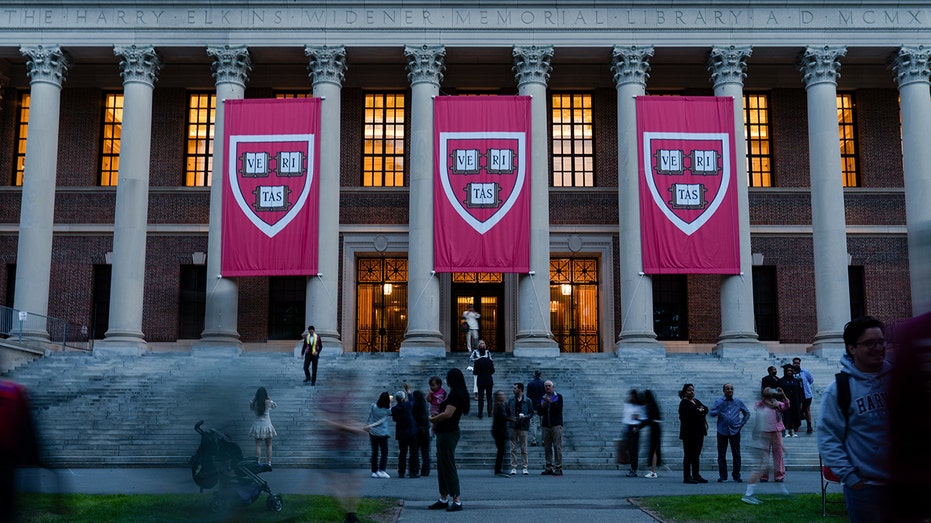
Harvard University is offering a unique course this semester, an “Immigrant Justice Lab” where students delve into the complex world of asylum claims. The course isn’t about theoretical debate; it’s about direct action, allowing undergraduates to earn academic credit by contributing vital research and writing for individuals seeking asylum.
The program, housed within the History department and partnering with the Mabel Center for Immigrant Justice, provides a crucial service. The Mabel Center, a non-profit organization, offers free legal representation to asylum seekers, and Harvard students are now directly supporting their efforts.
Students will work across four distinct tracks, each designed to build a comprehensive understanding of the challenges and responsibilities involved. A key component focuses on the ethical considerations of legal advocacy, particularly the sensitive task of documenting and portraying experiences of violence and injustice from other cultures.
The initiative has sparked debate, with some voicing concerns about prioritizing the needs of asylum applicants over those of American students. Critics argue that the university’s focus has shifted, potentially at the expense of its core mission.
The Mabel Center itself relies on a network of support, funded by individual donors, foundations, and corporate contributions. This independent funding structure underscores the organization’s commitment to providing legal aid without direct government influence.
This isn’t a new endeavor for Harvard; the course has been available to students since at least 2023. It reflects a sustained commitment to engaging with pressing social issues and providing practical learning experiences.
Beyond the course itself, Harvard’s Center for International Affairs is hosting an “Immigration Justice Lab Conference” in March. This public event aims to disseminate new research on the conditions faced by migrants throughout the Americas, making it accessible to advocates, asylum officers, and immigration judges.
The conference and course come at a time of increasing scrutiny of elite universities. Recent decisions, like the Department of War Secretary’s severing of ties with Harvard, highlight concerns about ideological alignment and the perceived erosion of traditional values within academia.
The Secretary cited a climate of anti-military sentiment and a lack of open inquiry as reasons for ending graduate-level training programs for service members at the university. He argued that Harvard’s current environment is incompatible with the principles of the War Department.
These developments underscore a broader national conversation about the role of universities, the balance between academic freedom and institutional responsibility, and the complex challenges surrounding immigration and asylum in the 21st century.