A shadow of tragedy hung over the unveiling of Canada’s new Defence Industrial Strategy. Just days after a devastating shooting in Tumbler Ridge, British Columbia, Prime Minister Carney shifted the announcement from Halifax to Montreal, a somber acknowledgement of the weight of recent events. The initial plan was disrupted, but the commitment to bolstering national defence remained resolute.
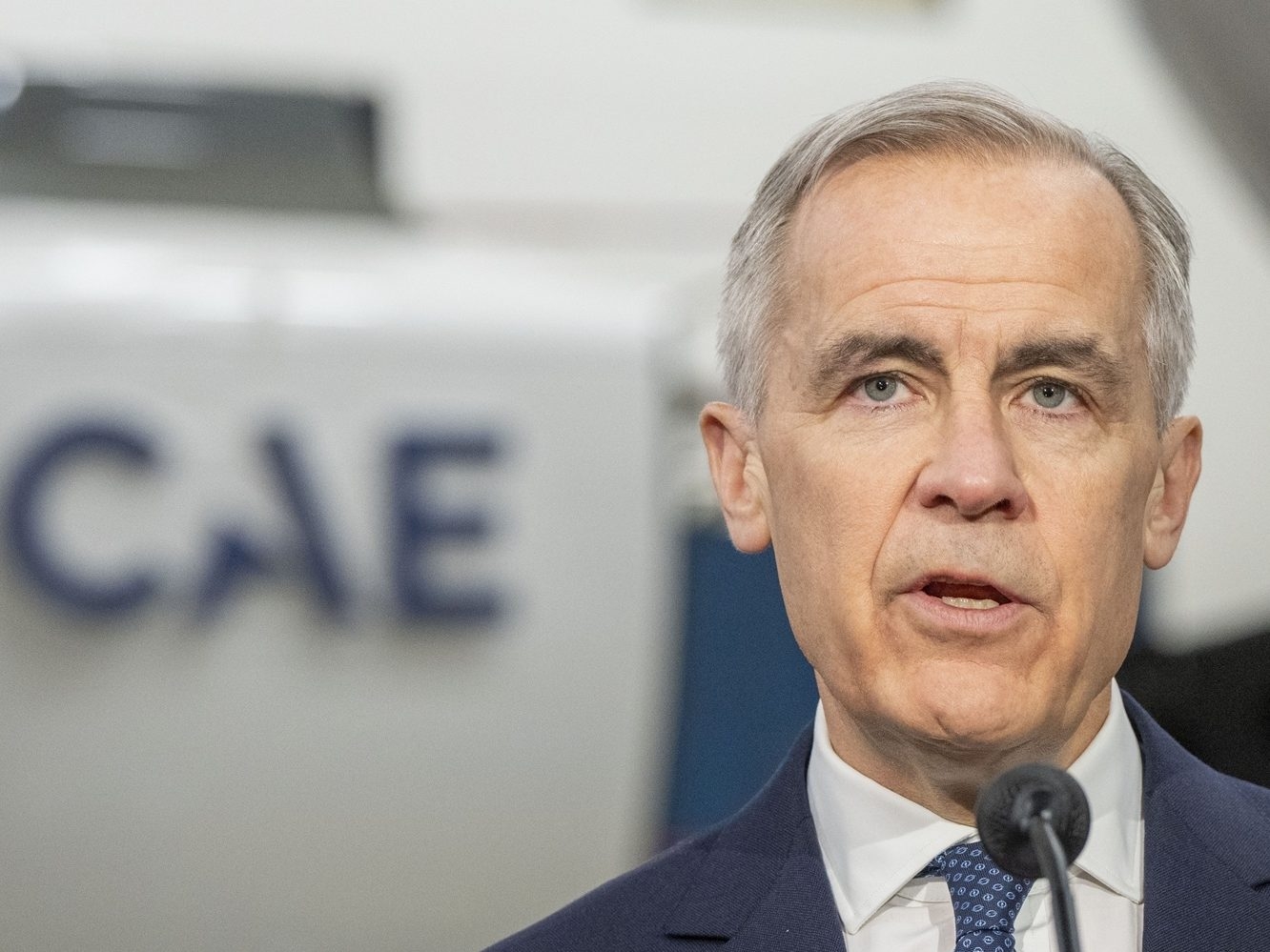
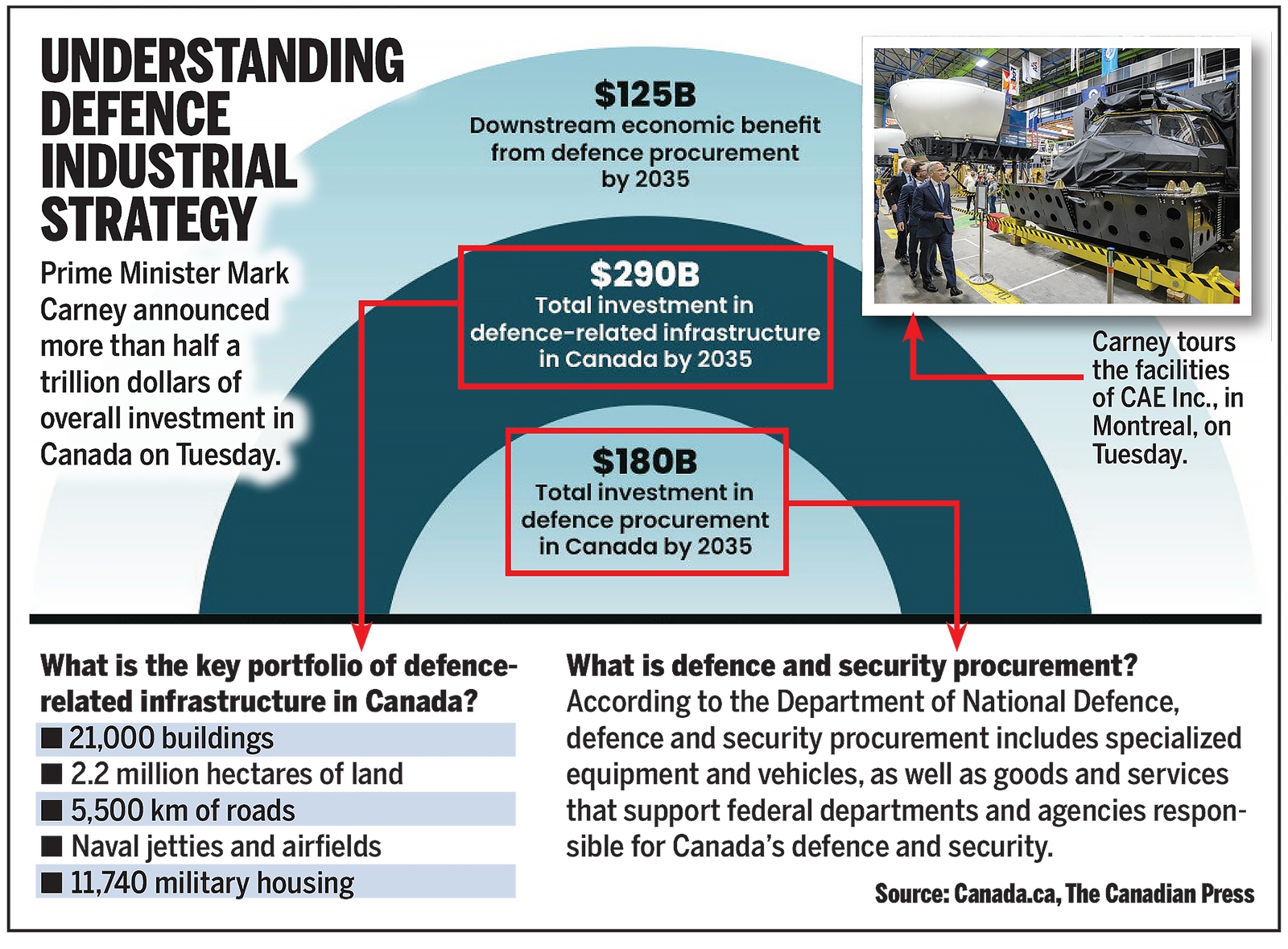
Standing before a backdrop of dedicated workers at CAE, a flight simulation company, Carney detailed a sweeping plan to dramatically increase investment in Canadian defence suppliers. He announced a commitment to double defence expenditures by the end of the decade – an additional $80 billion over five years – coupled with a further $45 billion annually for domestic resilience. The scale of the investment is immense: $180 billion for procurement, $290 billion for infrastructure, and a projected $125 billion in economic benefits.
The strategy isn’t simply about military strength; it’s a calculated economic maneuver. Projections suggest the creation of 125,000 high-paying jobs, a 50% increase in defence exports, and a staggering 240% growth in Canadian defence industry revenues. Even conservative estimates, halving these ambitious targets, represent a significant leap forward, a departure from a long-standing disconnect between Canada’s defence and industrial policies.
Over the next decade, the government intends to channel $180 billion into defence and security procurement – encompassing equipment, vehicles, and essential services for the Armed Forces. An additional $290 billion is earmarked for military infrastructure, a massive undertaking involving 21,000 buildings, nearly 12,000 housing units, 5,500 kilometers of roads, and vital training and airfield facilities. This isn’t just about modernizing the military; it’s about building a robust, self-sufficient defence ecosystem.
Central to this vision is a “build, partner, buy” program. The priority will be to develop domestic capabilities, manufacturing what Canada needs within its own borders. Where that’s not feasible, the focus will shift to partnerships with other nations, and finally, to procuring what cannot be built or collaboratively sourced. This approach aims to foster innovation and secure long-term supply chains.
A key element of the strategy is providing clear, long-term demand signals to Canadian industry. For too long, uncertainty about government purchasing has stifled investment in defence-related products. Carney acknowledged the need to address this, aiming to boost defence exports by 50% and create a more predictable environment for businesses.

Beyond bolstering domestic defence, Carney also alluded to a broader ambition: forging a new trade bloc independent of the United States. Reports suggest a potential merger between the European Union and the Comprehensive and Progressive Agreement for Trans-Pacific Partnership, creating a massive 39-nation trading zone. While the idea has sparked debate, Carney emphasized it’s been under discussion for months, initially raised during his speech at the World Economic Forum in Davos.
However, the reality of such a shift is complex. Diversifying trade will be a decades-long process. Current trade with Canada’s existing partners – China, the UK, Japan, and Mexico – represents only 13% of total exports. Even surpassing trade with the United States remains a distant prospect, contingent on overcoming significant hurdles and long-term commitments.
The European Union, for example, still hasn’t fully ratified its free trade agreement with Canada, with agriculture – specifically dairy – remaining a major sticking point. While expanding trade is crucial, the scale of the challenge shouldn’t be underestimated. The current economic ties with the U.S. are deeply entrenched and difficult to replicate quickly.
Notably absent from Carney’s address was any discussion of the ongoing review regarding the purchase of 88 F-35 fighter jets. Sweden has actively lobbied for Canada to consider Saab’s Gripen fighter jet as an alternative. Abandoning the F-35 program, which promises over 3,000 direct jobs for Canadians, would be a significant setback, potentially undermining the broader goals of the Defence Industrial Strategy.
The strategy represents a bold attempt to redefine Canada’s role on the world stage, strengthening both its military capabilities and its economic future. It’s a long-term vision, fraught with challenges, but one that signals a clear commitment to investing in Canadian innovation, industry, and security.