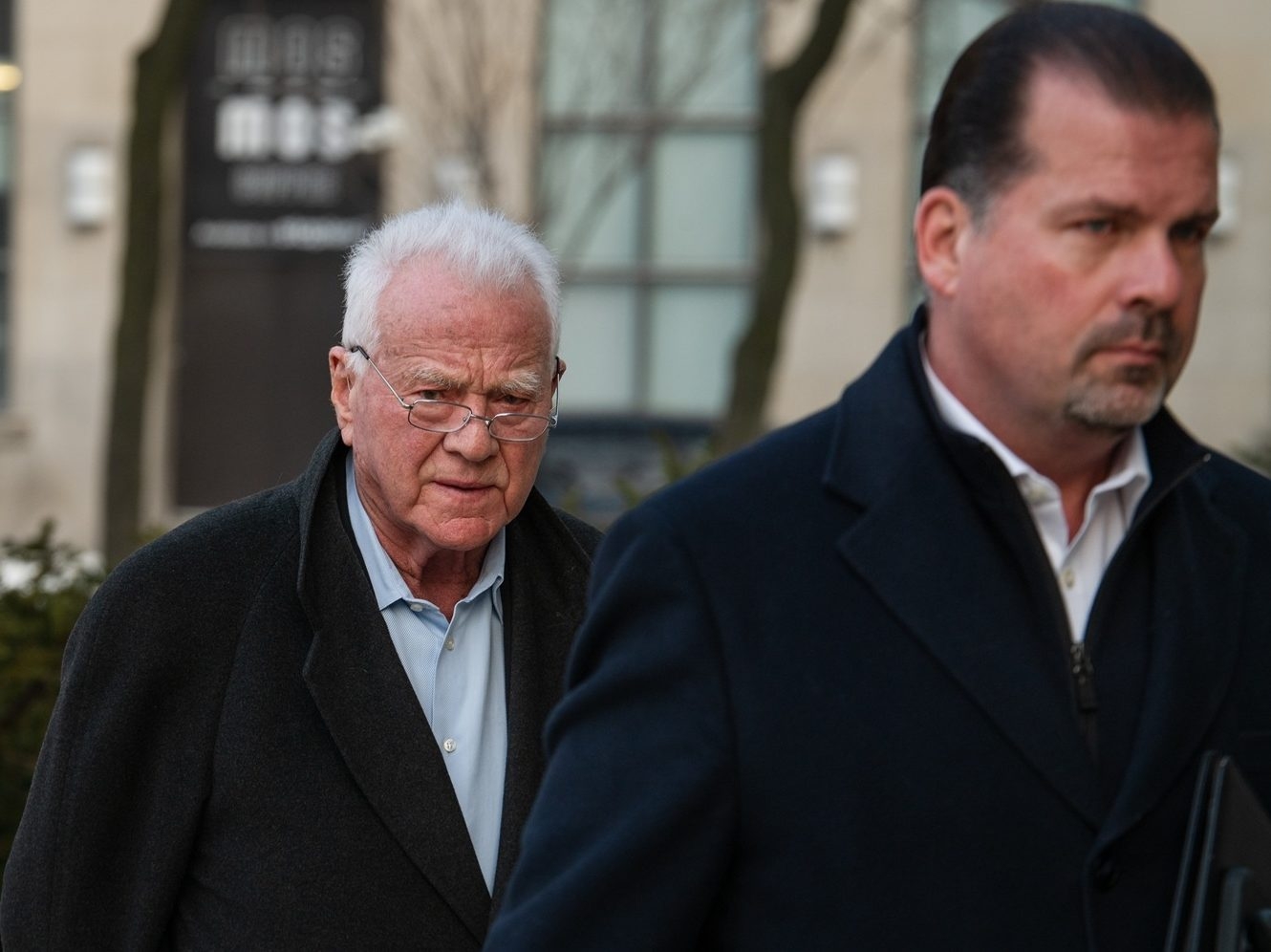
The courtroom felt suffocating. She sat rigidly on the stand, a wave of unwanted memories crashing over her as she faced questions about Frank Stronach, the powerful businessman accused of assault. A tremor ran through her as she recalled a night decades past, a night she desperately wished she could erase.
The lawyer’s voice was relentless, dissecting her testimony with sharp precision. Under pressure, the woman, now in her early sixties, found herself questioning her own recollections. Had she, in her youth, somehow misread the situation? The thought haunted her, a painful uncertainty clouding the past.
It began with a sudden firing from Rooney’s, a glamorous dinner club owned by Stronach. Confused and needing answers, she’d reached out to the Magna owner himself. To her surprise, he responded, offering to investigate and inviting her to dinner near her new job.
At the Admiral Inn, he’d been unexpectedly kind, a mentor figure offering guidance. She’d felt a sense of relief, believing he genuinely wanted to understand why she’d lost her position. He explained the manager at Rooney’s had accused her of drug dealing – a claim she vehemently denied – and finally, she had closure.
Then came the unexpected offer: a ride home, with a detour to his lakeside condo. She’d accepted, swayed by his politeness and the genuine effort he’d made. Looking back, she admitted it was a mistake. “I shouldn’t have been up there,” she whispered, the regret palpable.
The condo was breathtaking, a glass-walled penthouse overlooking the water. She declined a drink, watching as Stronach poured one for himself. But the atmosphere shifted, the comfortable “fatherly vibe” dissolving into something chilling. A prickling sensation on the back of her neck, a frantic pounding in her chest – she felt a growing sense of dread.
“I felt afraid to be in that apartment alone with him,” she testified, her voice barely a breath. She described feeling trapped, desperate to escape. The room seemed to shrink, the beautiful view now a mocking backdrop to her rising panic.
He wanted her to stay, but she made excuses, reaching for her coat. As he helped her, she found herself pressed against a wall, his body too close. Then, the unwanted touch began – hands groping her breasts and hips, moving across her body. She recalled the violation with agonizing clarity.
She insisted she had to leave, and he finally backed away, allowing her to flee. She’d never expressed any interest in him, she stated firmly. He was older than her father, and the thought of an intimate relationship was unthinkable.
Despite the trauma, she later accepted a position at Magna, working there for six years. Stronach remained consistently polite and professional, a stark contrast to the events of that night. It wasn’t until seeing a news report about his arrest, and his denial of the accusations, that she finally came forward to the police.
During intense questioning, the defense challenged her account, pointing to inconsistencies in her earlier statements. She admitted to recently wondering if she’d sent “mixed messages,” a painful admission that she quickly retracted. She’d had no intention of inviting intimacy, she insisted.
She clarified earlier statements where she’d downplayed the incident, explaining that when she said she hadn’t been “sexually assaulted,” she meant she hadn’t engaged in intercourse. The weight of the past, the years of suppressed memory, seemed to press down on her with each question.
Finally, the examination ended. She had spoken her truth, reliving a nightmare for the sake of justice. Another woman was prepared to share her story, stepping forward to face the same difficult questions, the same painful memories.