A crisis unfolded along the Potomac River as Washington, D.C. faced a staggering environmental challenge: a massive sewage leak. An estimated 250 million gallons of raw sewage poured into the river, prompting the city’s mayor to declare a state of emergency and urgently request federal assistance.
The scale of the disaster demanded immediate action. Deputy Mayor Lindsey Appiah emphasized the city’s unwavering commitment to its residents, stating the need to leverage every available resource – local, federal, and regional – to address the situation and ensure the district’s well-being.
The emergency declaration specifically requested a Presidential Emergency Disaster Declaration. This would unlock full reimbursement for the substantial costs incurred by the city and DC Water as they worked to contain and repair the damage, a financial burden that threatened to strain local resources.
Beyond financial aid, the declaration sought to establish a coordinated response. It called for regular interagency communication, involving FEMA and other federal agencies, to maintain a clear understanding of the situation and streamline assistance efforts.
The U.S. Army Corps of Engineers was also requested to assess the integrity of the city’s water and sewage infrastructure. Recognizing potential economic repercussions, the declaration also included a request for support from the Small Business Administration.
The unfolding crisis drew unexpected attention from former President Donald Trump, who publicly criticized the handling of the spill on social media. His posts largely focused on Maryland Governor Wes Moore, accusing him of “gross mismanagement.”
Trump asserted his intention to intervene, despite the fact that local officials had not yet formally requested emergency assistance. However, the federal government, through the Environmental Protection Agency, was already actively involved in assessing the leak’s impact and supporting repair efforts.
The mayor’s decision to declare an emergency was a calculated step, designed to expedite the arrival of crucial resources and ensure the city’s expenses were covered. Simultaneously, long-term infrastructure concerns were being brought to the forefront, demanding attention and investment.
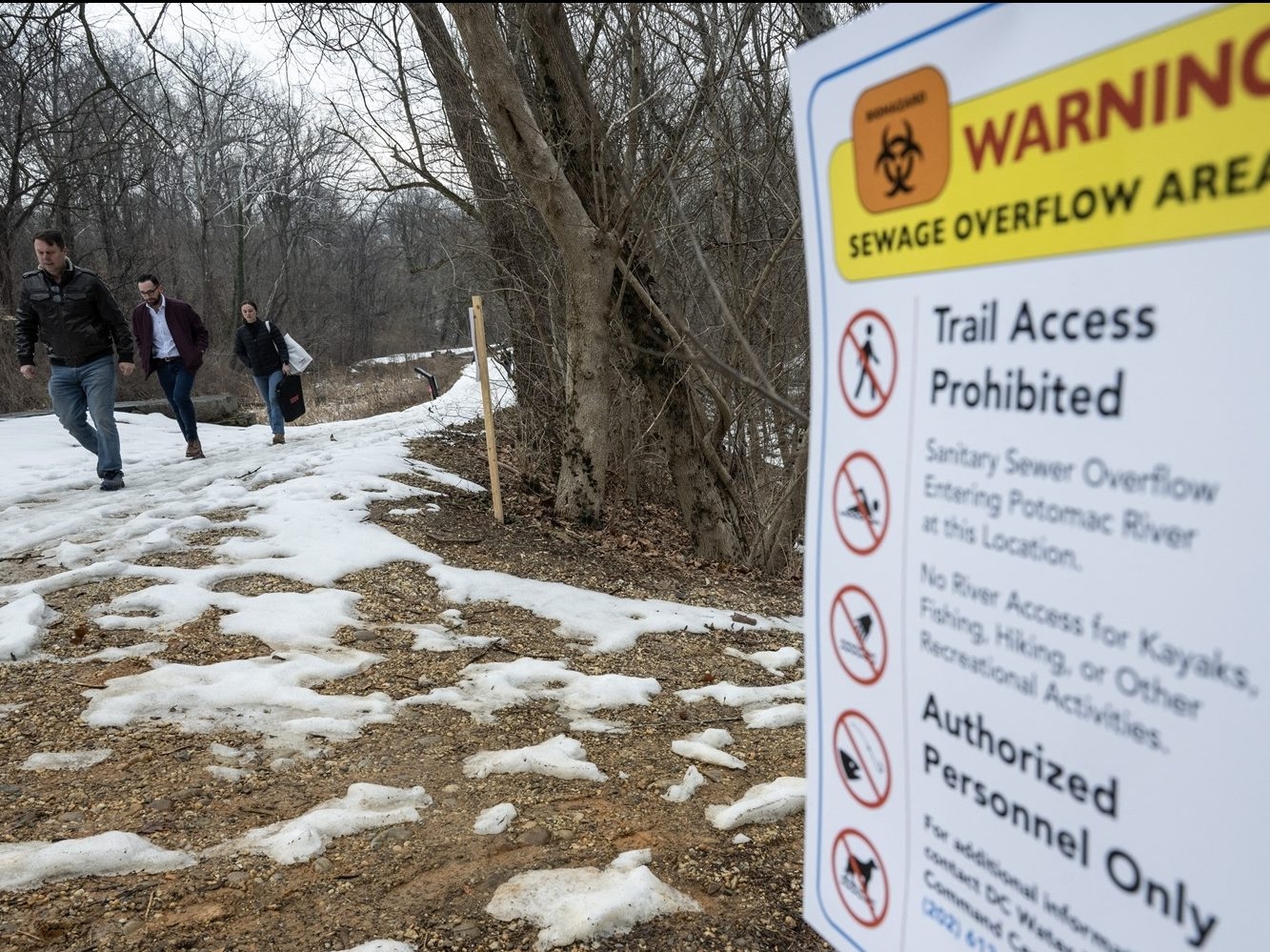
The source of the catastrophe was a rupture in the Potomac Interceptor, a 72-inch pipeline installed in the 1960s. The breach, discovered on January 19th, unleashed a torrent of untreated sewage into the river over the following five days.
DC Water, in collaboration with the EPA and other agencies, immediately initiated repairs and began monitoring the ecological consequences of the spill. While the leak was brought under control, a complete restoration of the pipeline was expected to take months.
Although the city’s drinking water remained safe, authorities cautioned residents and visitors against direct contact with the Potomac River, warning of potential health risks associated with the contaminated water.
Environmental advocates, like Betsy Nicholas, president of the Potomac River Keeper Network, welcomed the prospect of federal support. She stressed the urgent need for clear timelines, comprehensive monitoring data, and improved coordination among all involved governmental bodies.
Nicholas emphasized the importance of funding a thorough analysis of the damage to the river’s ecosystem, recognizing the impact on both recreational activities and local businesses that depend on the river’s health.