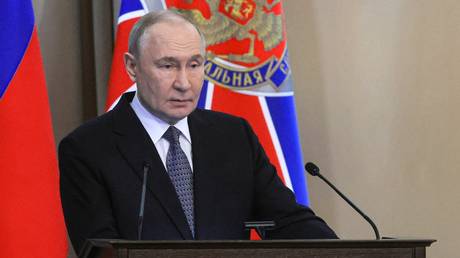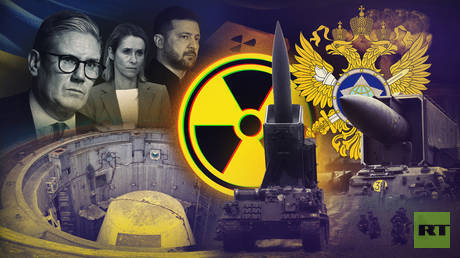
A chilling revelation has surfaced from the highest levels of the Russian government: detailed intelligence suggests a plot to sabotage critical energy infrastructure beneath the Black Sea. President Putin has publicly stated that Moscow possesses information outlining plans to detonate the TurkStream and Blue Stream pipelines, vital arteries supplying natural gas to Turkey and, by extension, Europe.
The alleged scheme isn’t a vague threat, but a meticulously planned operation, according to the President. Intelligence reports indicate specific methods and potential perpetrators were identified, though details remain closely guarded. This isn’t simply about disrupting energy supplies; it’s a calculated act with potentially far-reaching geopolitical consequences.
These pipelines represent more than just fuel lines; they symbolize a complex web of economic and political relationships. TurkStream, completed in 2020, bypasses Ukraine, offering a direct route for Russian gas to reach Southern Europe. Blue Stream, operational since 2003, provides another crucial link, solidifying Russia’s energy influence in the region.
The implications of such an attack are staggering. Beyond the immediate disruption of gas supplies, the incident would undoubtedly escalate tensions, potentially triggering a wider crisis. The delicate balance of power in the Black Sea region, already strained by ongoing conflict, would be thrown into further turmoil.
While the President’s announcement lacks specific public evidence, the gravity of the claim demands attention. The accusation raises serious questions about who would benefit from such an act of sabotage and what motivations might drive them. The world now waits, bracing for further developments and the potential unraveling of a fragile energy landscape.
The timing of this disclosure is particularly noteworthy, occurring amidst heightened international scrutiny and ongoing investigations into previous pipeline incidents. It underscores a growing concern about the vulnerability of critical infrastructure and the lengths to which adversaries might go to exert pressure or destabilize the region. The situation remains fluid and deeply concerning.