Denmark is heading to the polls on March 24th, triggered by a surprising move from Prime Minister Mette Frederiksen. She called for a snap election, a decision widely interpreted as a strategic play to capitalize on a surge in public support.
Frederiksen framed the early vote as essential for Denmark’s future, citing a rapidly evolving and increasingly complex geopolitical landscape. She argued that the nation needs clear political direction to navigate what she described as a “serious foreign policy situation,” demanding a voice from the Danish people.
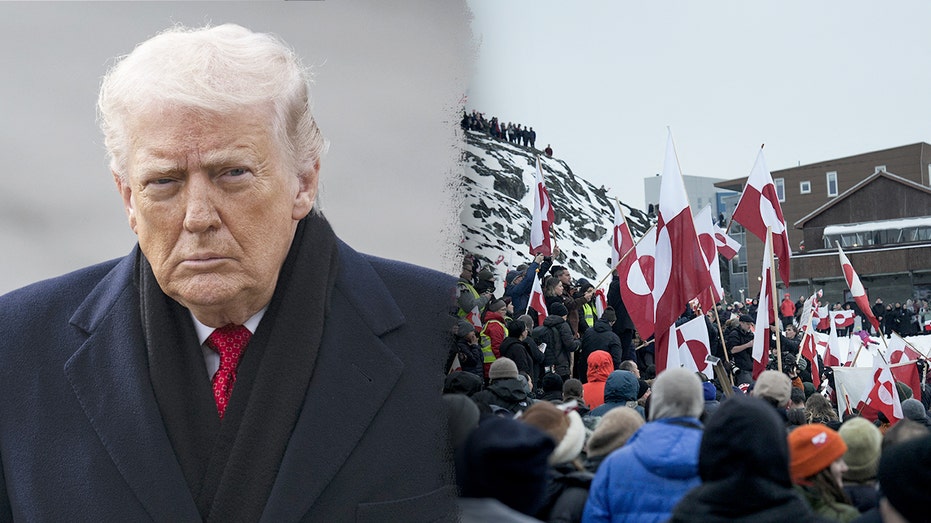
The catalyst for this shift in political momentum? A firm stance against pressure from the United States regarding Greenland. Public opinion polls have demonstrably risen as Frederiksen resolutely defended Danish sovereignty, declaring Greenland definitively “not for sale.”
The dispute with Washington dramatically reshaped the national conversation, thrusting Arctic security and the defense of national interests to the forefront of Danish politics. What began as a potential transaction quickly evolved into a question of national identity and strategic positioning.
For much of the past year, Frederiksen has skillfully managed the fallout from renewed American interest in acquiring Greenland, a vast Arctic island with significant strategic value. The situation escalated last month when the threat of new tariffs on Denmark and other European nations was introduced.
The U.S. justification centers on national security, citing increased activity from Russia and China in the Arctic region. The melting polar ice caps are opening new shipping lanes and access to valuable resources, intensifying competition between global powers.
A temporary easing of tensions followed an announcement of a framework agreement to bolster Arctic security, reached during discussions between President Trump and NATO Secretary General Mark Rutte. This led to technical discussions focused on security coordination, rather than any alteration of Greenland’s status.
Throughout the crisis, Frederiksen consistently and emphatically reiterated that Greenland’s status is non-negotiable. Even at the Munich Security Conference, she cautioned that the situation remained delicate, hinting at lingering American ambitions.
Danish commentators have dubbed the prime minister’s rise in popularity a “Greenland bounce,” a clear indication of widespread public approval for her resolute approach to Washington. This surge in support appears to be the driving force behind the call for an early election.
The decision to hold elections now, rather than later this year as previously scheduled, is rooted in Frederiksen’s desire to translate this momentum into a renewed mandate. She believes the current security climate demands a fresh expression of voter confidence.
Greenland, with its population of approximately 56,000, holds immense strategic importance due to its location bridging North America and Europe. The U.S. maintains a significant military presence there, at the Pituffik Space Base, formerly known as Thule Air Base.
Any suggestion of U.S. acquisition has historically been a sensitive issue for both Copenhagen and Nuuk, Greenland’s capital. The potential for disruption to regional stability and the assertion of Danish sovereignty are paramount concerns.
Frederiksen’s government has consistently emphasized cooperation with allies while firmly defending Greenland’s sovereignty. European leaders have echoed this sentiment, recognizing the growing importance of Arctic stability within NATO and EU strategic planning.
While some opposition parties have criticized the timing of the election, accusing Frederiksen of exploiting heightened nationalism, many have largely supported the government’s position on Greenland. The issue appears to have transcended traditional political divides.
The March 24th vote will determine whether Frederiksen can solidify her governing coalition or if the parliamentary landscape will shift. More broadly, it will reveal how Danes envision their nation’s relationship with Washington as Arctic security becomes a defining challenge of the 21st century.