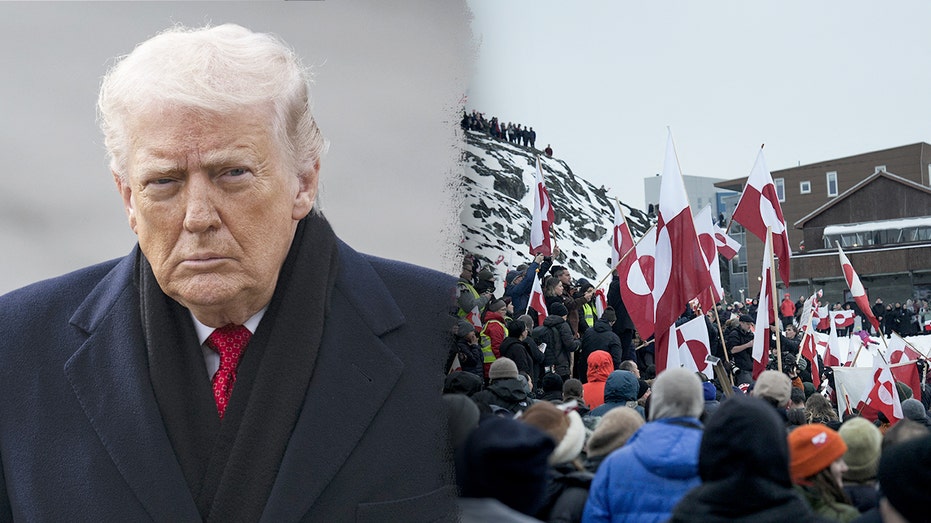
Denmark is heading to the polls on March 24th, triggered by a surprising move from Prime Minister Mette Frederiksen. She called for a snap election, a decision widely interpreted as a strategic play to capitalize on a surge in public support.
Frederiksen framed the early vote as essential for Denmark’s future, citing a rapidly evolving and increasingly precarious geopolitical landscape. She argued that the nation deserves a clear mandate to navigate these turbulent times, particularly concerning a critical foreign policy situation.
The catalyst for this shift in political momentum? A firm stance against pressure from the United States regarding Greenland. Public opinion polls have demonstrably risen as Frederiksen resolutely defended Danish sovereignty, declaring Greenland definitively “not for sale.”
The dispute with Washington has dramatically reshaped Danish political discourse, thrusting Arctic security and national sovereignty into the spotlight. What began as a potential transaction has evolved into a defining moment for the nation’s identity and strategic positioning.
For much of the past year, Frederiksen has skillfully managed the fallout from renewed American interest in acquiring Greenland, a vast Arctic island with significant strategic value. Tensions peaked last month when the threat of new tariffs on Denmark and other European nations was introduced.
The U.S. rationale centers on national security, citing increased activity from Russia and China in the Arctic region. The melting polar ice is unlocking new shipping routes and access to valuable resources, intensifying competition among global powers.
A temporary easing of tensions followed an announcement of a framework agreement to bolster Arctic security, reached during discussions between President Trump and NATO Secretary General Mark Rutte. This led to technical discussions focused on security coordination, rather than any alteration of Greenland’s status.
Throughout the crisis, Frederiksen consistently and emphatically reiterated that Greenland’s status is non-negotiable. Even after the initial agreement, she cautioned that the underlying ambitions from Washington might not have entirely dissipated.
Danish commentators have dubbed the recent rise in Frederiksen’s popularity a “Greenland bounce,” a testament to the public’s approval of her resolute defense of national interests. This surge in support appears to be the driving force behind the call for an early election.
Greenland, with a population of approximately 56,000, holds immense strategic importance due to its location bridging North America and Europe. The U.S. maintains a significant military presence there, at the Pituffik Space Base, historically known as Thule Air Base.
Frederiksen’s government has consistently emphasized cooperation with allies while firmly rejecting any discussions regarding Greenland’s sovereignty. European leaders have echoed this sentiment, recognizing the growing importance of Arctic stability for both NATO and the EU.
While some opposition parties have criticized the timing of the election, accusing Frederiksen of exploiting a moment of heightened nationalism, many have largely supported the government’s firm position on Greenland. The issue appears to have transcended traditional political divides.
The March 24th vote will determine whether Frederiksen can solidify her coalition and secure a renewed mandate. More broadly, it will serve as a crucial test of Danish public opinion regarding the nation’s relationship with Washington, as Arctic security emerges as a central challenge in global competition.
This election isn’t simply about domestic politics; it’s a referendum on Denmark’s vision for its role in a rapidly changing Arctic, and its willingness to defend its sovereignty on the world stage.