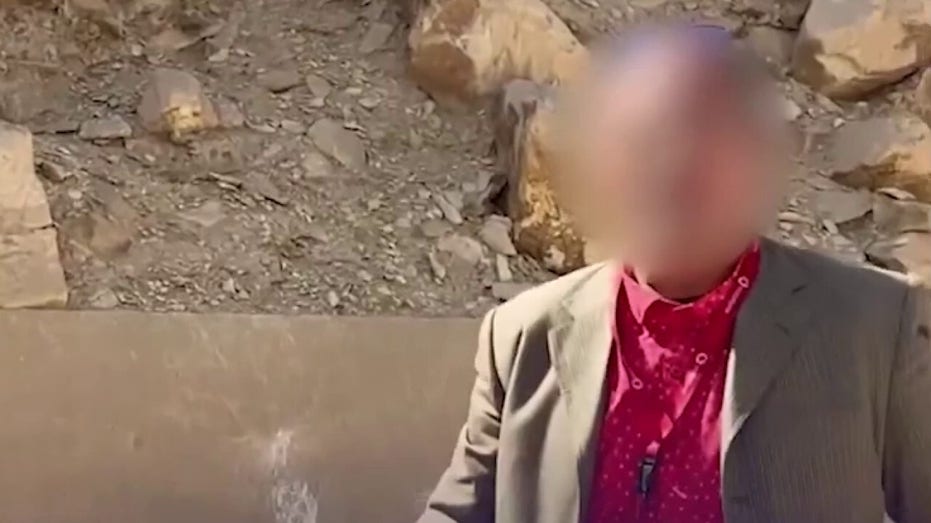
A shadow fell across the ancient stones of Saqqara as an Egyptian tour guide committed an act that reverberated across the world. While explaining the wonders of the 4,000-year-old Pyramid of Unas to a group of captivated tourists, he inexplicably began to sketch – not in a notebook, but directly onto the pyramid’s weathered surface.
The image, a simple stick figure, felt jarringly out of place against the backdrop of millennia. A video quickly surfaced online, capturing the moment the guide leaned in, his hand moving across the stone, and the stunned silence of those witnessing the act. He then frantically attempted to erase his mark, but faint traces stubbornly remained.
News of the incident reached Egypt’s Interior Ministry, who swiftly launched an investigation after the video went viral. An antiquities inspector filed a formal report, pinpointing the location to the Pyramid of Unas and identifying the guide responsible for the damage.
The Pyramid of Unas isn’t just another ancient structure; it holds a unique place in history. Built for Pharaoh Unas, it contains the earliest known Pyramid Texts – over 200 spells carved into its interior walls, representing the oldest collection of funerary writings discovered to date.
Authorities apprehended the guide, and during questioning, he confessed to his actions. The markings were subsequently removed by a team of specialists, carefully restoring the pyramid’s surface. But the incident sparked a wider conversation about the preservation of Egypt’s invaluable heritage.
Saqqara, a sprawling necropolis south of Giza, is part of ancient Memphis, Egypt’s first capital and a UNESCO World Heritage Site. It’s a complex of tombs, temples, and pyramids, a testament to a civilization that continues to fascinate and inspire. The incident serves as a stark reminder of the fragility of these sites.
Egypt has been bolstering its enforcement and preservation efforts in recent years, recognizing the immense responsibility of safeguarding these monuments for future generations. The country’s Antiquities Protection Law carries significant penalties – including imprisonment and substantial fines – for those who damage or deface archaeological treasures.
This act wasn’t simply vandalism; it was a violation of history, a disrespect towards a culture that has shaped our understanding of the world. The swift response from Egyptian authorities underscores their commitment to protecting these irreplaceable legacies.