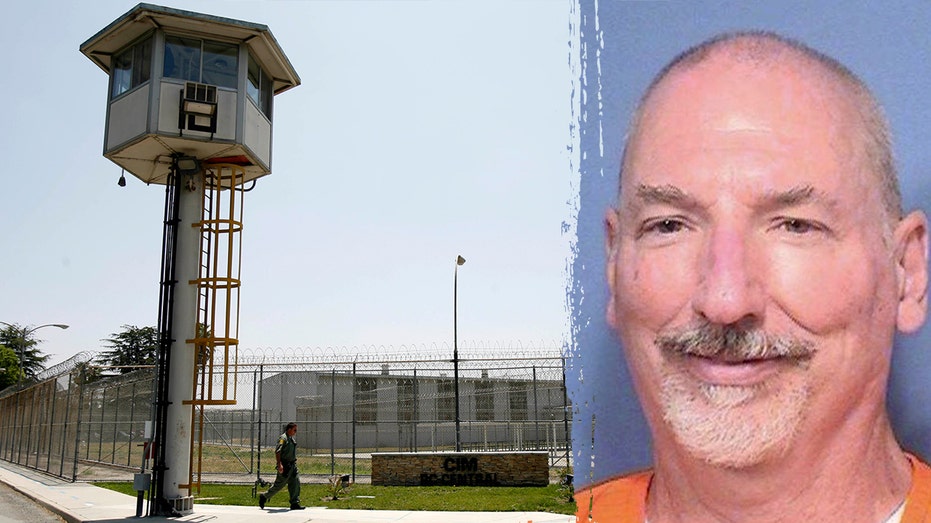
A chilling reprieve arrived for communities in California this week. David Allen Funston, a 64-year-old convicted of horrific crimes against children, was hours from freedom when a sudden turn of events intervened.
Just as preparations for his release were finalized, Funston was instead handed over to law enforcement authorities. A new arrest warrant, issued by Placer County, halted his journey back into society, offering a temporary shield to potential victims.
Funston’s original sentence, handed down in 1999, was life with the possibility of parole. The charges included kidnapping and unspeakable acts of abuse against children under the age of fourteen, crimes that haunted the Sacramento area for decades.
Despite the gravity of his offenses, Funston was deemed suitable for parole after multiple reviews. A board initially recommended his release in 2025, a decision upheld even after Governor Newsom requested a further, comprehensive review by the full board of commissioners.
He qualified for consideration under California’s Elderly Parole Program, a law designed to offer release to inmates over 50 who have served at least 20 years. This program, however, became a focal point of intense debate in Funston’s case.
The news of the impending release ignited outrage, particularly among those who fought to put him behind bars initially. A former prosecutor expressed gratitude for the Placer County District Attorney’s intervention, highlighting the laws that enabled Funston’s potential freedom.
For victims like Amelia, the prospect of Funston’s release was a devastating blow. She spoke with raw emotion, expressing disgust at the parole board’s decision and a deep-seated lack of trust in his claims of remorse.
Amelia bravely shared the lasting scars of Funston’s abuse, detailing the trauma that continues to impact her life, including the heartbreaking loss of hope for starting a family. The fear of future harm to younger relatives weighed heavily on her mind.
Funston had reportedly expressed “disgust and shame” for his actions to the parole board, offering apologies for the pain he inflicted. But Amelia dismissed these words as hollow, questioning how anyone could believe a predator capable of such cruelty could truly change.
Details surrounding the new charges in Placer County remain scarce, but their emergence has offered a crucial, if temporary, reprieve. The case has sparked a wider conversation about the balance between rehabilitation and public safety, and the enduring impact of horrific crimes on victims and communities.
The question now is when Funston will face a court in Placer County, and what the new charges will reveal about the extent of his past and the potential for future harm. The fight for justice, and for the protection of vulnerable children, is far from over.