A contentious legal battle over Texas’s regulation of drag shows took a decisive turn Wednesday, as an appellate court ruled the state can enforce its 2023 law. This decision overturns a previous injunction that had blocked enforcement, reigniting debate over free speech and the protection of minors.
The U.S. Court of Appeals for the 5th Circuit upheld its earlier November ruling, focusing on a law designed to regulate “sexually oriented performances.” The court determined that the law could be applied, but with a crucial caveat regarding who could legally challenge it.
The panel found that most of the organizations bringing the lawsuit lacked the legal standing to do so. Their performances, the court argued, were not the type targeted by the Texas law, which specifically addresses performances appealing to “prurient interest in sex.”
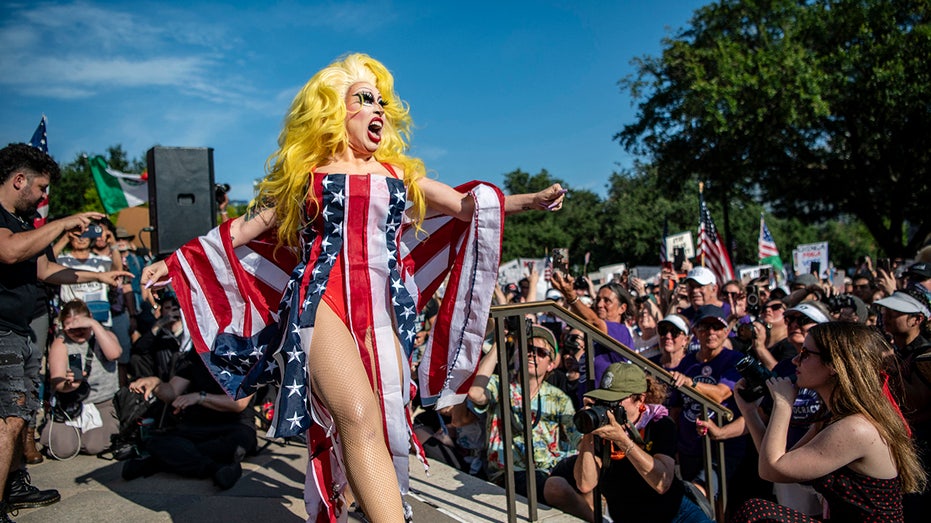
However, one entity, 360 Queen Entertainment, was deemed to have standing. Court documents detailed performances by the group that included a drag queen using a “very revealing” breastplate in a manner that arguably violated the law, sometimes occurring in front of minors.
The case now returns to a lower court, specifically to re-examine 360 Queen Entertainment’s claim that the Texas law infringes upon its First Amendment rights. The core question will be whether the law’s restrictions on performance constitute an unconstitutional suppression of free speech.
Judge Kurt Engelhardt, writing for the majority, emphasized the specific nature of the performances in question. The ruling doesn’t broadly condemn drag shows, but rather focuses on those deemed to be sexually explicit under the state’s definition.
Civil liberties advocates expressed concern that the law, even with the narrowed scope, will create a chilling effect on artistic expression. They argue the vague language of the law could extend beyond explicitly sexual performances, impacting theater, ballet, and other art forms.
The law defines sexually oriented performances as those featuring nudity or sexual conduct. Individuals could face prosecution for staging such performances in the presence of minors, a provision central to the state’s argument for protecting children.
Previously, a district judge had found the Texas law unconstitutional, fearing it could impact a wide range of performances. That ruling has now been effectively reversed by the 5th Circuit, paving the way for enforcement beginning in March.
The appellate court’s decision to deny a rehearing of the appeal solidifies its stance, marking a significant moment in the ongoing legal and cultural debate surrounding drag performances and their regulation in public spaces.