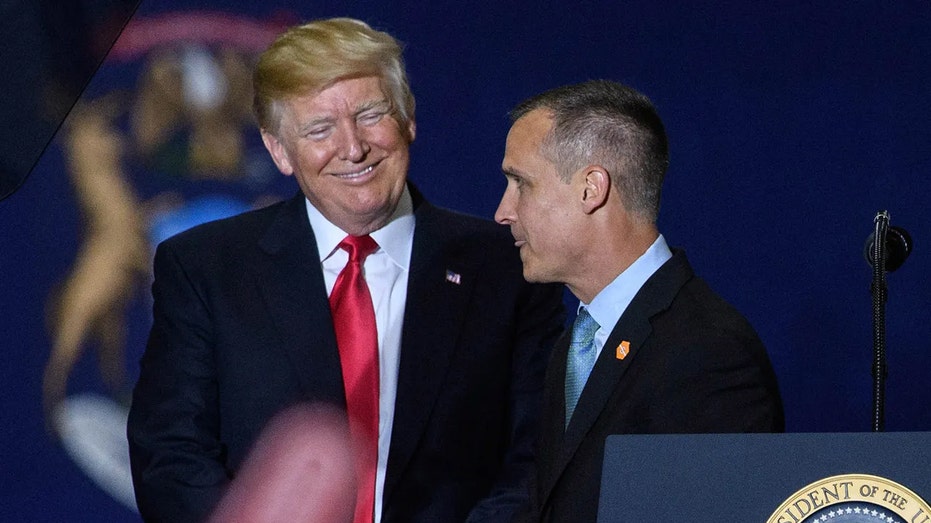
A growing number of individuals connected to former President Trump are coming forward with startling claims: the FBI, under the Biden administration, secretly sought their private records. Beyond previously reported instances involving Kash Patel and Susie Wiles, Republican operative Corey Lewandowski and White House Deputy Chief of Staff Dan Scavino have now revealed they received similar notices regarding data requests from Google.
These notices, received in 2024, detail how the FBI utilized legal demands to access information tied to their accounts. The revelation fuels accusations from Republicans that the Biden administration deliberately “weaponized” law enforcement against political opponents, extending the scope of investigations far beyond what was initially known.
Both Lewandowski and Scavino emphasized a troubling detail: Google was bound by a court-authorized gag order, preventing them from informing the individuals about the data requests sooner. This practice, while common in investigations, raises concerns about transparency and due process.
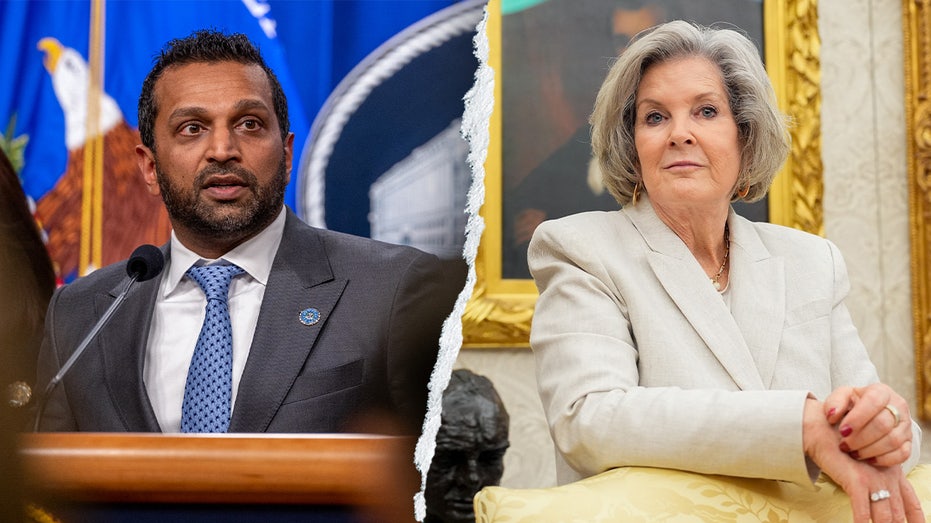
Kash Patel, in a statement, described the subpoenas for his and Wiles’ phone records as “outrageous and deeply alarming.” He alleges the previous FBI leadership used “flimsy pretexts” and concealed the process within protected case files to avoid oversight. The subpoenas reportedly sought call logs – dates, times, and numbers – but not the content of the communications.
Adding another layer of complexity, reports surfaced that the FBI recorded a phone call between Wiles and her lawyer in 2023. While officials claim the lawyer consented to the recording, Wiles herself was reportedly unaware. This claim is fiercely disputed by the lawyer in question, who vehemently denies any prior knowledge of the recording.
The timing of these actions strongly suggests a connection to the FBI’s investigation into President Trump’s handling of classified documents. Patel and Wiles were both known witnesses in the case led by Special Counsel Jack Smith, which alleges Trump violated the Espionage Act by retaining national security documents at Mar-a-Lago.
Patel himself had previously been compelled to testify before a grand jury in exchange for immunity as part of the same investigation. The FBI’s broader investigation encompassed both the classified documents and alleged attempts to subvert the 2020 election, issuing hundreds of subpoenas to Republican entities and figures, including GOP lawmakers.
Republicans decry these actions as an egregious abuse of power, while Special Counsel Smith maintains his work is entirely by the book and politically neutral. The controversy escalated further when Patel, upon revealing the subpoenas, initiated the termination of at least ten FBI employees.
This move drew swift condemnation from the FBI Agents Association, which argued the firings violated due process, weakened the Bureau’s expertise, and undermined trust in leadership. They warned that such actions ultimately jeopardize national security by hindering recruitment and destabilizing the workforce.
Observers note Patel’s actions may be aimed at solidifying his standing with President Trump. The unfolding situation continues to ignite debate about the boundaries of law enforcement investigations and the potential for political influence, leaving many questioning the impartiality of the justice system.