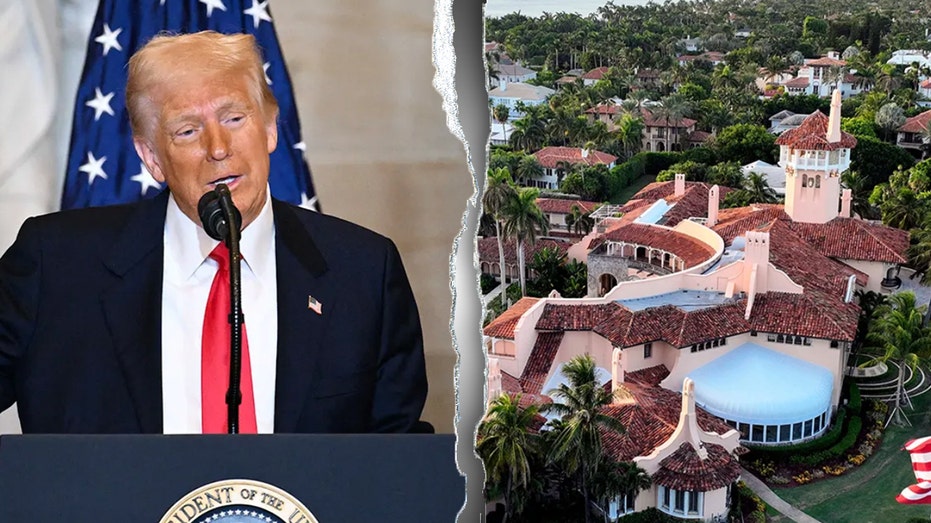
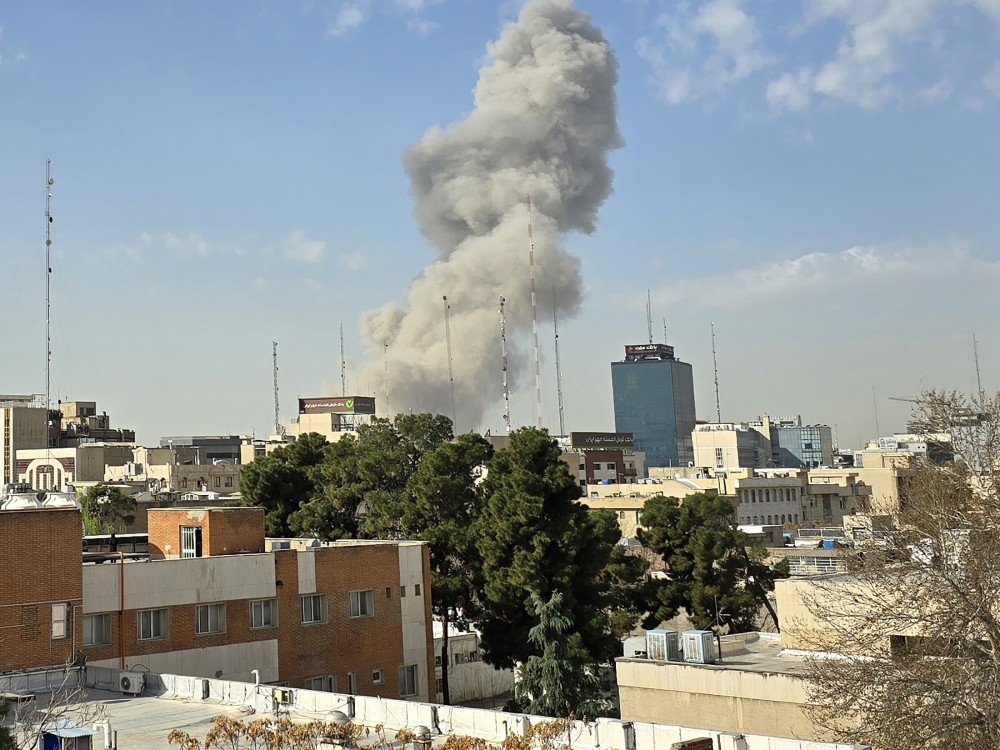
The order came as a chilling directive: shelter in place. President Trump announced a declaration of war against Iran, warning citizens that “bombs will be dropping everywhere.” Operation Epic Fury had begun, a sweeping campaign aimed at dismantling Iran’s missile capabilities and nuclear ambitions.
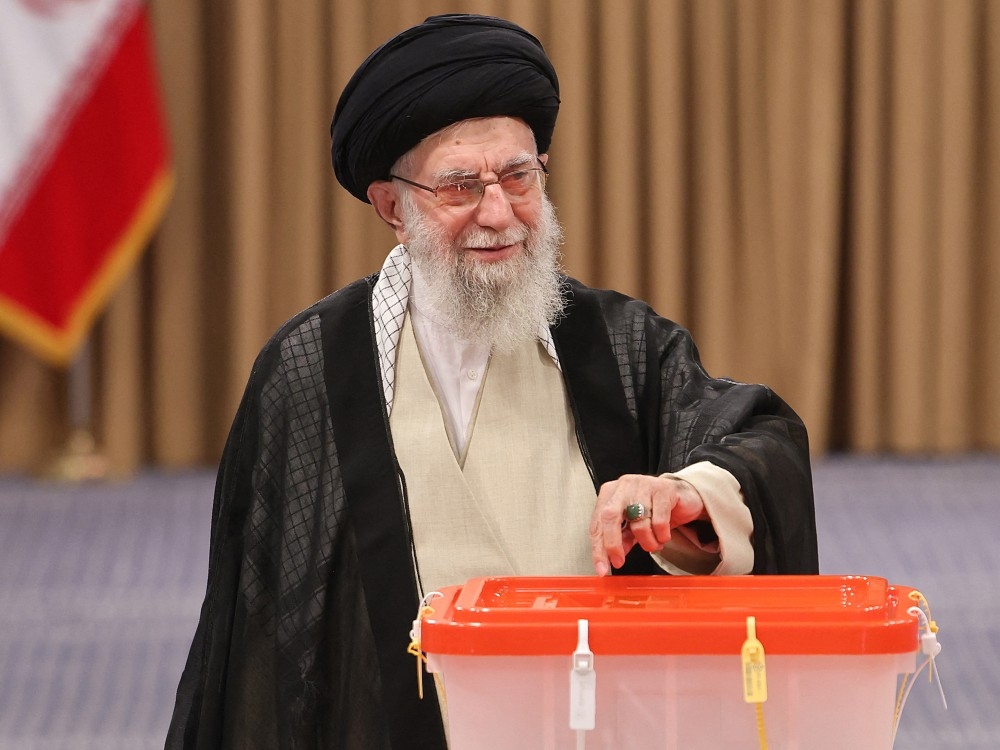
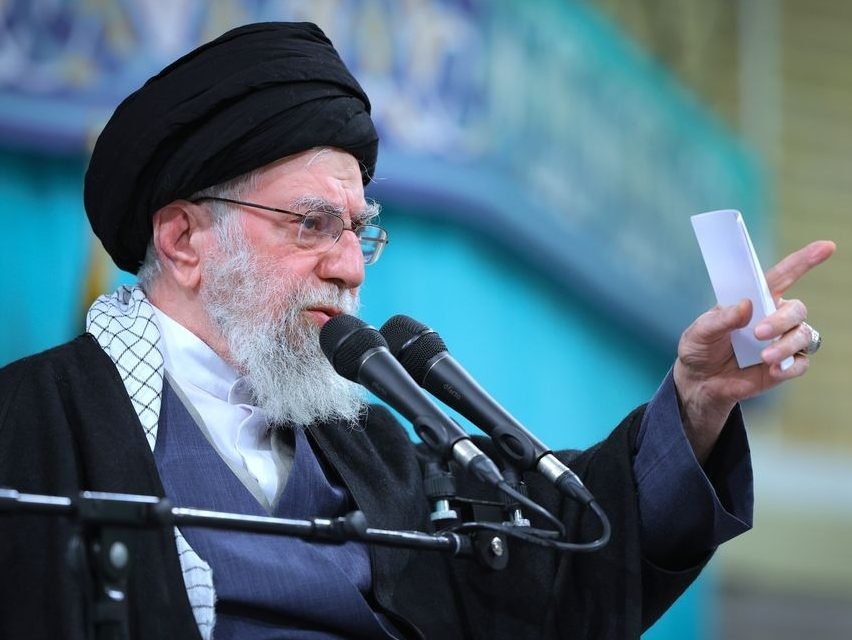
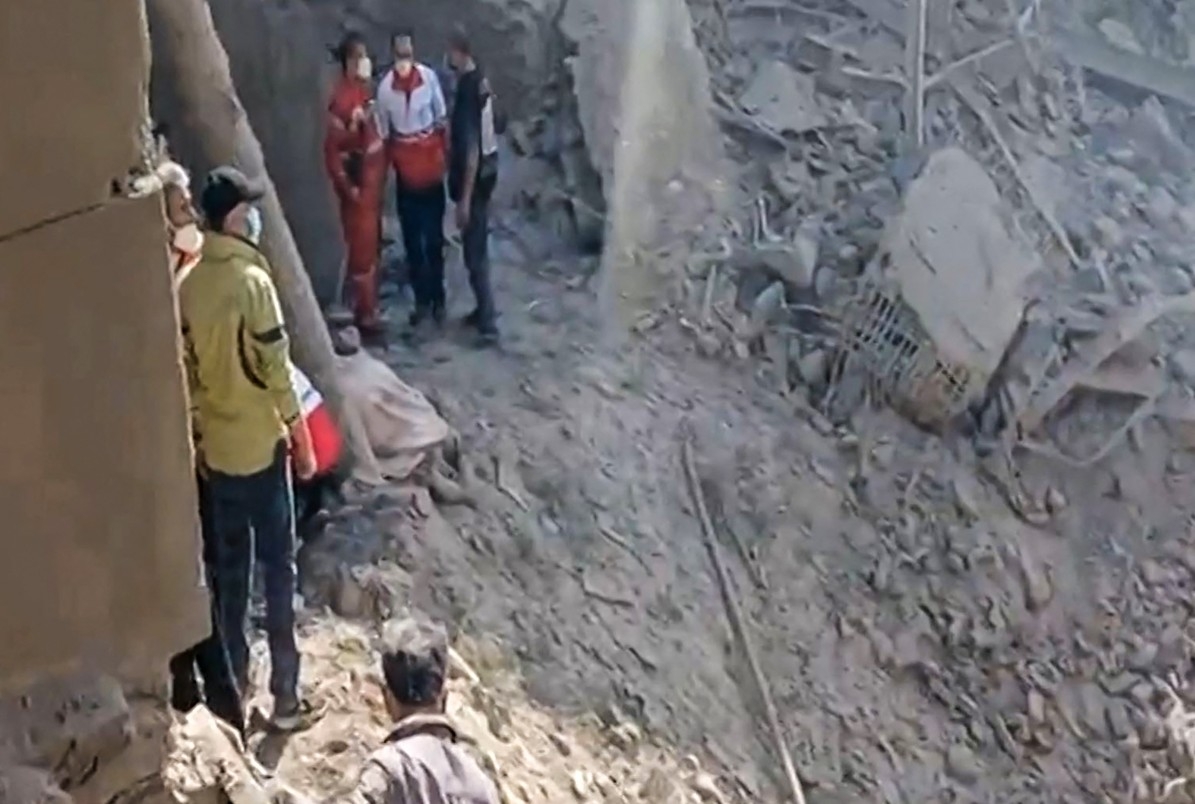
The first strikes hit Tehran with devastating force. Reports flooded in of explosions rocking the city, targeting key infrastructure and, crucially, high-ranking officials. Among those confirmed killed was Ayatollah Ali Khamenei, Iran’s Supreme Leader, in a coordinated operation between the United States and Israel.
Trump directly addressed the Iranian people, offering a stark choice. “The hour of your freedom is at hand,” he declared, urging them to overthrow the Islamic Revolutionary Guard Corps once the initial bombardment subsided. He framed it as a pivotal moment, a rare opportunity for liberation after generations of oppression.
The justification, the President stated, stemmed from the horrific attacks on Israel months prior – a brutal assault that claimed 1,200 lives, including those of American citizens. He vowed to dismantle Iran’s network of proxies, groups like Hamas and Hezbollah, deemed destabilizing forces in the region and beyond.
Israel mirrored the U.S. action with its own offensive, dubbed Roaring Lion. Prime Minister Netanyahu echoed Trump’s message, emphasizing a joint effort to empower the Iranian people to seize control of their own destiny. A precise strike eliminated operatives preparing to launch missiles towards Israel, preventing immediate escalation.
Iran retaliated swiftly, unleashing a barrage of missiles and drones against Israel, followed by attacks on U.S. military installations in Bahrain, Kuwait, and Qatar. The Iranian Foreign Ministry issued a defiant statement, vowing to defend their homeland “with all their might.” War had erupted, not just within Iran’s borders, but across the region.
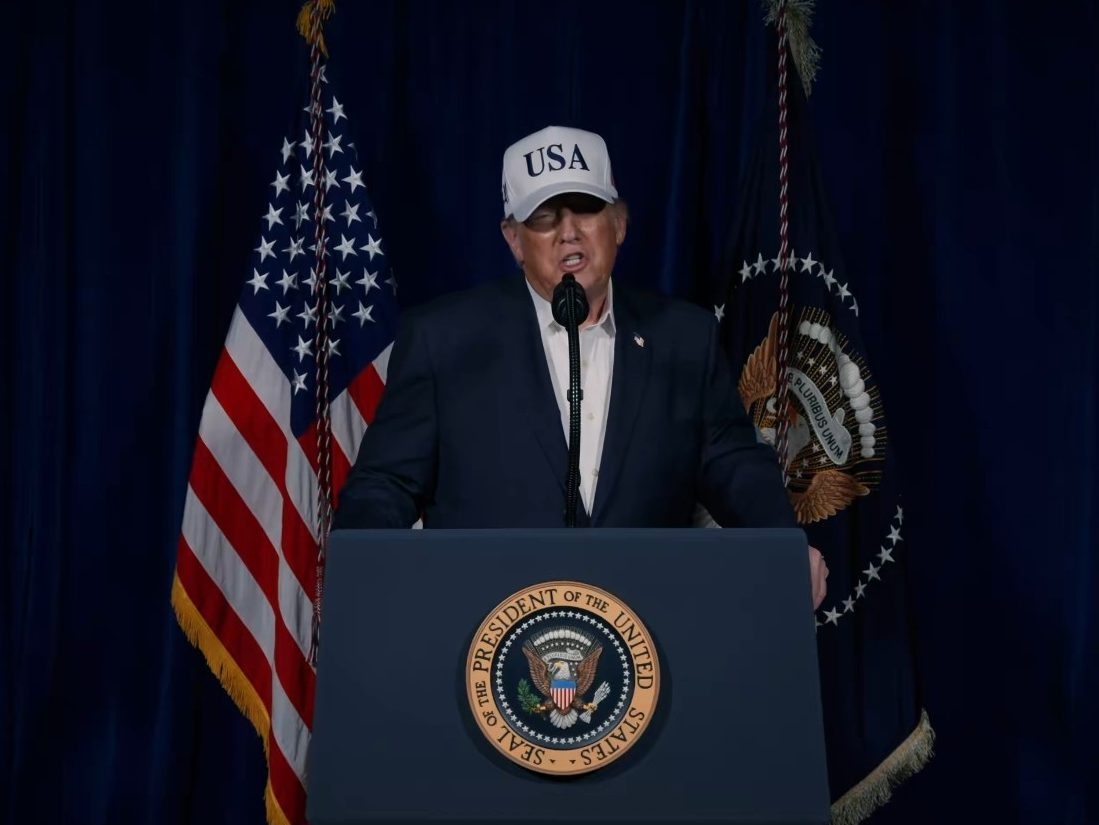
Amidst the chaos, Trump issued a direct appeal to the Iranian military and police: lay down your weapons and receive immunity, or “face certain death.” This followed months of failed negotiations and escalating tensions, culminating in a military operation the President acknowledged was fraught with danger and potential American casualties.
The international community reacted with alarm. Canada’s Foreign Affairs minister urged citizens to leave the region immediately, warning that evacuation assistance might not be possible should fighting intensify. The government unequivocally condemned Iran’s actions, labeling the regime a source of instability and a threat to global security.
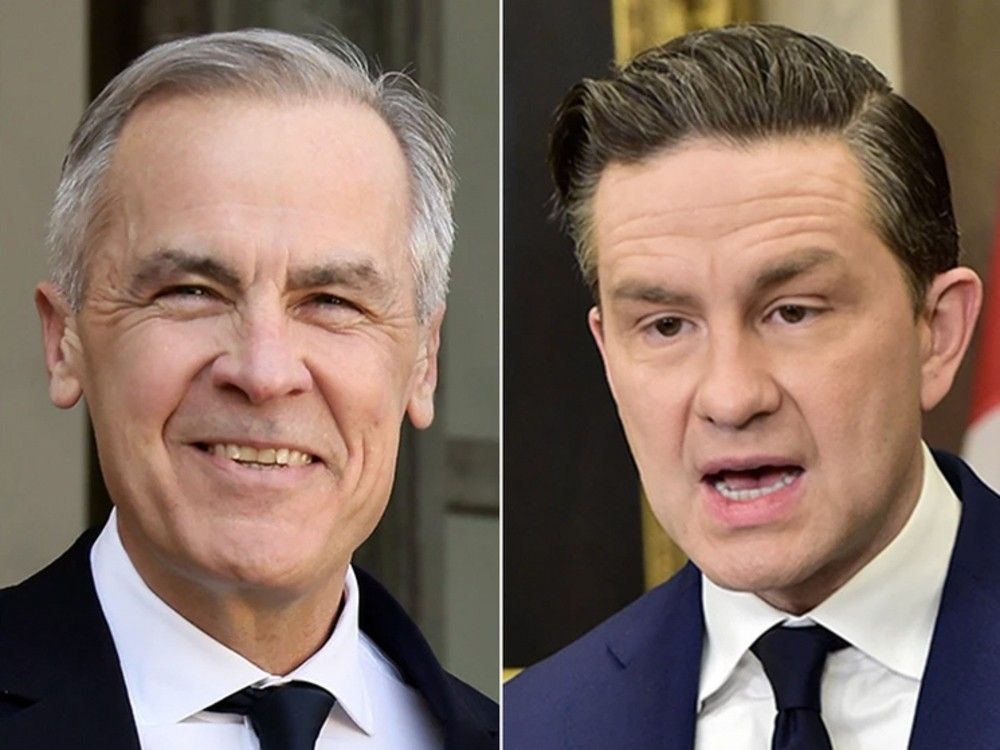
Political leaders across Canada voiced strong support for the U.S. and Israel. Opposition leaders condemned the Iranian regime’s history of terror, its pursuit of nuclear weapons, and its human rights abuses, backing the efforts to dismantle the dictatorship and empower the Iranian people.
The conflict ignited a wave of protests in cities around the world, including Toronto. Demonstrations both for and against the war were planned, reflecting the deep divisions and passionate feelings surrounding the crisis. Authorities braced for potential clashes, increasing police presence around sensitive locations.
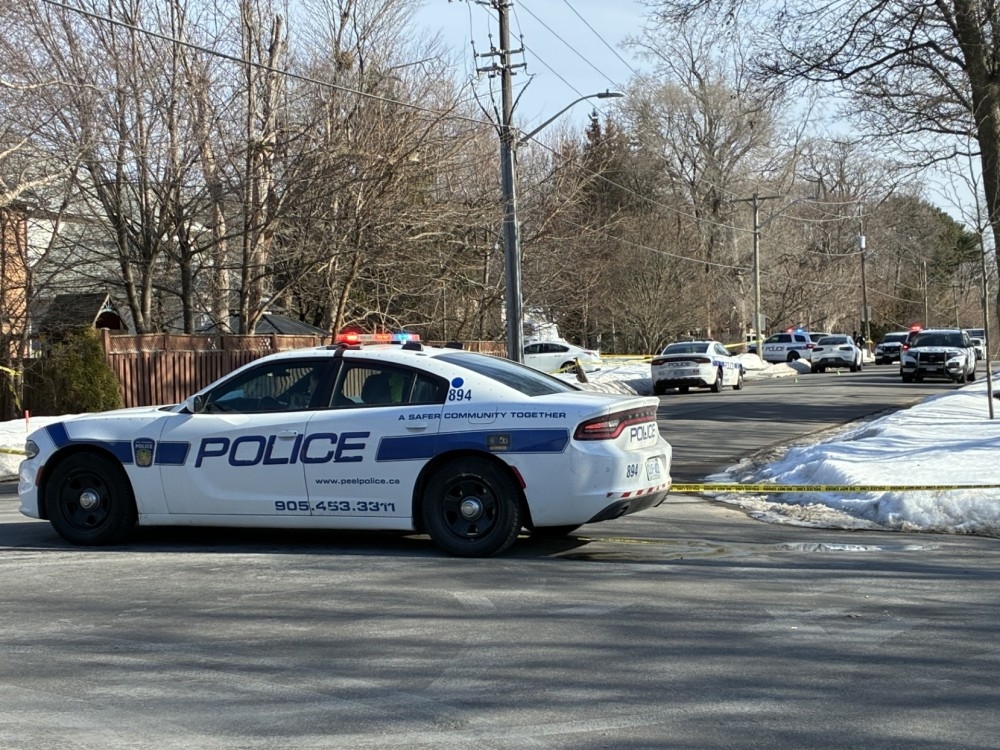
Toronto Police issued a statement, assuring residents they were closely monitoring the situation and prepared to address any local security concerns. The city prepared for an influx of activity, balancing the right to protest with the need to maintain public safety in a rapidly evolving global crisis.