A specific kind of dread settles in with the winter forecast – the ominous words “freezing rain” hanging over the afternoon. For those of us in the mountains of British Columbia, it’s a familiar signal: potential power outages, flickering lights, and the quiet worry of whether today will be the day the grid fails.
Life here means six inches of snow can be a typical Tuesday. We have ski hills, outdoor rinks, and winters where shoveling feels like an Olympic event. It’s a beautiful, rugged existence, but staying powered up is consistently unpredictable.
That’s what led us to explore the capabilities of a portable power station throughout a full winter workday, both inside and out. We wanted to see if it could truly deliver on the promise of reliable power when we needed it most.
In Canada, power outages aren’t rare occurrences. Ice storms, heavy snowfall, and extreme cold relentlessly strain aging infrastructure. In rural and mountain communities, even moderate weather can cause hours – sometimes days – without electricity.
For a household running a business, with remote work and constant device use, losing power isn’t just an inconvenience. It’s a disruption to our livelihood. We’d relied on a patchwork of batteries for years, but needed a solution that could support the entire household through a prolonged outage without difficult choices.
We needed to know if it could handle a typical family workday. On a normal day, that means powering two laptops, a tablet, multiple charging phones, a Bluetooth speaker, and a couple of lamps. On busier days, a kettle or small fan joins the mix.
The power station brought 2,073Wh of capacity and 2,600W of AC output to the equation, capable of powering up to nine devices simultaneously. We found ourselves never needing to prioritize what to plug in; everything ran seamlessly, without any strain on the system.
It can sustain devices up to 2,600W, and with “Hercules mode” activated, it can even handle heating devices up to 3,900W. While we didn’t test that limit during our typical day, knowing that headroom exists provides valuable peace of mind during real emergency scenarios.
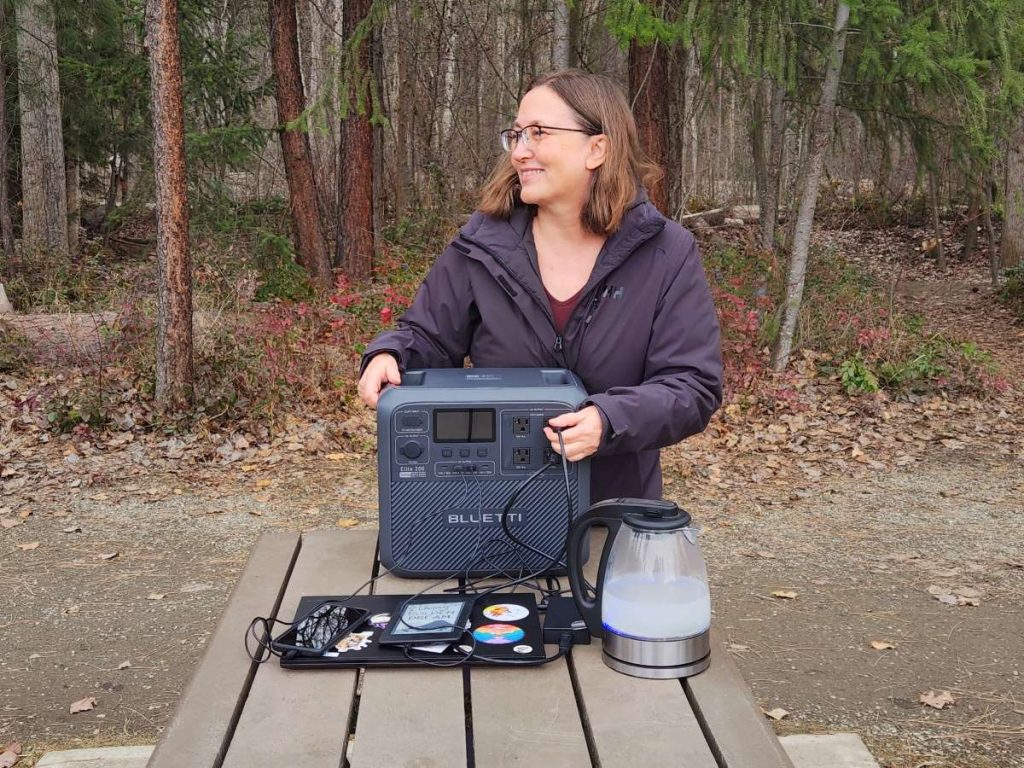
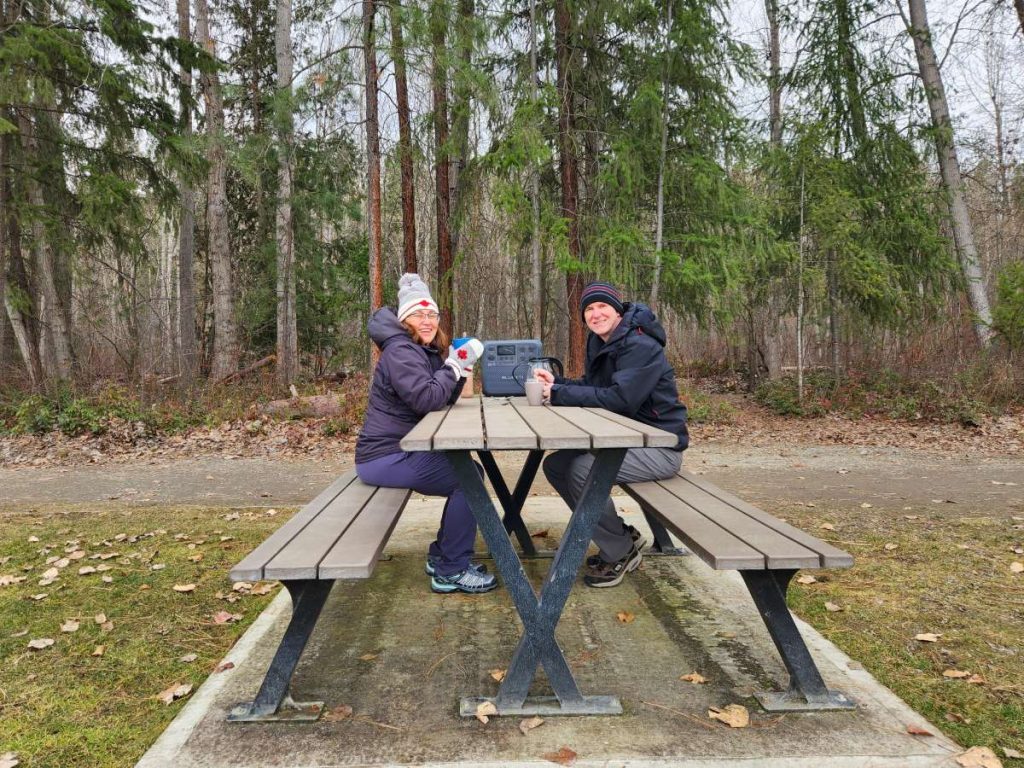
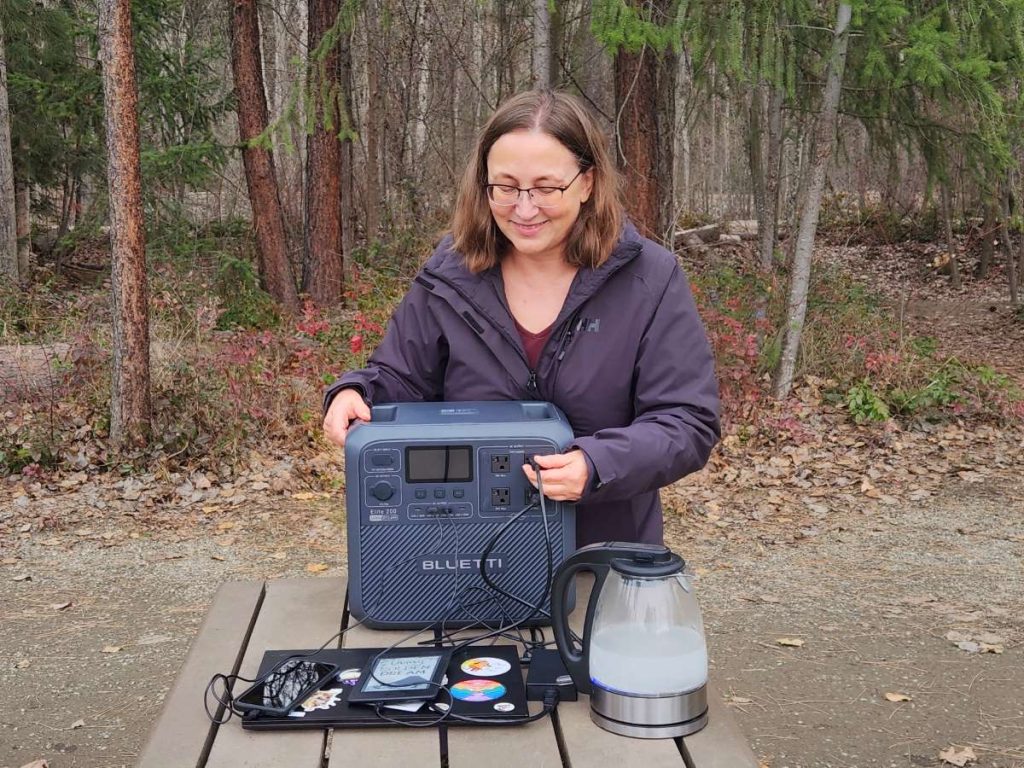
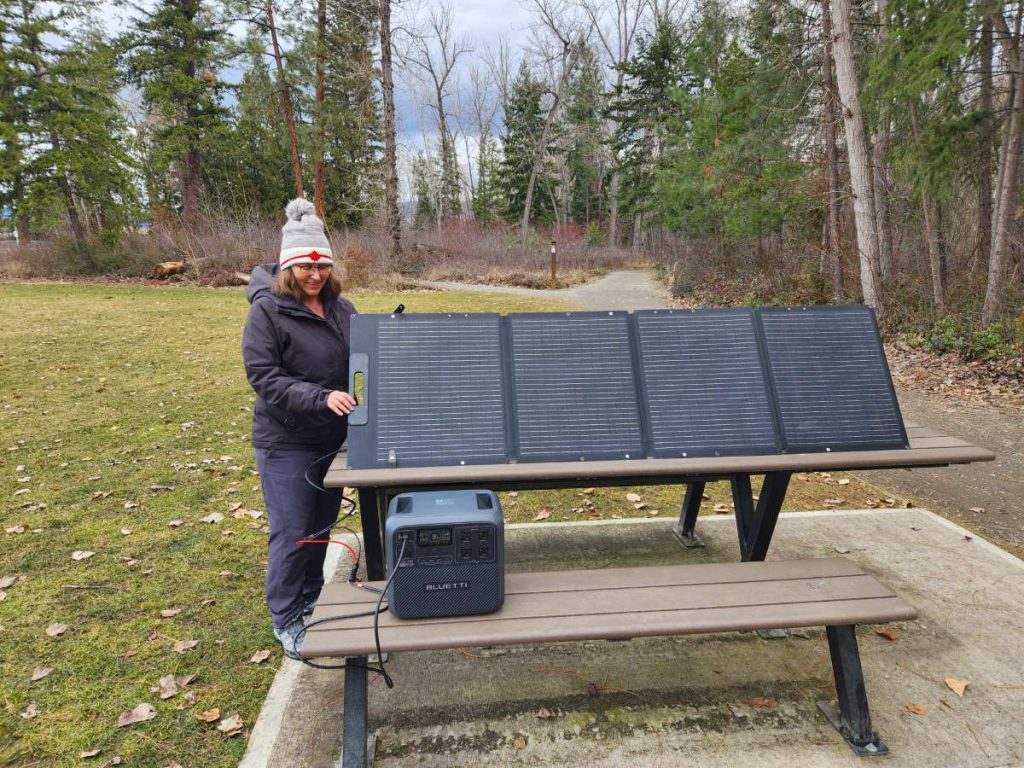
Midday, when cabin fever sets in, we decided to take the power station into the nearby forest. We set up with the station, a solar panel, and a picnic table among the trees. Despite the February chill, the setup was surprisingly straightforward.
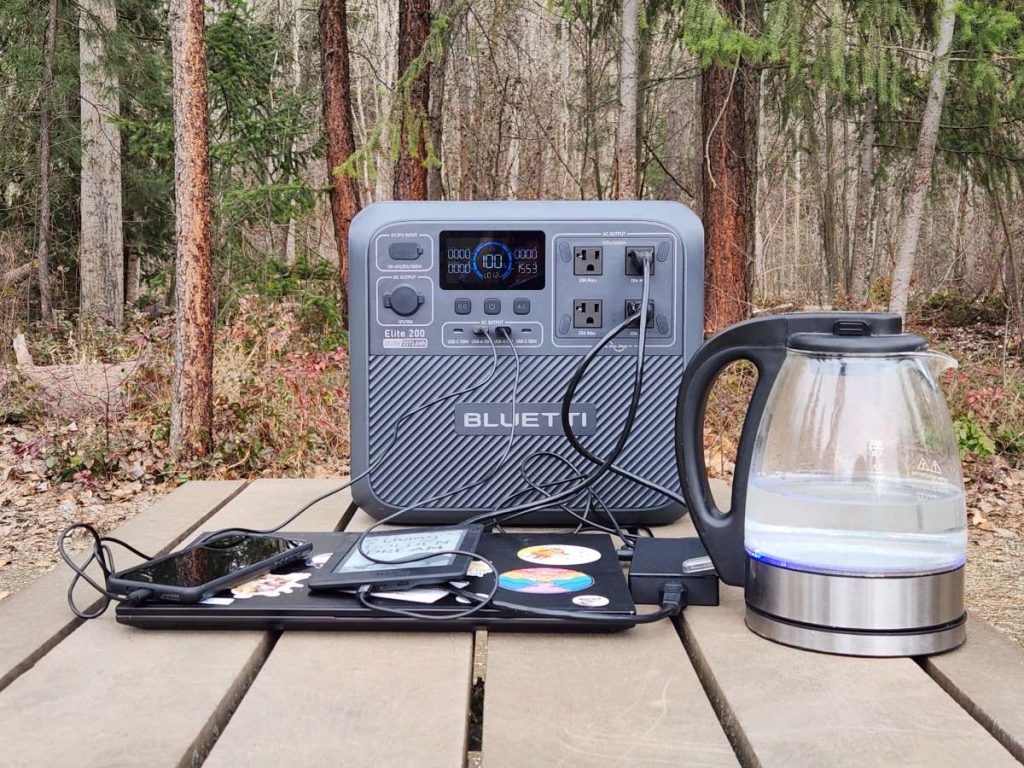
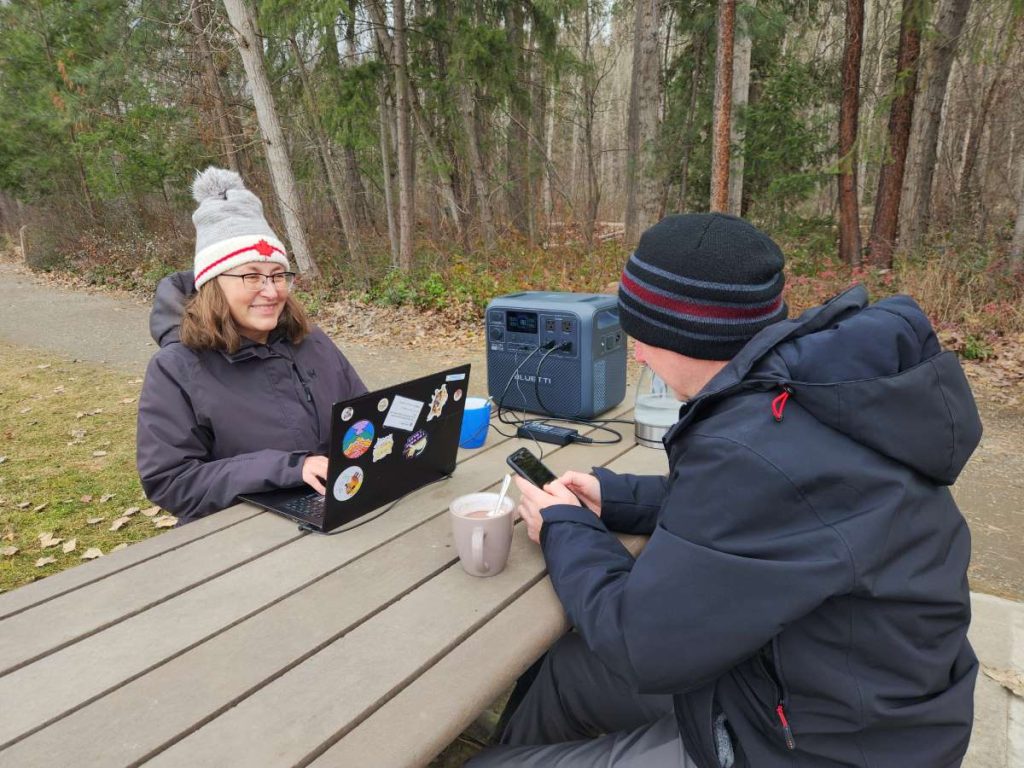
We got the laptop running, then did something we rarely allow ourselves during a workday: we boiled water for hot chocolate. There, in the quiet forest, mugs in hand, the station powered the kettle without hesitation. It was a small moment, but it highlighted how the right gear can transform your day.
There’s a grounding quality to working in the woods – the quiet, the cold air, the winter light. Being able to work, enjoy a hot drink, and keep everything charged, without sacrificing productivity, felt less like a test and more like a shift in perspective.
The station’s display provided real-time feedback on power usage and solar input, offering genuinely useful information. It felt less like a piece of gear and more like essential infrastructure.
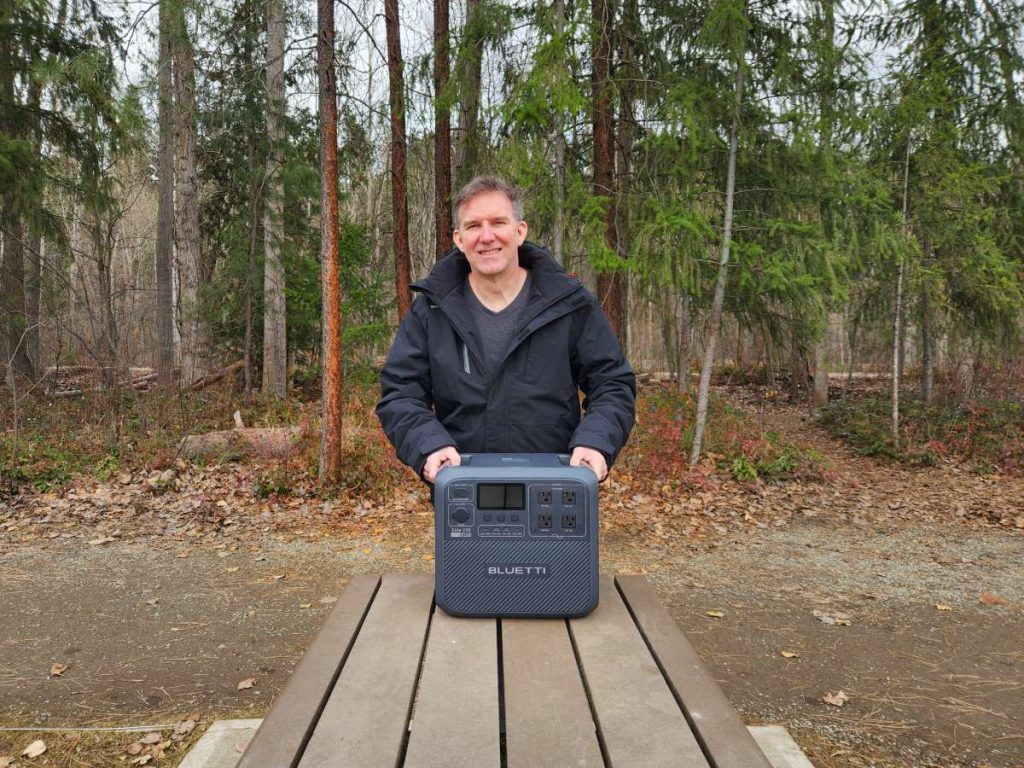
At just over 53 pounds, it’s substantial, but manageable. Integrated handles and a compact form factor made moving it from indoors to the forest a one-person job. It wasn’t a chore, and its robust build felt reassuring.
The unit is rated to operate in temperatures as low as -20°C, easily covering the range we experience here. Even on a cold morning, it performed flawlessly.
While we didn’t experience a power outage during our testing, we’ve lived in these mountains long enough to know it’s inevitable. After a full day of typical use, we have a clear understanding of what an outage scenario would look like.
Based on our usage, the 2,073Wh capacity would comfortably power our household through most of a workday without solar input. Adding the 200W solar panel on a clear winter day significantly extends that timeframe.
Owning this kind of system changes your relationship with the forecast. Instead of anxiety with storm warnings, there’s a sense of calm. The station is charged, the solar panel is ready, and the laptops stay on.
The capacity is impressive. 2073Wh in a relatively compact unit, utilizing automotive-grade LiFePO4 cells, is rated for 6,000+ charging cycles – roughly 17 years of daily use before significant degradation. That’s a remarkable specification.
The accompanying app is genuinely useful, offering real-time monitoring, energy-saving settings, solar charging controls, and a clean, intuitive interface. The fan is remarkably quiet, and the pass-through charging allows for simultaneous use and charging without issue. It also avoids the frustrating need for a separate power brick.
It’s not lightweight at 53.4 pounds, so budget for that. It also lacks a built-in light, and isn’t fully waterproof or expandable with additional batteries. These aren’t dealbreakers, but worth considering.
For a household that works from home, lives in an area with unpredictable winter weather, and wants a single system to handle everything without compromise, this is a worthwhile investment. The added versatility for camping, outdoor jobs, or road trips further enhances its value.
When you factor in the long battery lifespan, the peace of mind during storm season, and the freedom to take your power source with you, the cost becomes justifiable. This is gear that earns its place through reliability, repeated performance, and a lack of drama.
If you’ve ever wished you had battery backup during a winter outage, this is the solution we’d recommend.