As the grip of winter loosens across Canada, a uniquely sweet tradition awakens. Deep in the rural landscapes of eastern Canada, a quiet tapping begins – the careful collection of maple sap, destined to become the golden syrup cherished around the world.
The secret to a bountiful harvest doesn’t lie solely in the spring thaw, but in the summer before. Healthy maple trees require ample sunlight and rich soil to convert carbon dioxide into sugars, storing energy for the coming cold months. A dry summer can significantly impact the following season’s yield.
The ideal conditions for sap flow are a delicate dance between temperatures. Cool evenings draw sap upwards from the roots, creating a natural vacuum within the tree. Then, as the sun warms the air, that sap is released, collected through carefully placed spouts.
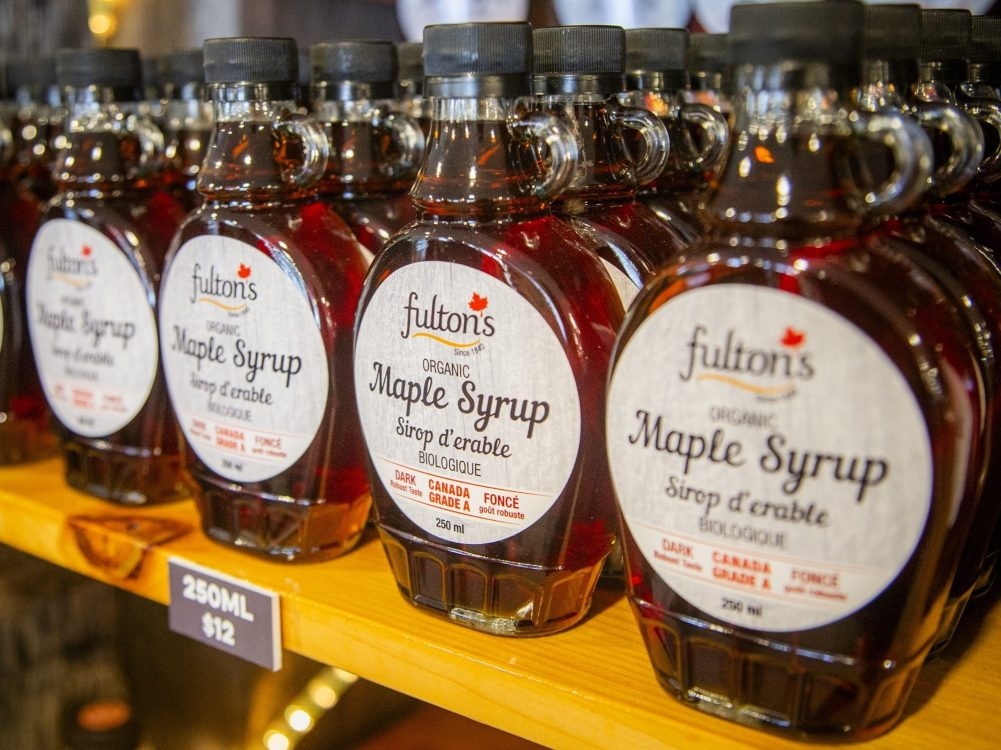
While the image of buckets hanging from trees remains iconic, many producers now utilize sophisticated pipeline systems for efficient sap collection. This precious liquid, initially only about 2% sugar and mostly water, undergoes a transformative process.
Boiling is the key. Through hours of careful evaporation, the sap is concentrated until it reaches a sugar content of 67%. The process is remarkably intensive – roughly 40 litres of sap are needed to create just one litre of finished maple syrup.
Canada dominates the global maple syrup market, accounting for approximately 73% of worldwide production. Quebec leads the way, responsible for over 90% of Canada’s output, followed by New Brunswick and Ontario. This dominance is no accident, but a result of ideal growing conditions and generations of expertise.

Recognizing the unpredictable nature of weather and sap flow, Quebec maple syrup producers maintain a strategic reserve. Three large warehouses safeguard excess syrup, ensuring a consistent supply even during lean harvesting years.
Maple syrup’s versatility extends far beyond the breakfast table. Traditional delights like maple taffy – poured onto snow to create a chewy treat – maple butter, and various sugar candies showcase its inherent sweetness.
Modern culinary explorations are revealing even more uses. Chefs are incorporating maple syrup into savory dishes, adding a unique depth of flavor to sauces, marinades, and even salad dressings, expanding its appeal beyond the familiar.
Across Ontario, communities celebrate this liquid gold with festivals and events. Toronto’s Sugar Shack TO offers interactive experiences and maple-infused cuisine. “Maple Weekend” events open sugarbushes to the public, offering a firsthand look at the syrup-making process.
The town of Elmira, north of Waterloo, has hosted a maple syrup festival since 1965, a day filled with sugarbush tours, pancake breakfasts, crafts, and local entertainment. Elmvale, just north of Barrie, boasts a similar tradition, dating back to 1966.
These festivals aren’t just about tasting syrup; they’re about connecting with a tradition, understanding the dedication of the producers, and appreciating a uniquely Canadian treasure.