The United States and Iran appear to be moving further apart from a diplomatic breakthrough, as tensions escalate in the final weeks of their two-month negotiating period.
The halfway point of the 60-day window, established under a June 17 memorandum of understanding, marks a significant deadline in the negotiations over Iran's nuclear and missile programs, sanctions, and freedom of navigation through the Strait of Hormuz.
The first half of the negotiating period has been marked by repeated Iranian attacks on commercial vessels, hundreds of U.S. strikes on Iranian military targets and retaliatory missile and drone attacks across the region, and President Donald Trump declaring the ceasefire "over."
The Trump administration has withdrawn one of the most significant concessions it offered Iran under the agreement, a temporary waiver allowing Iran to sell oil, and reinstated a naval blockade that had been lifted after the memorandum was signed.
In an effort to bring Iran back to substantive negotiations, the administration is increasingly relying on military and economic pressure as the negotiating window draws to a close.
Failure to reach a deal would leave the two sides without a clear diplomatic path to address Iran's nuclear and missile programs or restore safe passage through one of the world's most important shipping lanes.
However, President Trump stated Thursday that Iran had made a fresh overture to the U.S., saying "They don't like what we're doing, and they do want to settle."
The Iranian mission to the United Nations could not be reached for comment on the status of negotiations.
The White House referred to press secretary Karoline Leavitt's comments in a news briefing Thursday, stating that Iran "very much continues to talk to the United States of America and expressed that they want to make a deal with us because they are suffering devastating blows."
The agreement initially provided Iran with an immediate economic incentive to remain in the process, but the administration revoked this authorization less than three weeks later after Iran attacked three commercial vessels transiting the Strait of Hormuz.
A U.S. official said at the time that the agreement was "entirely performance-based" and warned that Iran would receive benefits only if it demonstrated "good behavior."
Iran accused Washington of violating the memorandum, arguing that Tehran was complying with its obligations by managing passage through the strait.
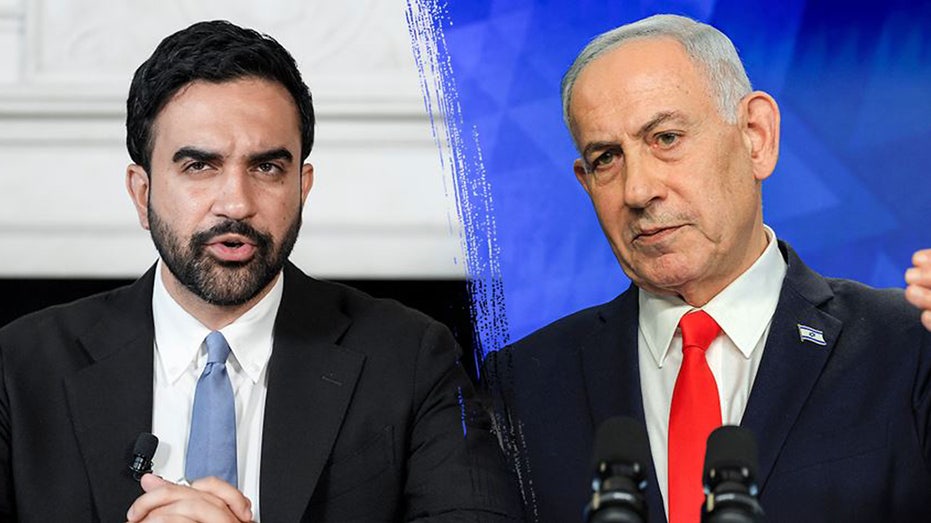
Gregg Roman, executive director of the Middle East Forum, argued that Washington and Tehran entered the negotiating period with fundamentally different objectives, with the U.S. seeking a long-term agreement and Iran aiming to rearm.
Former Trump Defense Secretary Mark Esper questioned whether an expanded bombing campaign would force Iran to change course, instead advocating for "comprehensive" economic pressure backed by international support.
The sanctions reversal coincided with a dramatic expansion of U.S. military operations against Iran, with the fighting accelerating sharply in early July after Iran attacked commercial vessels in the Strait of Hormuz.
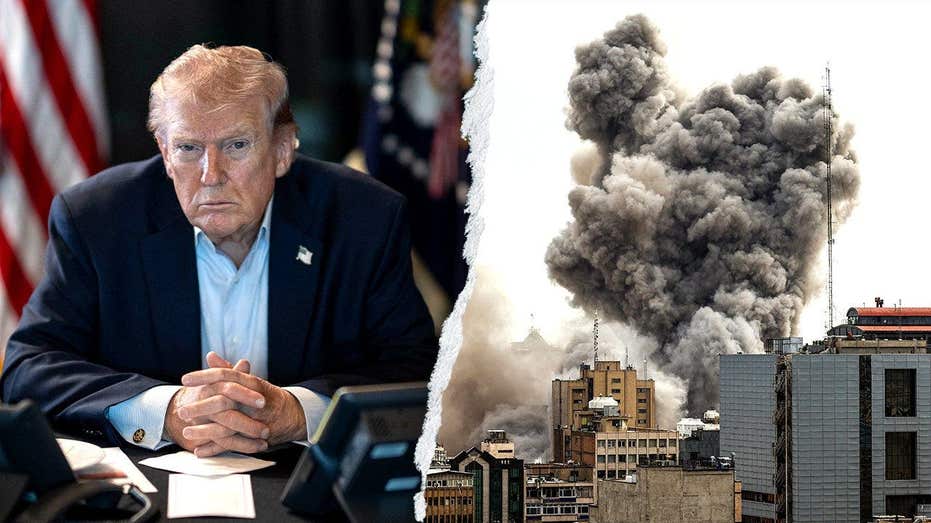
The U.S. has since struck more than 300 Iranian targets over three nights, including air defenses, missile and drone sites, coastal radars and naval capabilities, in an effort to cut Islamic Revolutionary Guard Corps forces off from resupply routes and further isolate them around the strategic port city of Bandar Abbas.
The U.S. also reinstated its blockade of Iranian ports and disabled the Curaçao-flagged tanker Belma after CENTCOM said it ignored warnings while sailing toward Iran's primary oil-export terminal.
Iran has responded with missile and drone attacks against countries hosting U.S. forces across the Gulf, damaging a major power and desalination plant in Kuwait on Friday.
Despite the escalating threats, Trump has continued to argue that a diplomatic resolution remains possible, saying "They don't like what we're doing, and they do want to settle."
One potential sign that communication remains open came Wednesday, when Iran allowed U.S.-Iranian citizen Dena Karari to leave the country after preventing her departure since December.
Salvaging the agreement would now require the two sides to move beyond preliminary contacts, halt the widening cycle of retaliation, and return to negotiations over the nuclear, missile, and sanctions issues at the heart of the memorandum.
The next 30 days will determine whether the renewed military pressure creates leverage for that diplomacy – or ensures the negotiating window closes with the United States and Iran again at war.