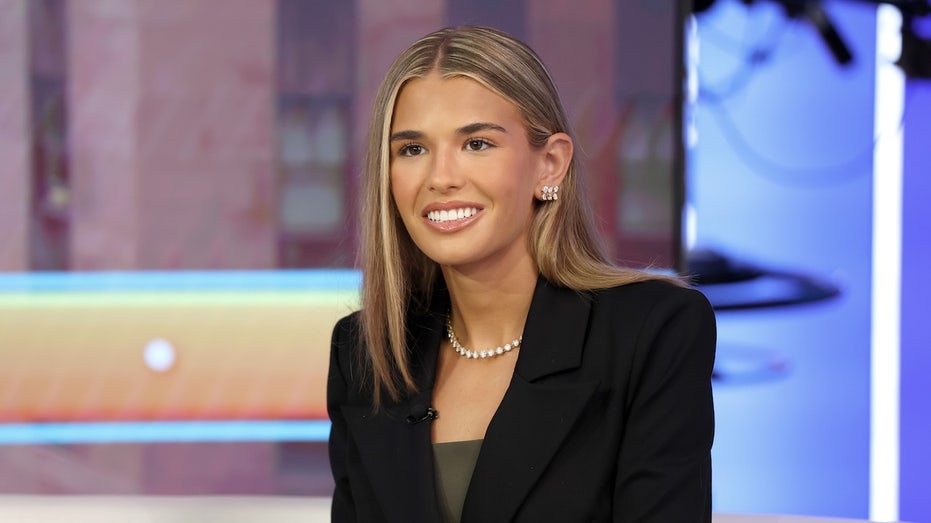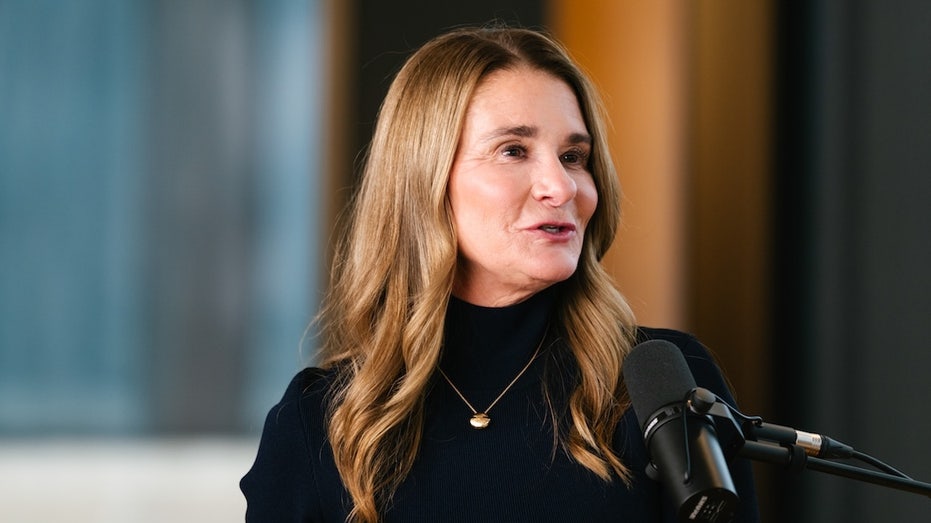
Laura French Gates, a successful philanthropist and businesswoman, has shared her personal experience with menopause, highlighting a significant gap in women's healthcare.
She credits her older friends for educating her on the signs of menopause, but notes that even with "unbelievably privileged" access to healthcare, it took her three doctors to accurately diagnose and treat her symptoms.
The issue, French Gates believes, lies in the lack of formal training for OB-GYNs in menopause care. Citing a 2023 national survey, only one-third of U.S. obstetrics and gynecology residency programs include a formal menopause curriculum.
Recent studies have reinforced this concern, revealing that OB-GYN, family medicine, and internal medicine residents have low knowledge and low confidence in treating menopausal symptoms. In a 2026 Kansas study, over half of respondents received fewer than five hours of menopause education, and the majority did not feel fully prepared to treat menopausal patients independently.
A national survey of 2,000 women found that only 25% reported that their healthcare provider had adequately informed them about perimenopause. Each year, approximately 1.3 million U.S. women reach menopause, typically beginning perimenopause in their 40s.
As hormone levels fluctuate during perimenopause, women may experience a range of symptoms, including irregular periods, hot flashes, night sweats, sleep disturbances, mood changes, vaginal dryness, brain fog, and joint pain.