The European Union has a defence clause, yet a concrete plan remains elusive. This issue was highlighted in an interview with the European Commissioner for Defence and Space.
The commissioner urged the EU to strengthen domestic defence capabilities and reduce dependence on external suppliers, especially the United States, for critical military equipment and technologies. He argued that building indigenous production would enhance resilience and reduce supply chain vulnerabilities.
He warned that the EU must prepare for a possible decline in U.S. military presence in Europe, stressing the need for greater strategic autonomy. The absence of a robust defence network could leave member states exposed during regional crises.
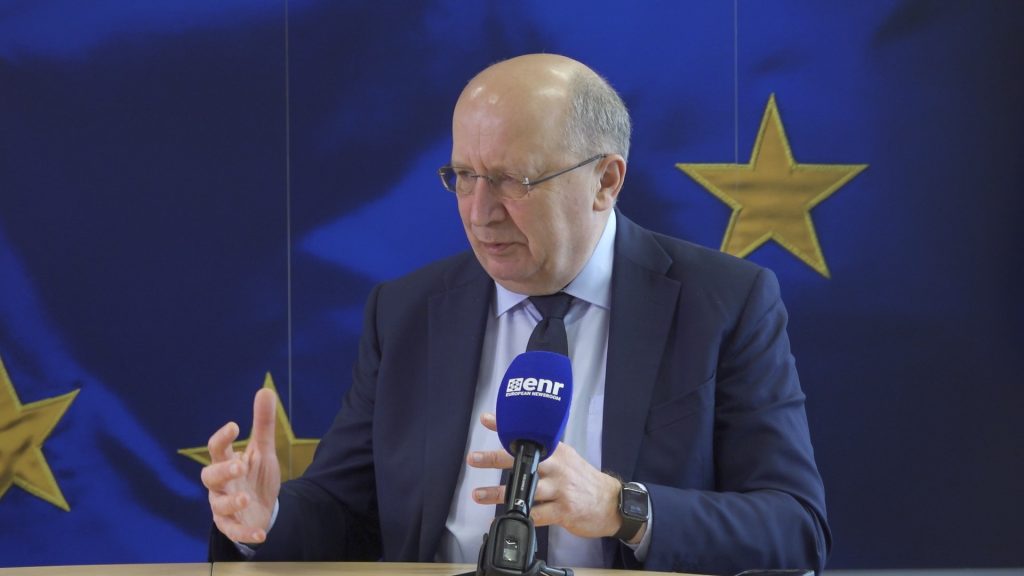
The former Lithuanian prime minister cautioned that Washington may struggle to sustain its level of military support for Kyiv as global focus shifts from the war with Russia to the conflict in Iran. He noted that shifting priorities could limit the resources available to Ukraine.
He called for a stronger role of the EU's mutual defence clause, known as Article 42.7, which obligates member states to assist an attacked country. The commissioner emphasized the need for a practical playbook to make the clause operational and effective.
The commissioner also highlighted the strategic value of EU enlargement, citing Lithuania's 2004 accession as an example of how membership fosters economic, social, and security benefits essential for European defence. He stressed that new members bring fresh perspectives and reinforce collective resilience.
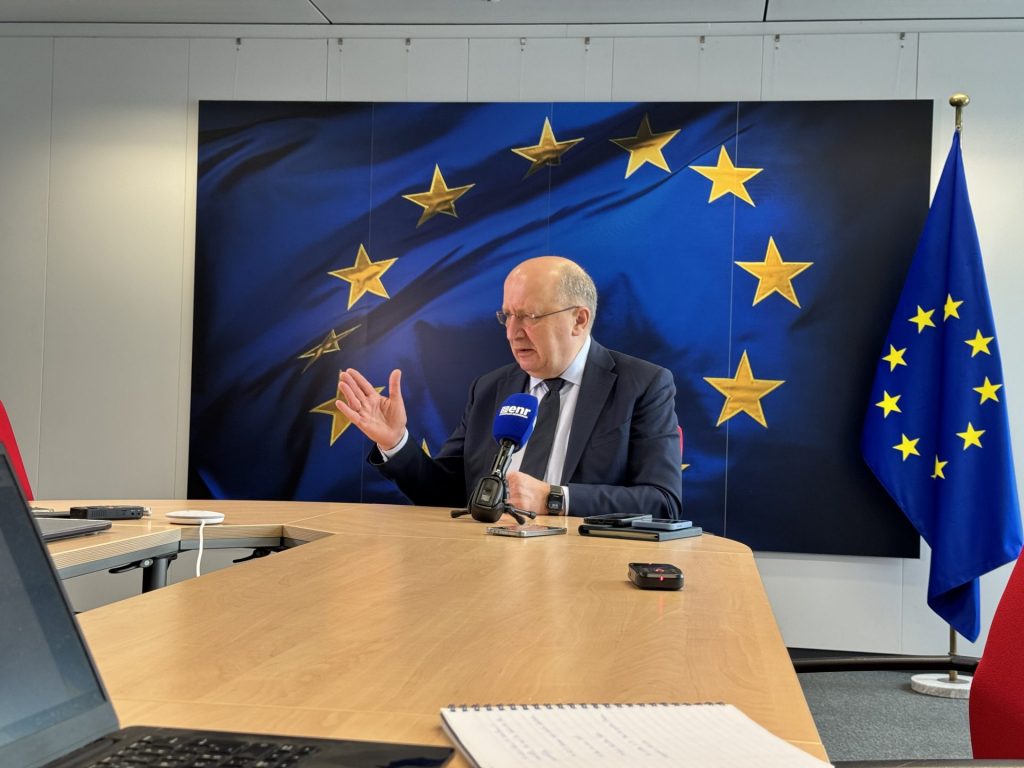
The interview was conducted in Brussels and focused on defence policy and strategic autonomy. It underscored the urgency of aligning national and collective defence strategies.


