The White House is pursuing a new strategy to encourage self-deportation by restricting financial access for immigrants without legal status.
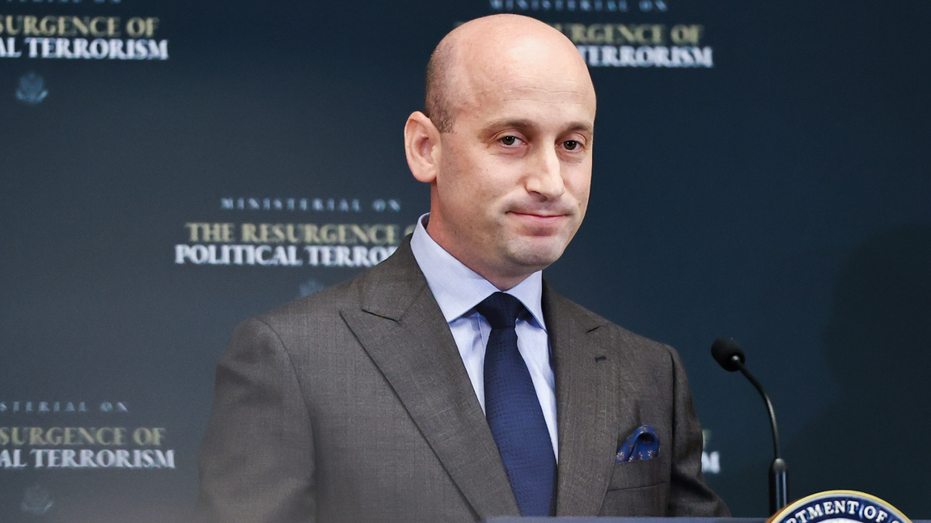
Deputy chief of staff Stephen Miller stated Friday that the administration aims to debank individuals lacking legal immigration status as a deterrent to unlawful presence in the United States.
Miller explained that many such individuals currently hold bank accounts, credit cards, and receive wages through direct deposit, allowing full participation in the nation's financial systems.
He argued that shutting down this access would serve as a powerful mechanism to drive departures from the country.
The comments follow an executive order signed by President Trump on May 19 directing banks and federal regulators to increase scrutiny of accounts and credit applications involving immigrants without legal status or work authorization.
While the order did not explicitly mandate denial of banking services, compliance measures are expected to make financial participation significantly more difficult for this population.
Federal agencies have already begun implementing the directive. In early June, the Consumer Financial Protection Bureau issued guidance permitting and in some cases requiring lenders to factor immigration status and work authorization into loan repayment assessments.
On July 13, three federal agencies issued additional guidance reminding financial institutions to apply sound credit risk management when lending to borrowers not legally authorized to work in the United States.
Together, these advisories signal to banks that immigrants without legal status may represent higher-risk customers for loans and financial products.