An extraordinary story is unfolding in Haitian football, a tale of triumph against impossible odds. The national team, Les Grenadiers, has defied a nation gripped by crisis to achieve a historic feat: qualifying for the World Cup. Remarkably, their French manager, Sébastien Migné, has yet to even set foot on Haitian soil.
Patrice Dumont, a former Haitian senator and respected sports commentator, understands the profound significance of this success. He specializes in the intricate link between sport and international relations, and sees this moment as far more than just a game.
The team’s ascent is fueled by a new strategy – embracing talent from the vast Haitian diaspora. Players like Jean-Ricner Bellegarde, of Wolverhampton Wanderers, and Josué Casimir, of AJ Auxerre, are bringing a new level of skill and experience to Les Grenadiers. This is the first Haitian squad to boast three players from Europe’s top five leagues.
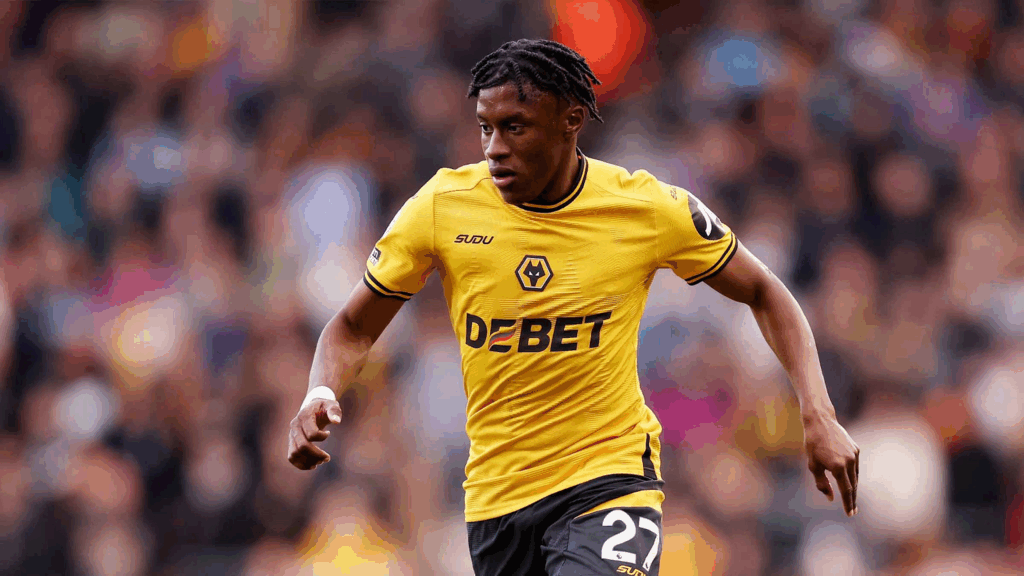
However, Dumont is quick to emphasize that the contributions of Haitian-born players are equally vital. Midfielders Danley Jean Jacques and Leverton Pierre, along with right-back Carlens Arcus, represent the heart and soul of Haitian football, honed on the nation’s modest pitches.
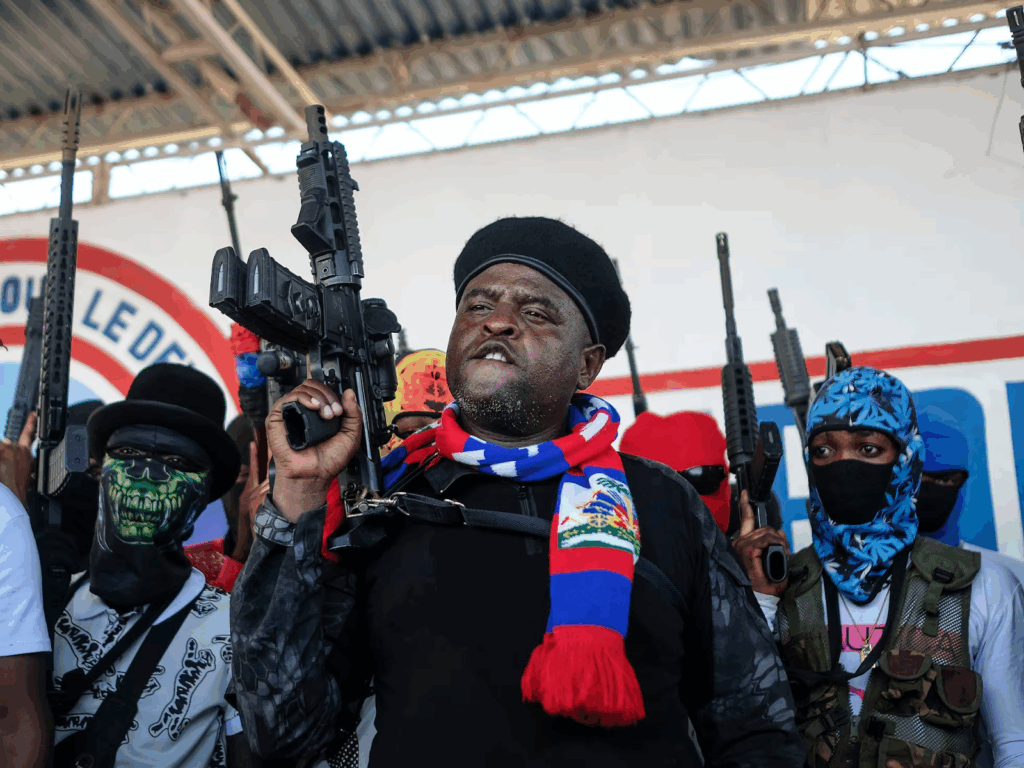
The context of this victory is stark. Haiti is facing a multidimensional crisis – a complete breakdown of democratic institutions, rampant insecurity, and widespread control by armed gangs. Nearly 6 million Haitians are facing famine, and over 60% live on less than a dollar a day.
Against this backdrop, Les Grenadiers have become a powerful symbol of hope and unity. Support for the team has surged, uniting Haitians across all walks of life, both on the streets and online.
Haiti has a deep-rooted football culture. Dumont describes a nation where games are played everywhere, constantly, on any available space. This passion is now channeled into unwavering support for the national team.
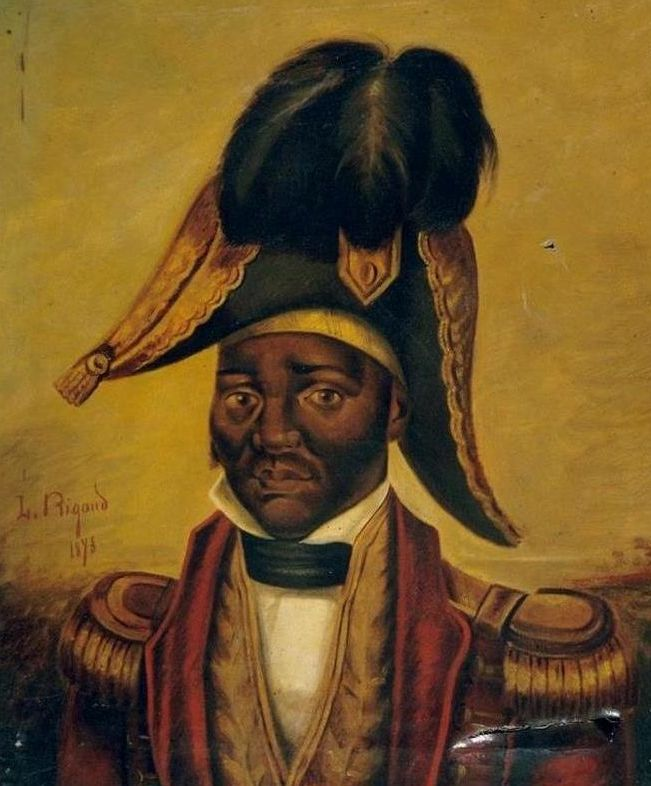
The November 18th victory over Nicaragua carries a particularly potent historical weight. It echoes the Battle of Vertières in 1803, the final clash in Haiti’s fight for independence from France – a victory that birthed the world’s first black republic.
This isn’t the first time Haitian football has aligned with this date of liberation. In 1979, Haiti also secured a championship title on November 18th, cementing the date as a symbol of national pride and resilience.
Dumont believes this qualification represents a potential “Haitian renaissance,” a unifying force drawing strength from the diverse backgrounds of its players – those from the diaspora, the rural interior, and the cities.
The team embodies the “spirit and consciousness of the Haitian people,” offering a beacon of hope in a time of profound darkness. Their success transcends sport; it’s a statement of national identity and determination.
The power of football to influence conflict is not unprecedented. In 2006, Didier Drogba, captain of the Ivorian national team, made a televised plea for peace during his nation’s civil war, leading to a ceasefire.

Haitian players are attempting a similar intervention, using the hashtag #ouvèpeyia – “open the country” – to express their desire to return home and celebrate with their supporters, and to call for an end to the violence.
However, Dumont fears their message may be lost. He draws a critical distinction between the Ivorian conflict and Haiti’s current situation. The Ivorian factions, while warring, were driven by ideology, unlike the Haitian gangs motivated solely by financial gain.
In Haiti, those perpetrating the violence are not driven by political ideals, but by greed. They are gangsters with no interest in peace, making the path to resolution far more treacherous.
Despite the immense challenges, the Haitian team’s journey continues to inspire. It’s a story of resilience, unity, and the enduring power of hope in the face of overwhelming adversity.