The news arrived just before Christmas: one thousand workers at Algoma Steel facing layoffs, a devastating blow to families and a community. This wasn’t an isolated incident, but a stark consequence of escalating trade tensions, and a pointed question arose – did the Prime Minister’s dismissive attitude towards direct communication with the U.S. President truly serve the interests of those losing their livelihoods?
Just weeks prior, during the G20 summit, the Prime Minister was asked a straightforward question: when had he last spoken with the U.S. President? The response was chillingly indifferent. “Who cares? It’s a detail,” he stated, brushing off the inquiry with a casual contempt that belied the gravity of the situation. He claimed he’d speak again “when it matters,” but for those now facing unemployment, it was already undeniably, painfully, *mattering*.
The numbers paint a grim picture. Over 41,000 manufacturing jobs have vanished, casualties of imposed tariffs. Algoma Steel’s layoffs represent a significant escalation, impacting over a third of its workforce. But the ripple effect extends far beyond Sault Ste. Marie. General Motors cut a shift in Oshawa, and a furniture manufacturer in Lindsay, Ontario, is relocating operations south of the border, leaving over 130 people jobless.
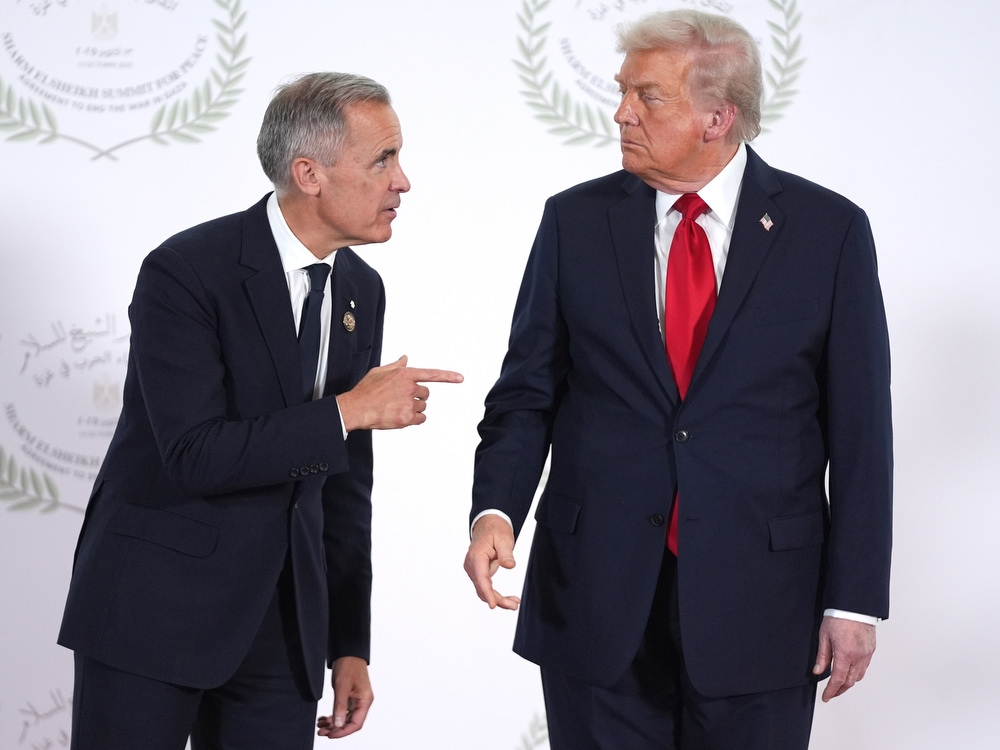
These aren’t abstract economic figures; they are real people, facing real hardship. Each layoff represents a family grappling with uncertainty, a community bracing for economic fallout. The narrative emerging from Ottawa – that avoiding communication is a viable strategy – rings hollow in the face of such widespread devastation. The reality is, communication was severed *by* the U.S., regardless of the initial cause.
An opportunity to challenge the Prime Minister on this approach presented itself, but was largely missed. While questions were raised regarding the impact of the tariffs, a direct confrontation about the lack of engagement with the U.S. President was avoided. The focus shifted towards political maneuvering, rather than a genuine attempt to address the crisis.
The situation reveals a troubling disconnect between political incentives and economic realities. The current strategy appears to prioritize appealing to a specific demographic – older, retired Canadians less vulnerable to job losses – over actively seeking solutions for those most affected. Maintaining a public disagreement with the U.S. President seems to serve a political purpose, fueling a narrative that resonates with a particular segment of the electorate.
An upcoming event in Washington – the World Cup draw – offers a potential turning point. A personal rapport exists between the Prime Minister and the U.S. President, a connection that could be leveraged to reopen dialogue. This isn’t about personal feelings; it’s about the urgent need to find a path forward, to mitigate further economic damage, and to offer hope to the thousands of families facing an uncertain future.
The time for political gamesmanship is over. What’s needed now is decisive leadership, a willingness to engage directly, and a genuine commitment to protecting the livelihoods of Canadian workers. Thousands are counting on it.