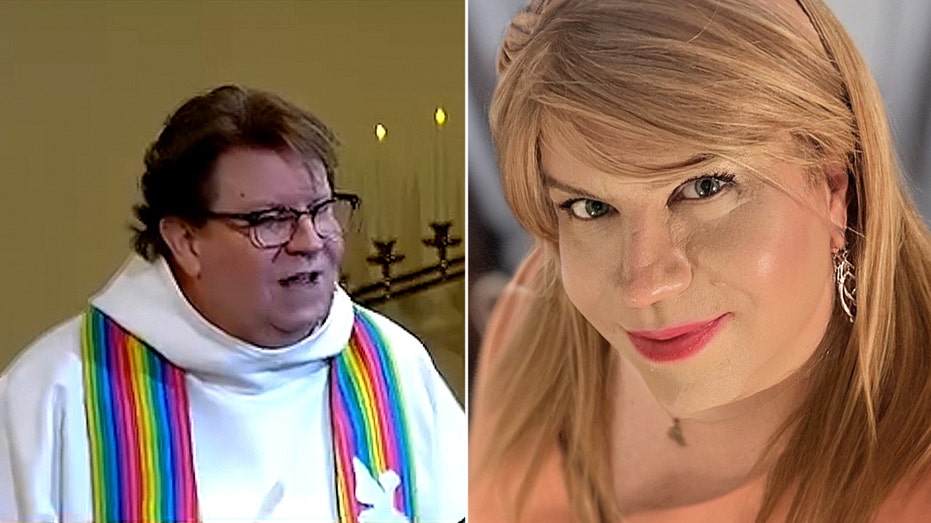
A quiet Sunday service in Rochester, New York, became a moment of profound revelation as Reverend Phillip Phaneuf shared a deeply personal journey with their congregation. Standing at the pulpit, adorned with a rainbow stole, the 51-year-old pastor announced a long-held truth: a transition to living authentically as a woman.
“I’m not becoming a woman,” Reverend Phaneuf explained, their voice resonating with newfound freedom. “I’m giving up pretending to be a man.” It wasn’t a sudden decision, but a culmination of a lifetime spent understanding a core identity that had long been concealed, a process of finally shedding a role that no longer fit.
Alongside this revelation came another: Reverend Phaneuf identifies as asexual, experiencing little to no sexual attraction. This orientation, they shared, has been a constant throughout their life, a quiet aspect of their being that now finds expression alongside their gender identity. The desire for romantic connection simply wasn’t present.
The name will soon be Phillippa, and the preferred pronouns are she/her, marking a tangible step forward in this transformative journey. Hormone replacement therapy began three months ago, and visible changes – in appearance, voice, and hair – are anticipated as the process unfolds.
Remarkably, this transition is occurring with the full support of the bishop, the church, and its theological framework. Consultation preceded the announcement, ensuring that pastoral duties would continue uninterrupted, and that the core of their ministry – a deep love for the congregation – would remain steadfast.
However, not all reactions have been celebratory. Reverend Phillippa shared the difficult news that her parents do not support her decision, relaying their message with a poignant vulnerability that underscored the personal cost of living authentically. Their request to share this disapproval was honored, a testament to honesty even in the face of pain.
This announcement arrives at a pivotal moment for the United Methodist Church, which recently reversed decades-old rules condemning LGBTQ+ identities. The church now affirms human sexuality as a sacred gift, extending that affirmation to all individuals regardless of orientation or gender identity, embracing a more inclusive and compassionate stance.
The commitment to “befriending and caring for all persons,” including those within the LGBTQ+ community, signals a significant shift within the denomination. Reverend Phillippa’s journey, therefore, isn’t just a personal one, but a reflection of a larger movement towards acceptance and understanding within the church itself.