A confidential report prepared for Iran's presidency is raising a consequential question for Washington and its allies: Do extraordinary levels of public anger and support for systemic change justify reassessing whether the Islamic Republic may be more vulnerable to regime change than previously believed?
The classified document, titled "What Iran Wants," reportedly found that only 9% of respondents supported maintaining the status quo, with 53% calling for fundamental or structural reforms and more than 19% favoring changing the political system outright. Taken together, nearly three-quarters of those surveyed reportedly supported either deep structural reform or replacement of the existing system.
The findings could strengthen arguments that Iran's political crisis has moved beyond dissatisfaction with individual leaders or policies. According to the report, a significant portion of the population is experiencing economic distress, with over 81% struggling to put food on the table and a majority expressing hopelessness.
Mia Maleki, a senior fellow at the Foundation for Defense of Democracies, said the report should prompt a fresh assessment of the potential for political upheaval inside Iran. Maleki cautioned that polling conducted under an authoritarian government cannot be treated as precise because respondents may fear the consequences of expressing opposition.
The report also points to a crisis of institutional confidence, with roughly 60% reportedly distrusting major government institutions. Respondents blamed domestic governance more frequently than international pressure, citing government inefficiency as the cause of Iran's economic problems.
However, the report's recommendations focused on managing dissatisfaction rather than addressing demands for systemic change. The document urged state institutions to better explain the impact of sanctions, moderate the rhetoric used by officials, and present a more inclusive image.
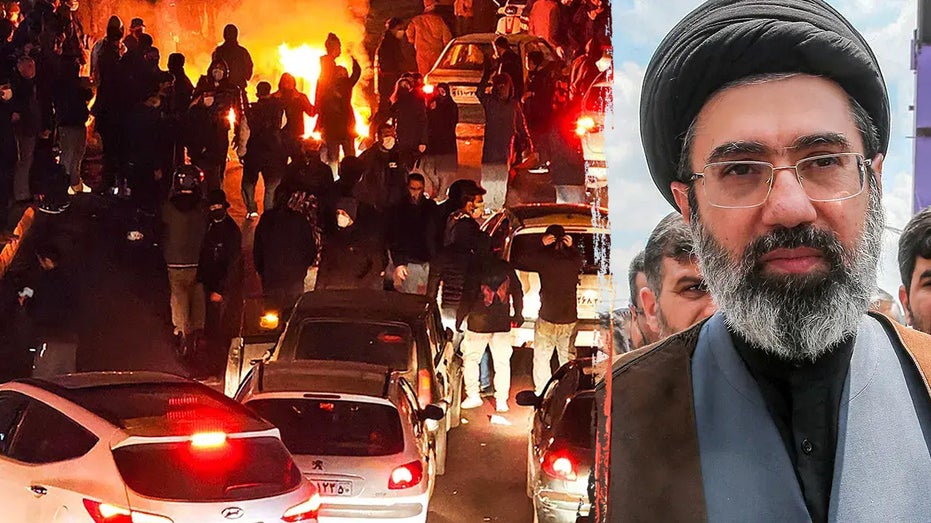
Maleki argued that the findings were consistent with the expanding scale of unrest, citing demonstrations that spread from more than 80 cities in 2017 to more than 200 cities across all 31 provinces this year. He noted that further unrest was inevitable and that the question is not if, but when, and whether anyone is prepared to stand with the Iranian people when it does.